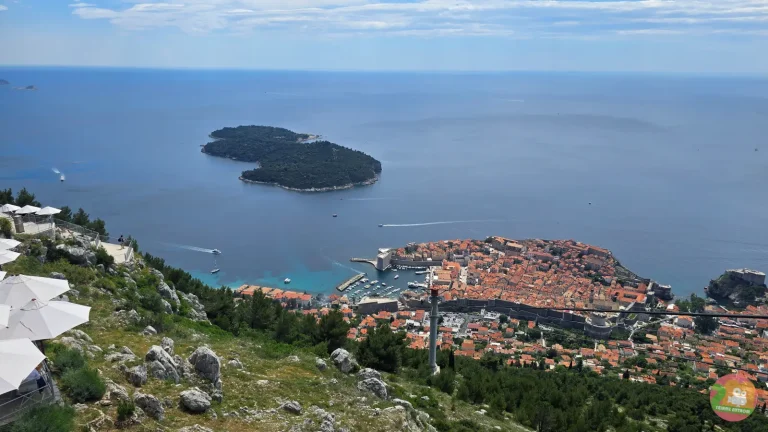
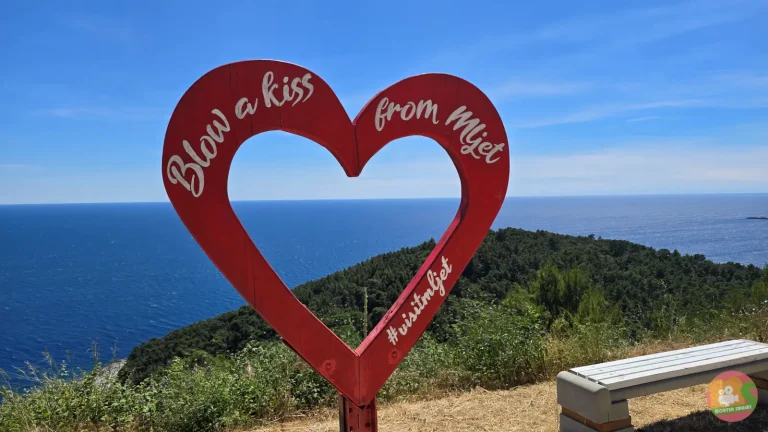
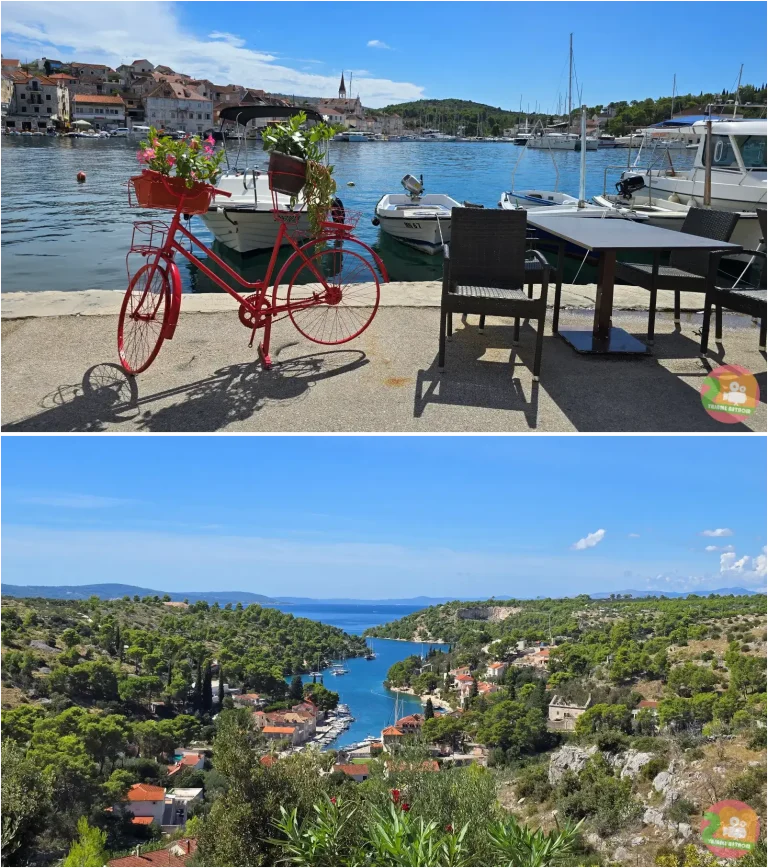
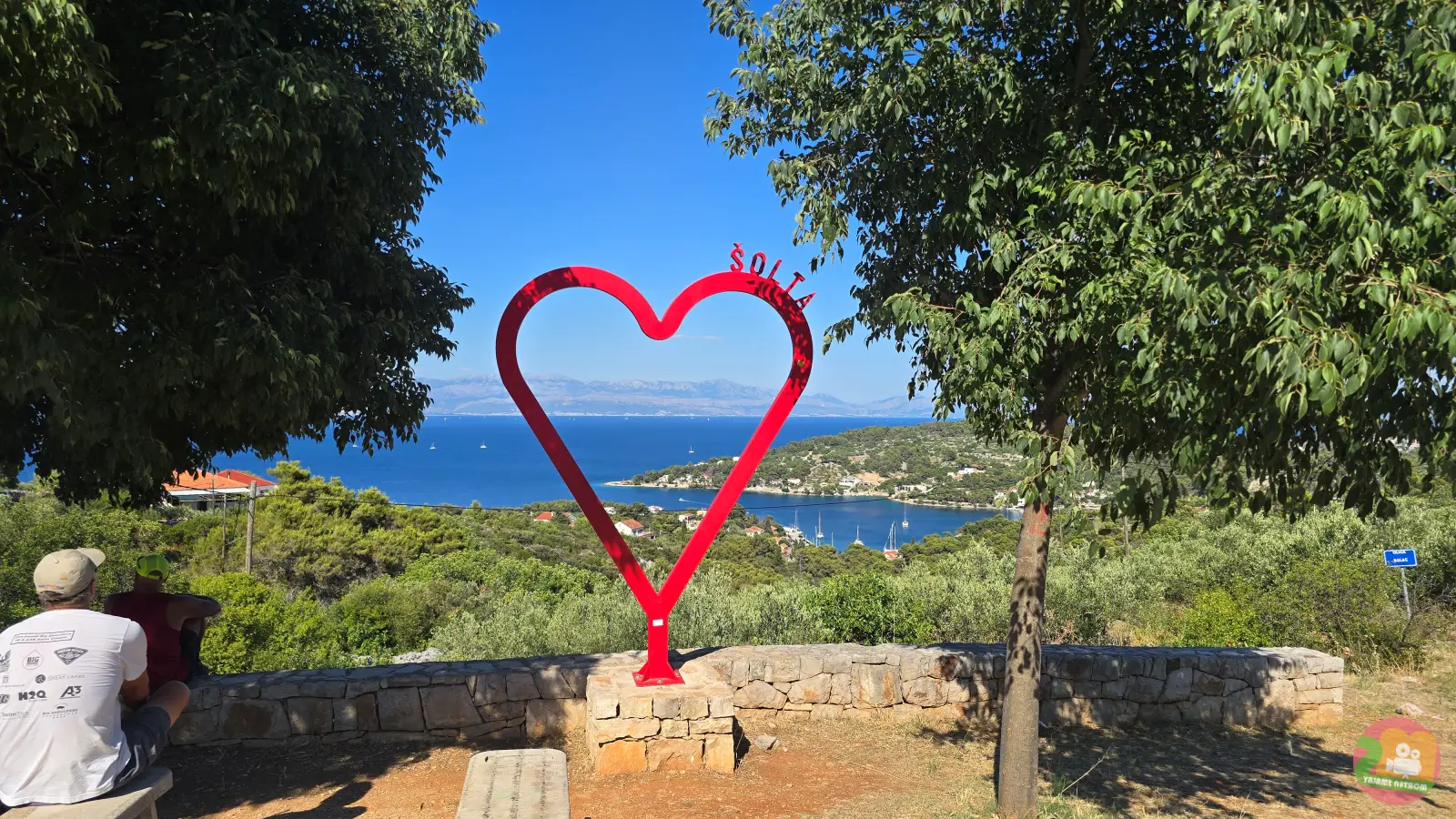
Šolta sits 16 km off Split, close enough to see from the Riva on a clear day, and yet it is still the island most people forget. Ask a tourist about the Dalmatian islands, and you hear Hvar, Brač and Vis. Hardly anyone mentions Šolta.
I have been coming here for years, and I have written about the island once before. This time we did something different: we took the camera and drove through most of the villages on the island, from the ferry port in Rogač to the sunset harbour in Maslinica. We also visited Tvrdic Honey.
This text is not a transcript of the video. Think of it as the notes you take home: where the villages are, what each one is good for, and what to know before you get on the ferry.
Watch the video if you prefer visuals to detailed text. Either way, I am sure Šolta will surprise you.
What you should know about Šolta
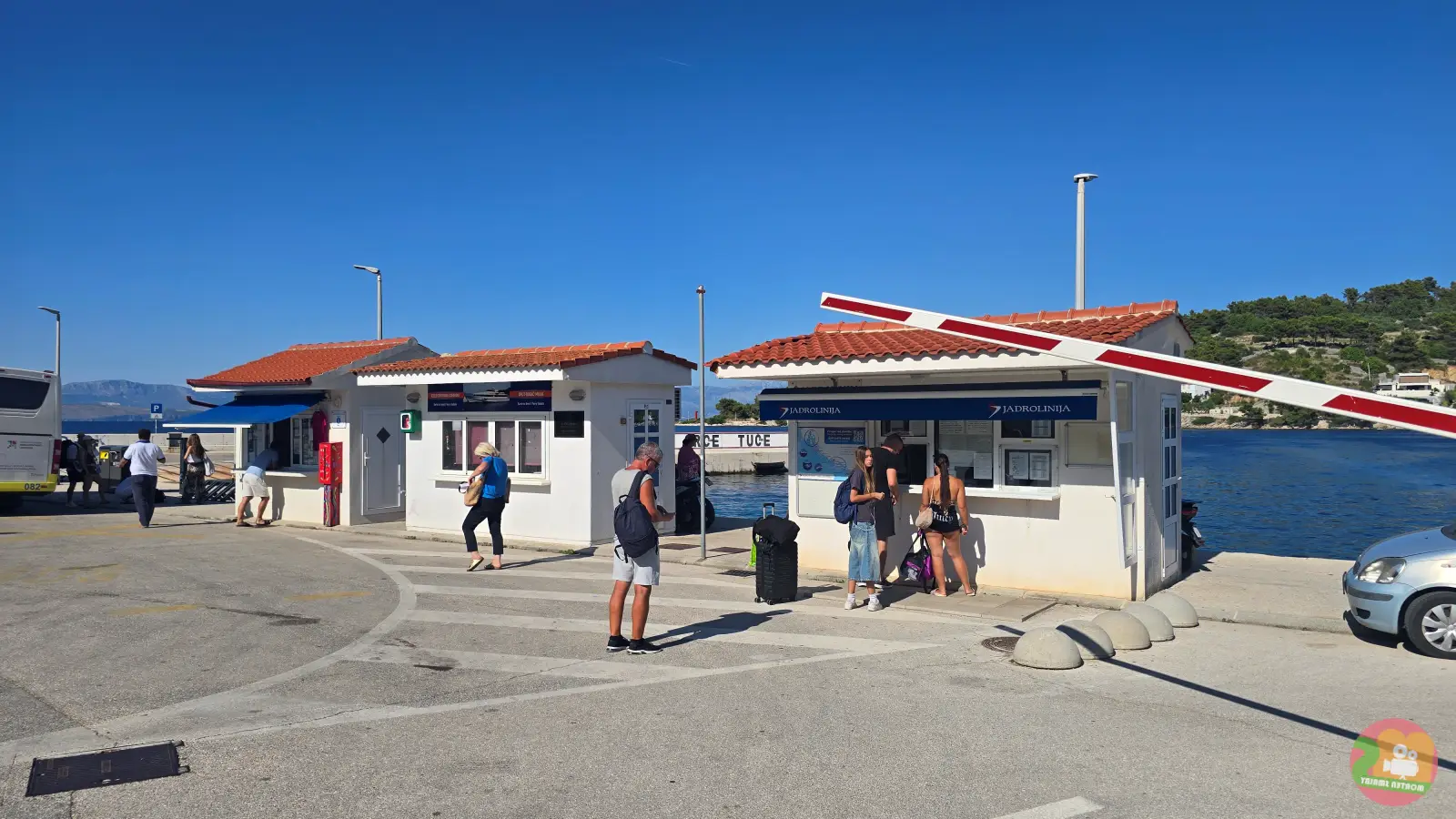
- Getting there: Šolta is connected to Split all year round. Between Split and Rogač there is a car ferry operated by Jadrolinija (about 50 minutes) and a fast ferry operated by Krilo Shipping (about 25 minutes). A one-way foot passenger ticket costs around €6. Check current fares and timetables, and book tickets, on ksc.hr.
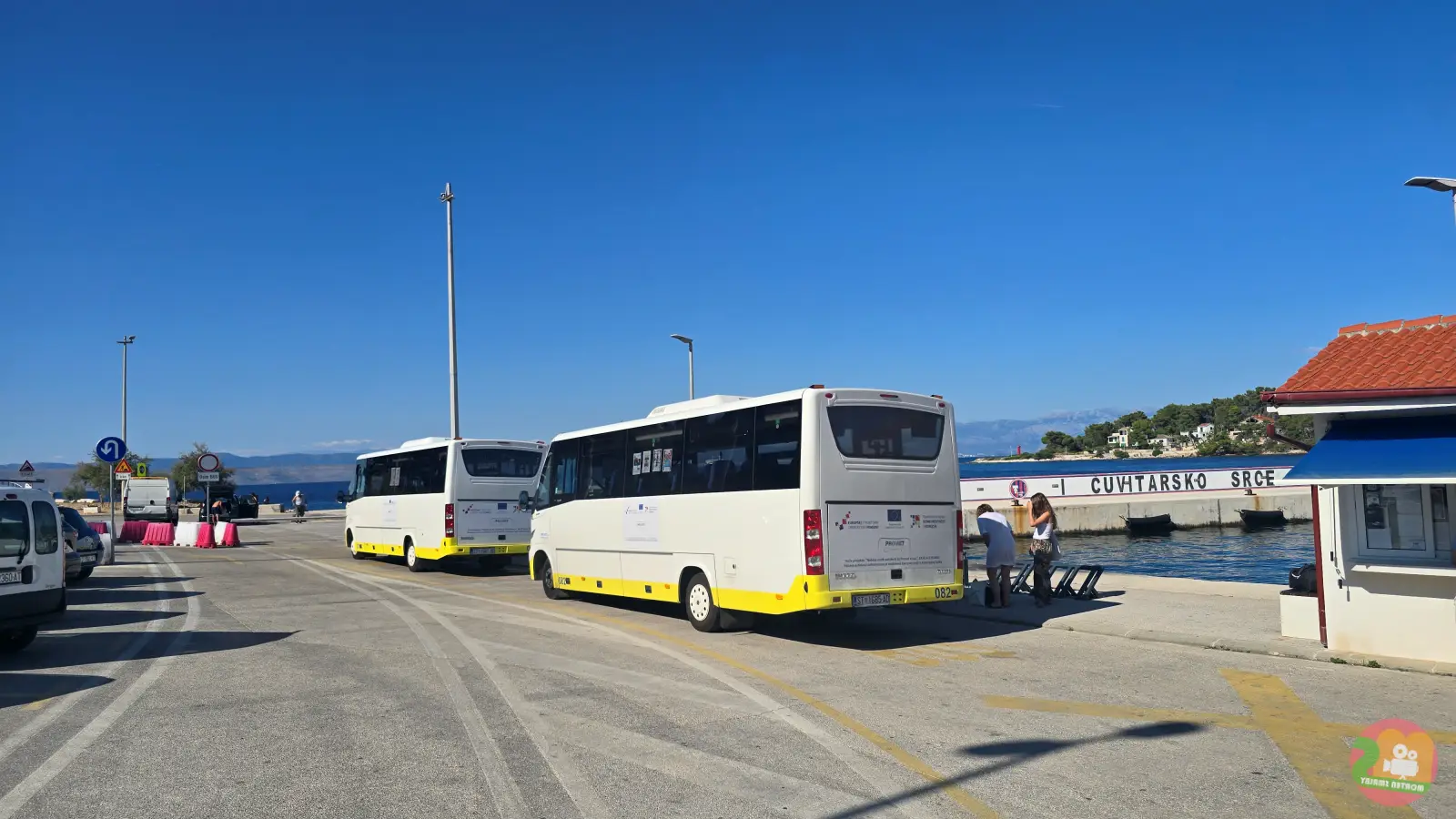
- Getting around: Buses work well on the island. They wait at the pier when the ferry arrives and leave the villages in line with the ferry schedule, so a day trip from Split without a car is perfectly doable. Note: taxi options are expensive, and there are no Uber or Bolt on the Island.
- Size: Šolta is 60 km², with a maximum length of 19 km and a maximum width of around 4 km. The population is around 2,000, spread across 8 settlements.
- Visitors: Šolta welcomes about 17,000 tourists a year, who spend around 125,000 nights on the island. That means the average visitor stays about a week.
- Prices: Šolta is cheaper than Brač and Hvar. The two main supermarkets are in Grohote; elsewhere you get small shops and kiosks. Prices are a bit higher than on the mainland, but not dramatically.
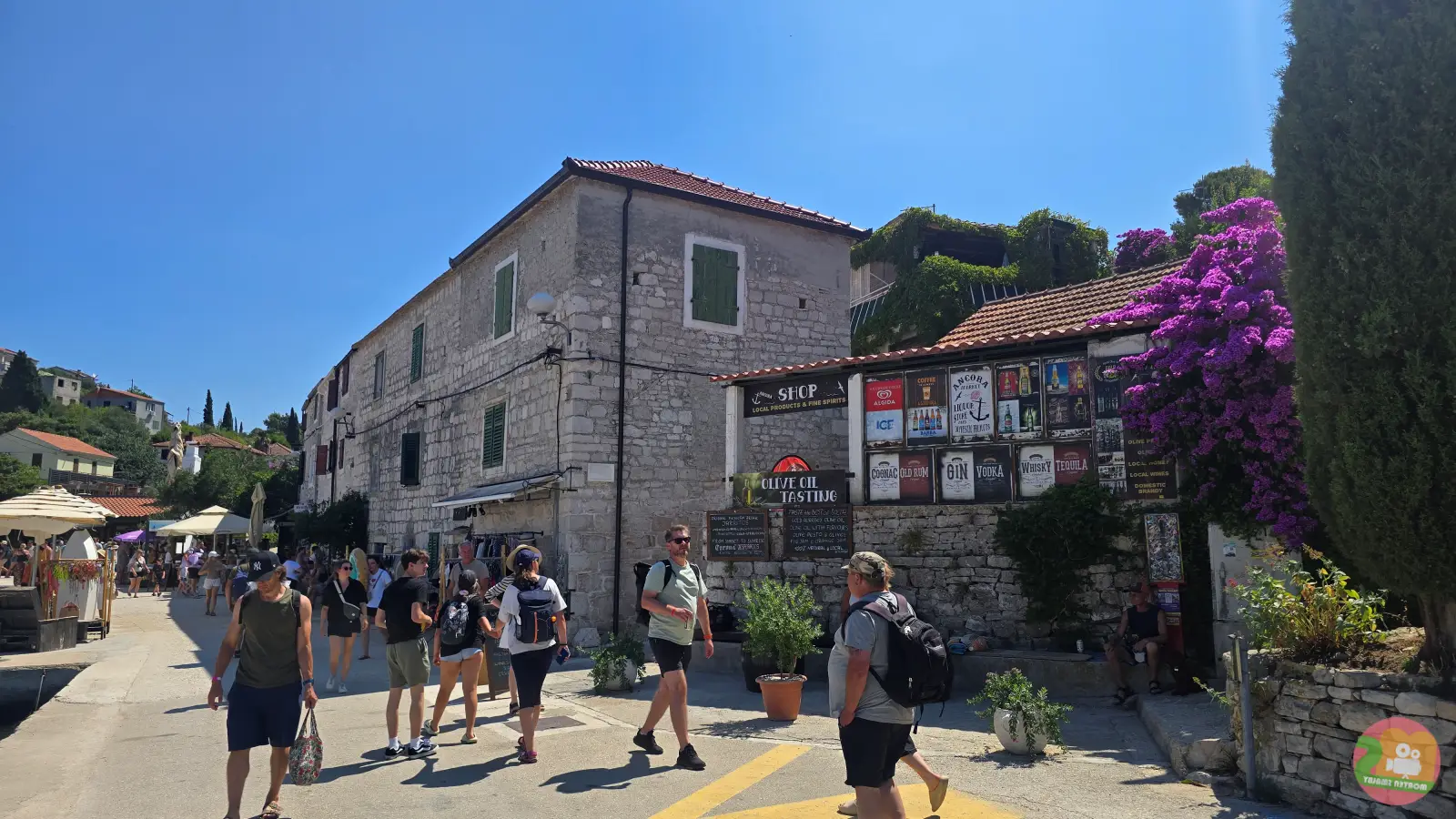
- Food: Stomorska, Maslinica, Rogač and Nečujam all have restaurants serving local food on their promenades. We did not eat out on this trip, so I will not pretend to review restaurants, but in Maslinica my old tip still stands: ask the locals for Šišmiš (the Bat restaurant). The island is known for olive oil, wine and honey.
- Off season: Many restaurants close outside summer. Check before you go hungry.
The villages of Šolta
On our recent filming trip, we visited 5 of the 8 villages. Here is my take on them.
Maslinica
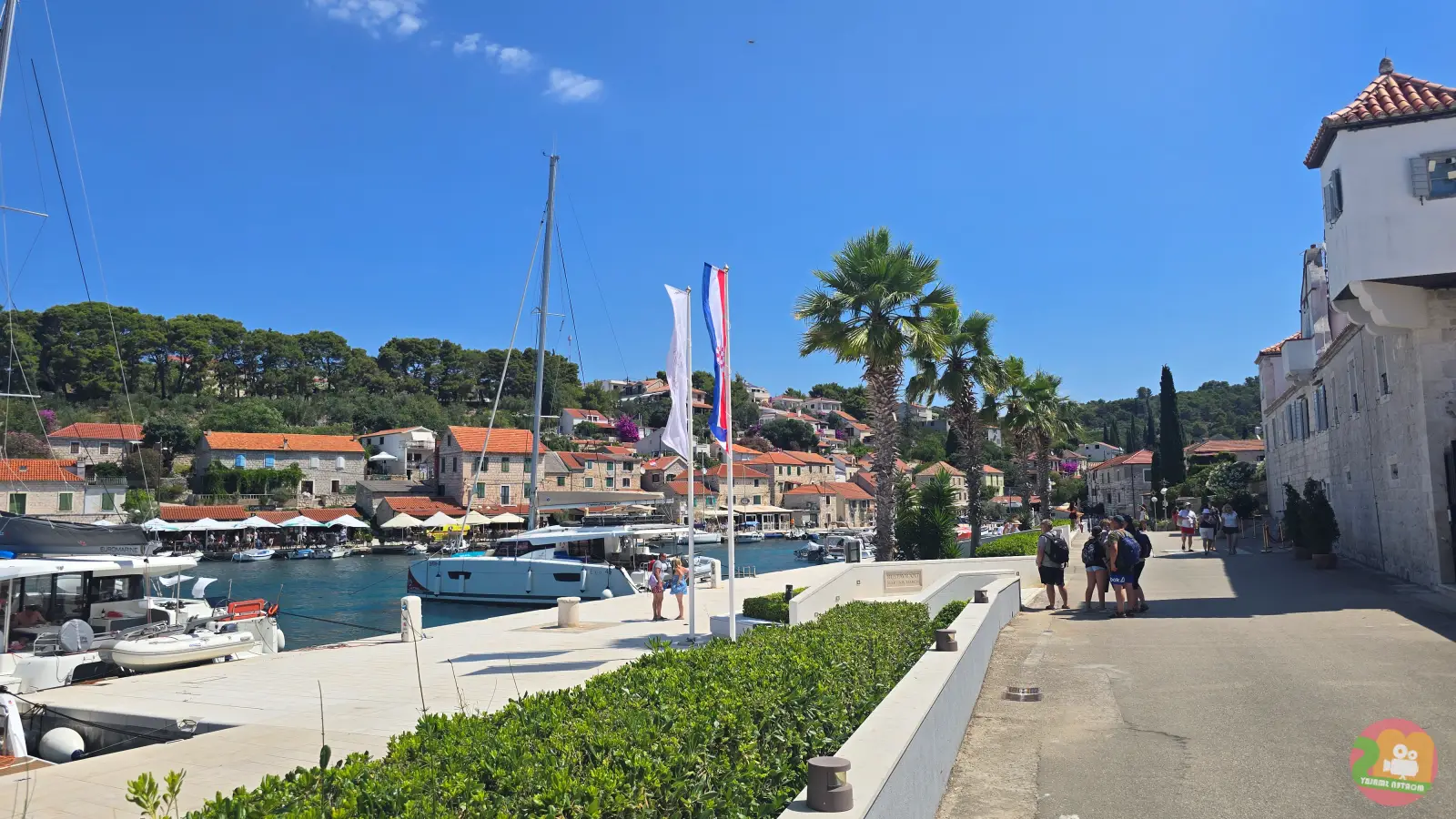
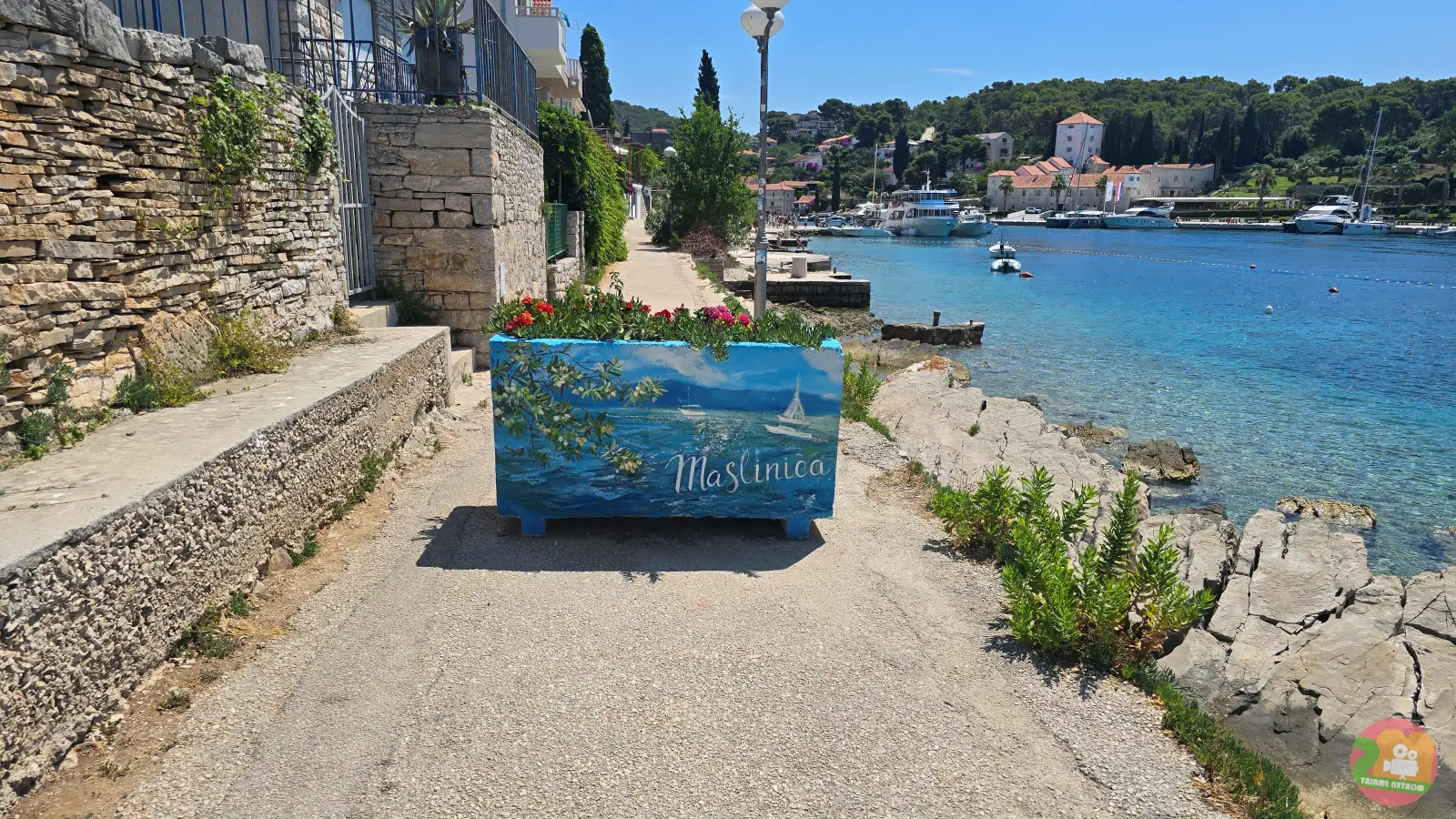
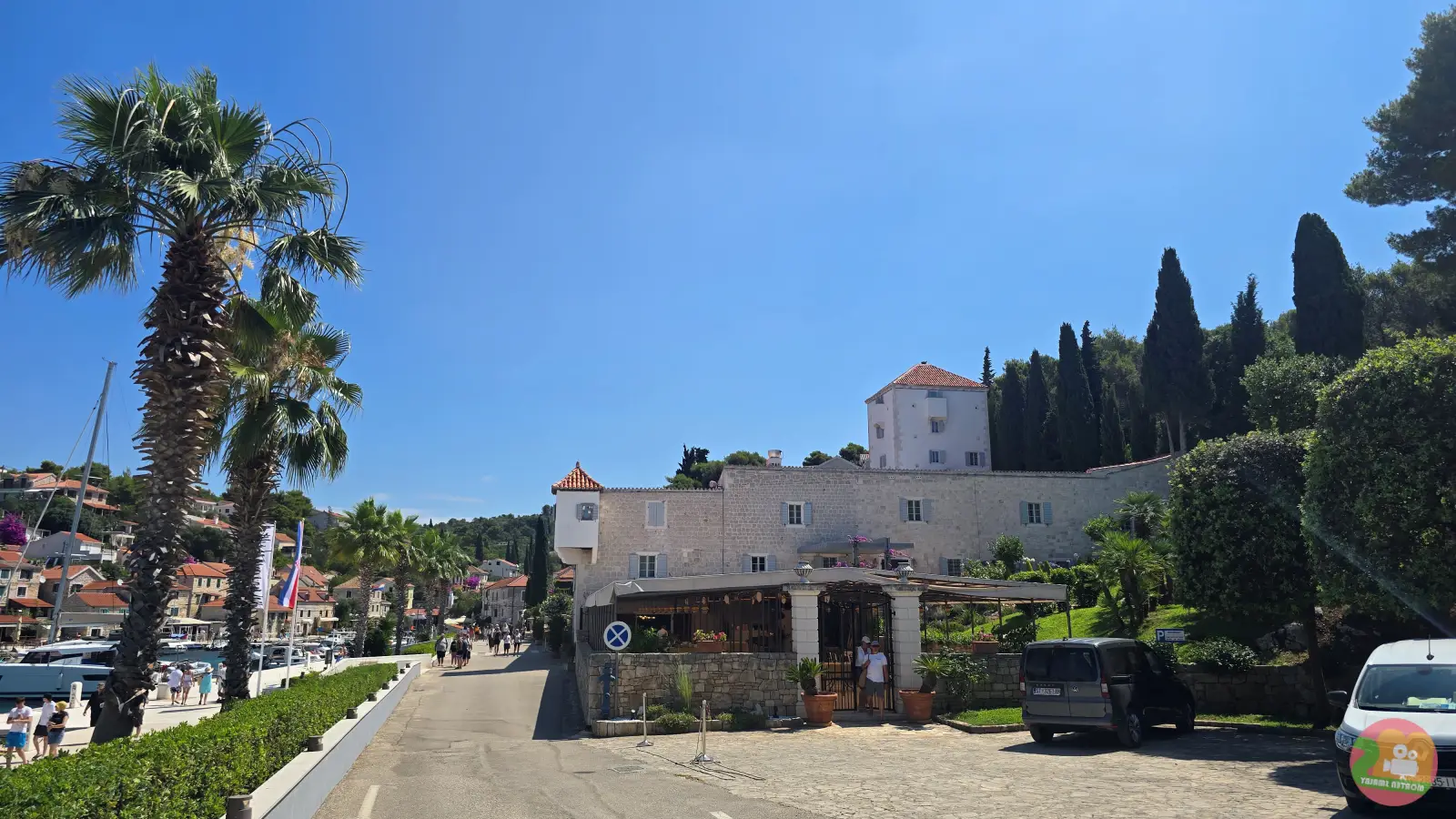
Maslinica, on the west coast, is still my favourite spot on the island: a small promenade, an ACI marina, a scattering of islets in front, and the restored Martinis Marchi castle, now a luxury hotel. Facing west, it also has the best sunsets on Šolta.
You can visit Maslinica on a day trip from Trogir or Split. Tours are often combined with a visit to the Blue Lagoon by Drvenik Veli, but other combinations are available too.
My family and I spent a holiday in Maslinica years ago, which we really enjoyed. Based on my latest trip, Maslinica would still be my first pick if I were to go again.
Maslinica has some great pebble beaches, and they are not too crowded.
Rogač
Rogač is where you arrive, and most visitors only get a glimpse of the village when arriving or leaving: ferry, catamaran, petrol station and a few cafes for watching the boat come in. It has a pleasant waterfront, but nobody falls in love with Rogač at first sight.
I think that is a pity. When we visited, I did not have time to walk around Rogač, but I managed to get drone footage of the whole bay, and based on that, Rogač is much nicer than people think. From the footage I spotted three nice beaches. Banje Beach, in the bay east of the port, looks especially worth a visit.
Grohote
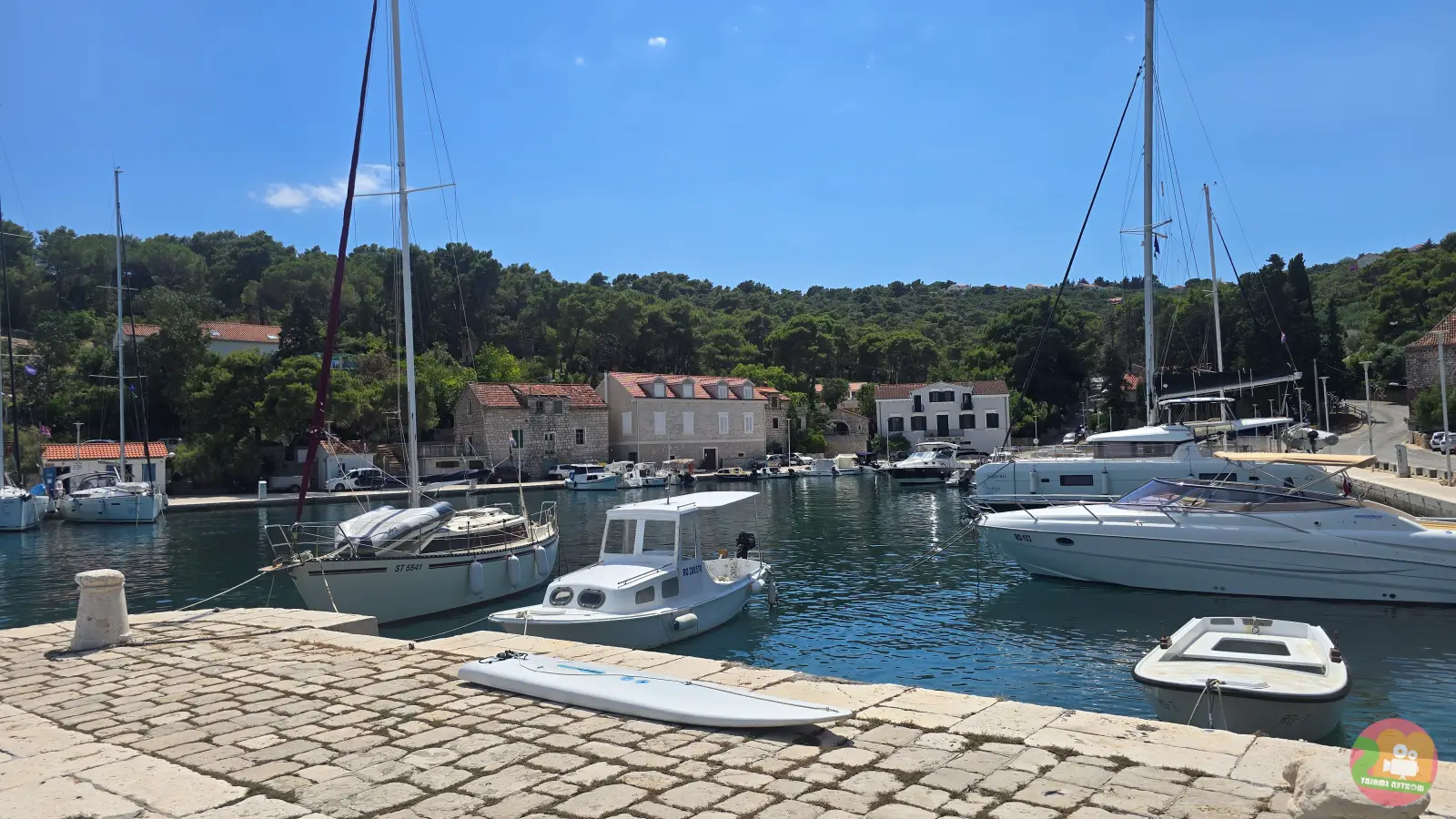
Grohote is the capital, about 2 km uphill from Rogač. This is where the island actually lives: the school, the post office, the pharmacy, the police, the health centre, a small green market and the two biggest supermarkets. It is also one of the oldest settlements, with remains from Roman times near the parish church.
If you need groceries or a chemist, you come here. If you want a beach, you leave.
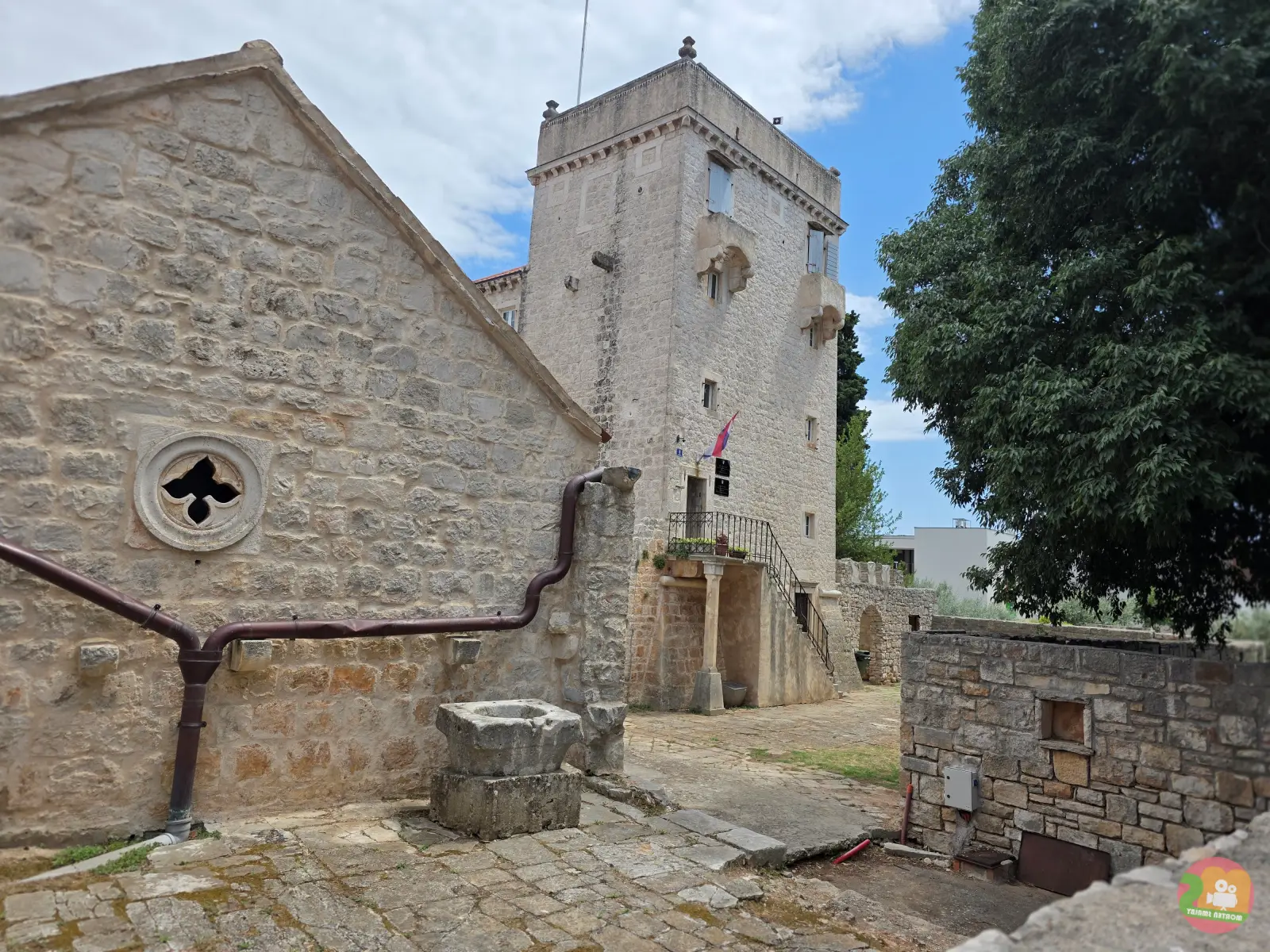
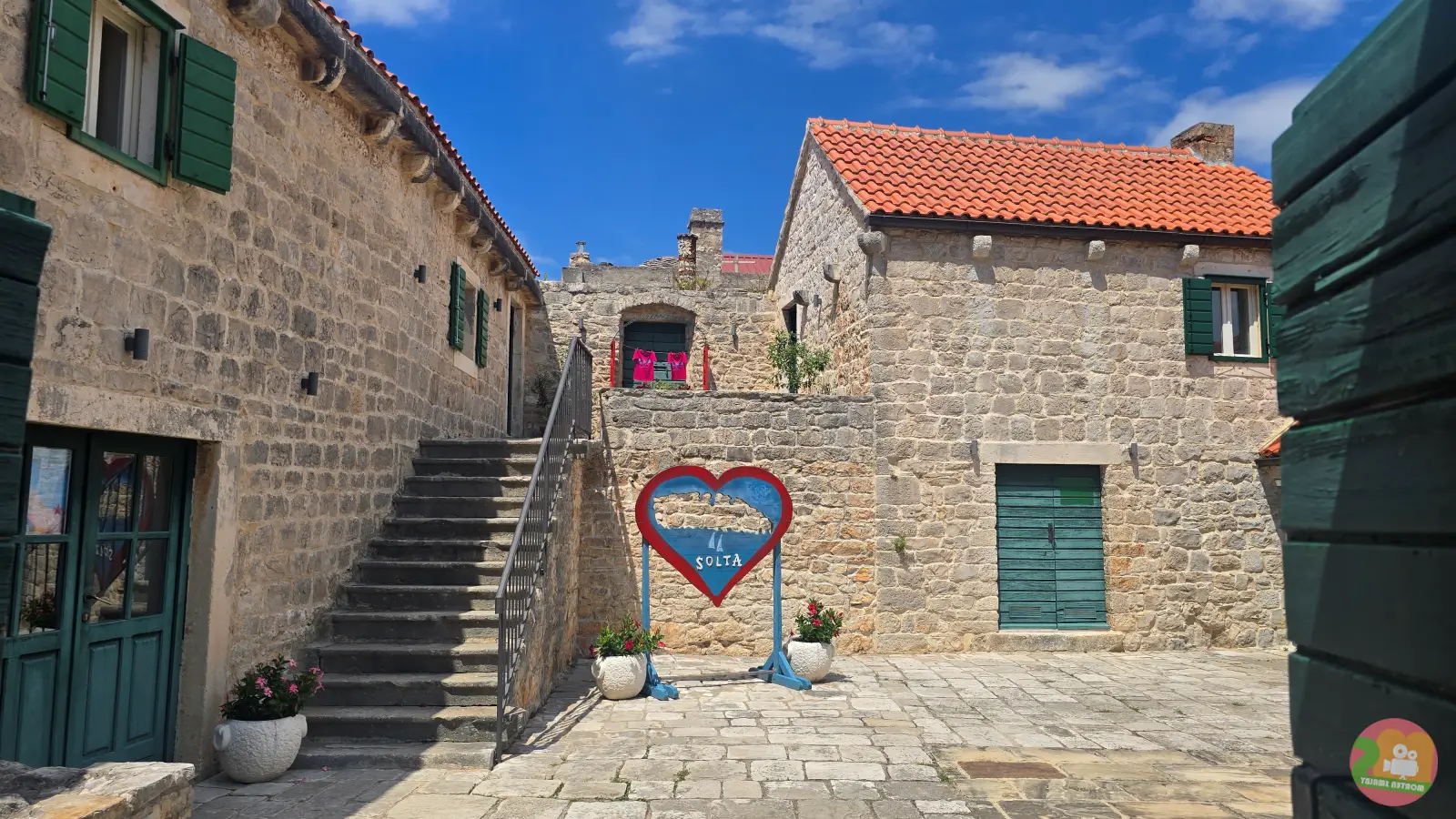
We walked through Grohote, and it is quite a nice little village. Almost the whole town is made up of old stone houses. The main sights are Kaštel Slavić, which today houses the mayor’s office, and the old fraternity house, home to a gallery and the tourist board. Nobody said island politics could not come with thick stone walls.
Nečujam
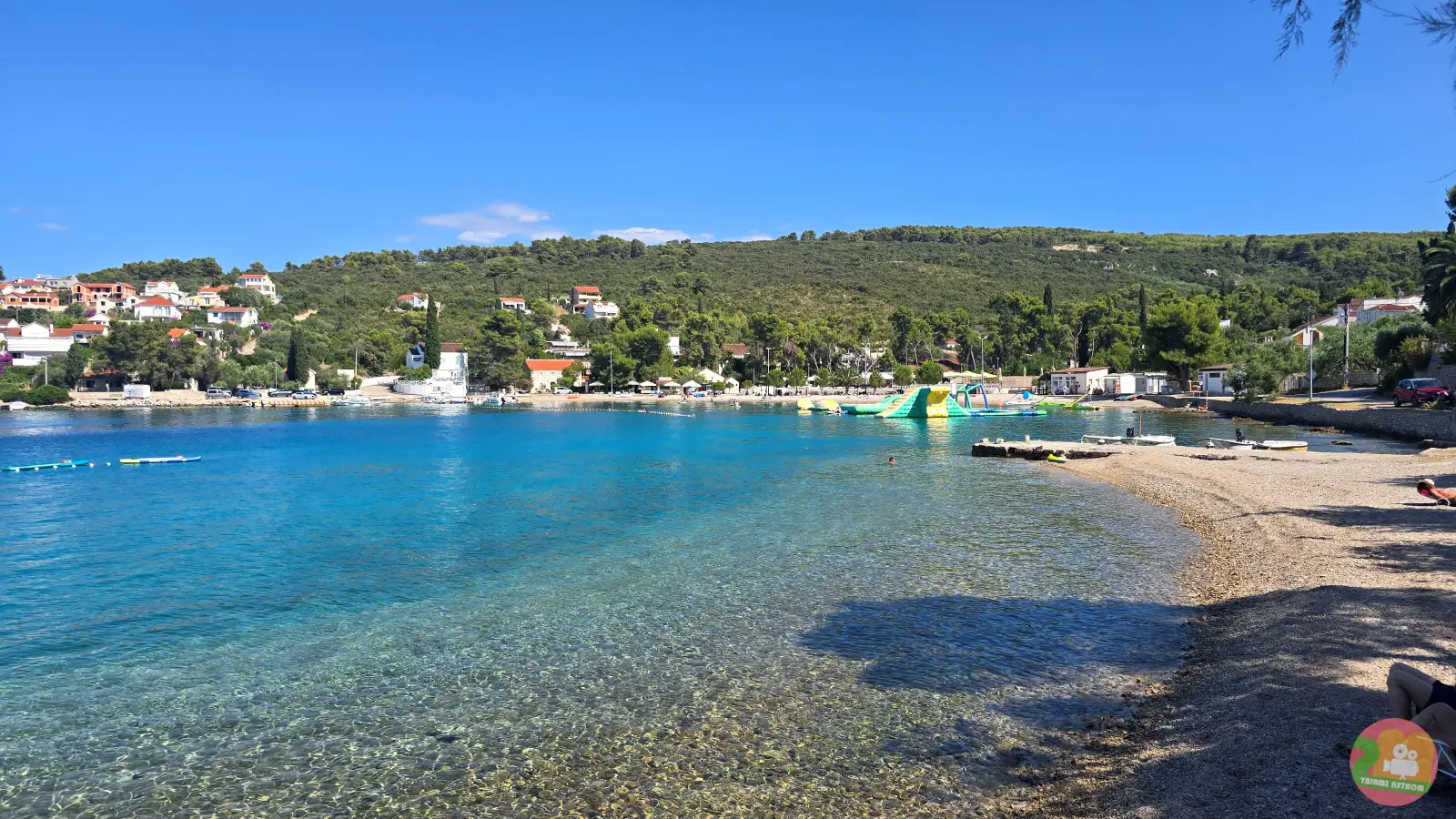
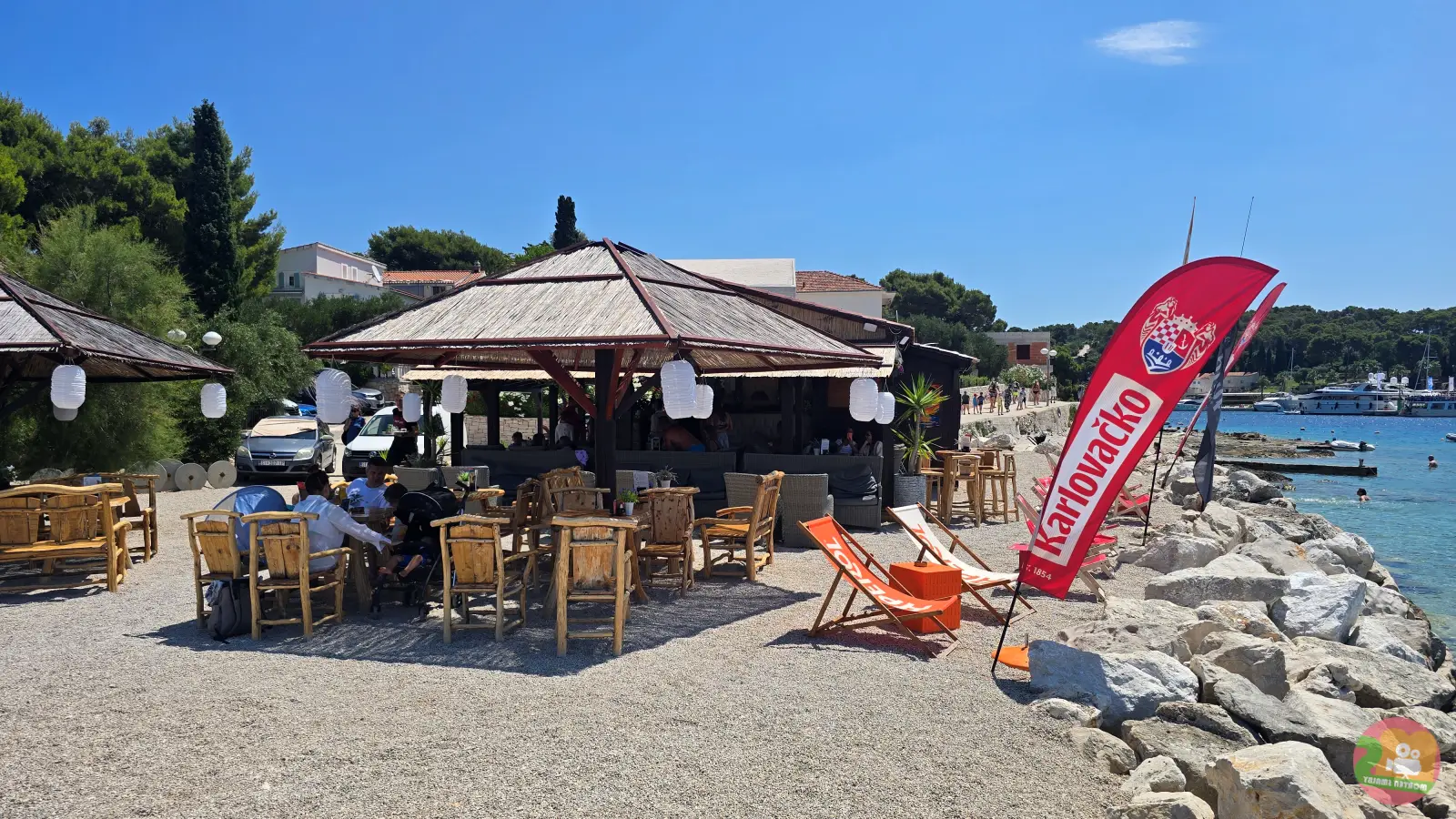
Nečujam sits at the end of the island’s largest bay, facing Split. The bay is shaped like a leaf, and the centre of Nečujam sits at the head of one of its arms. There are several beaches around the bay, including one of Šolta’s biggest, as well as a large apartment complex. In the evening, the bay fills with anchored boats.
During our visit, I was surprised by the amount of new construction around the bay, especially the number of holiday houses with pools. Apparently the modern Dalmatian dream is a private pool 50 metres from the sea.
Considering we visited at the beginning of July, Nečujam was by no means crowded. I also did not see many restaurants or bars at the head of the bay, so I am not sure how much choice there is when it comes to eating out.
Stomorska
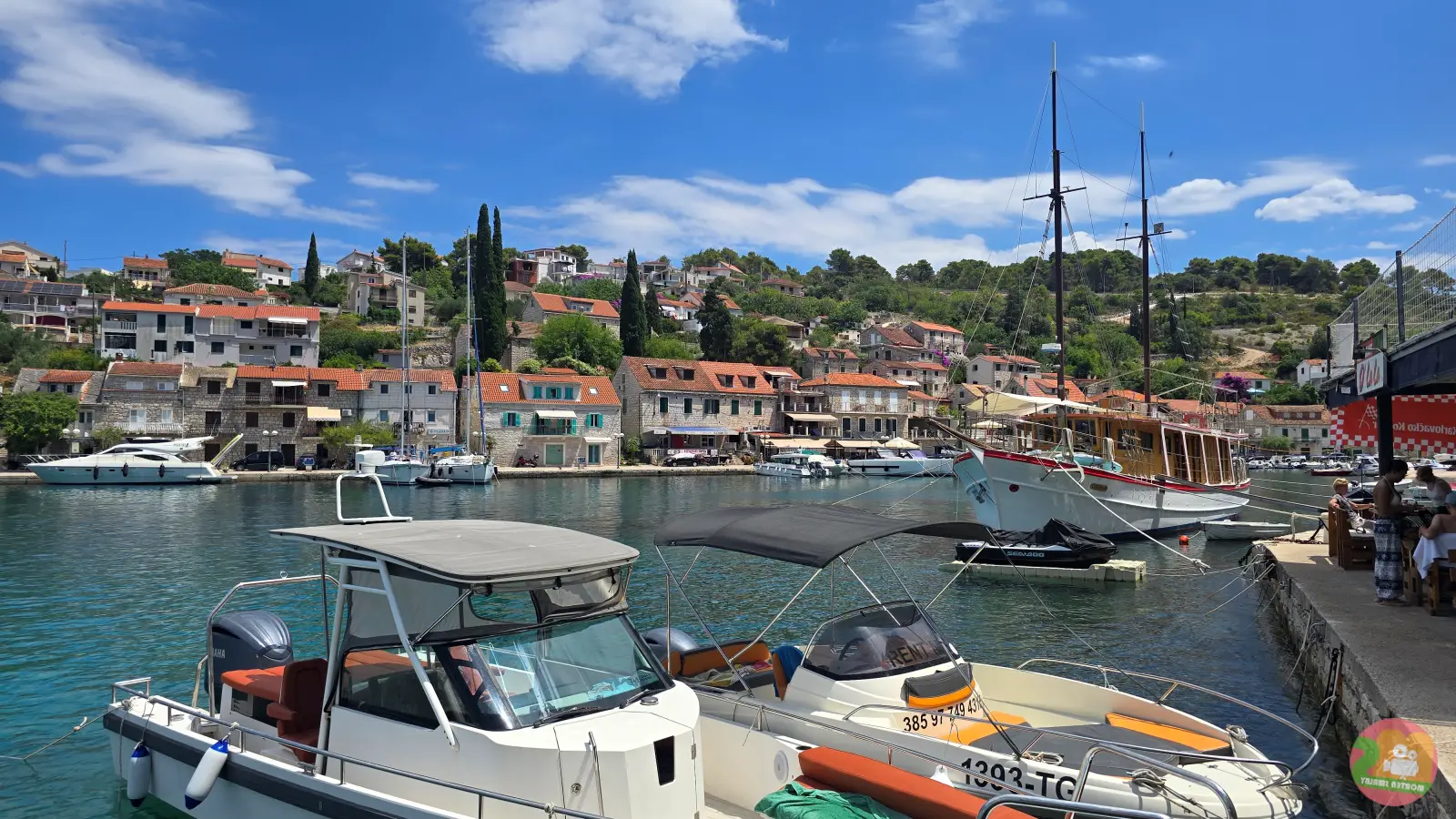
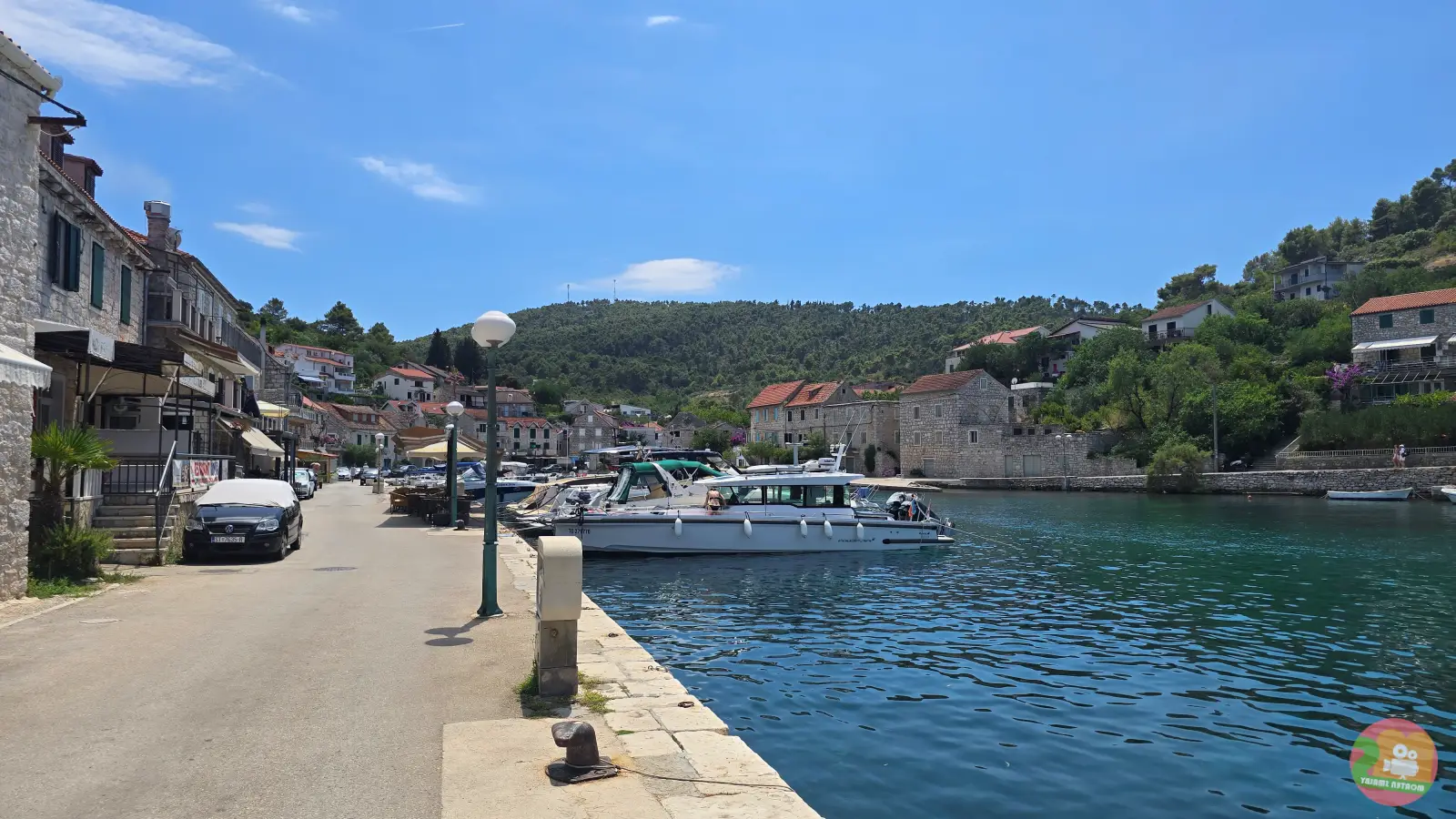
Stomorska is the oldest harbour on the island, on the north-east coast. The houses climb the hillside above a small harbour, and the promenade below is where everything happens: restaurants, cafes, a few shops and, in summer, a line of sailing boats.
I was surprised by how few people there were in Stomorska. We saw six to eight restaurants, all open, so I guess there are people; we just did not see them. Either they were hiding from the July sun, or they had all gone to Hvar for the day. If it were not for Maslinica, I would pick Stomorska as my base.
Gornje Selo, Srednje Selo and Donje Selo
Upper, Middle and Lower Village. Croatian place names are not always poetic. These three inland villages were once the most important places on the island, back when living away from the coast meant living away from pirates. Today they are quiet clusters of old stone houses, dry stone walls and olive groves.
This is the Šolta most visitors never see, and in my opinion the part that explains the island best.
Apart from driving through, we did not have time to explore these three inland villages. We had planned to visit the Marinac Winery in Srednje Selo, but it was closed on the day of our visit. When they heard they had missed out on a visit from us, they sent me a bottle of Dobričić wine to try. Croatian hospitality in a nutshell.
Other things to see and do on Šolta
Tvrdic Honey
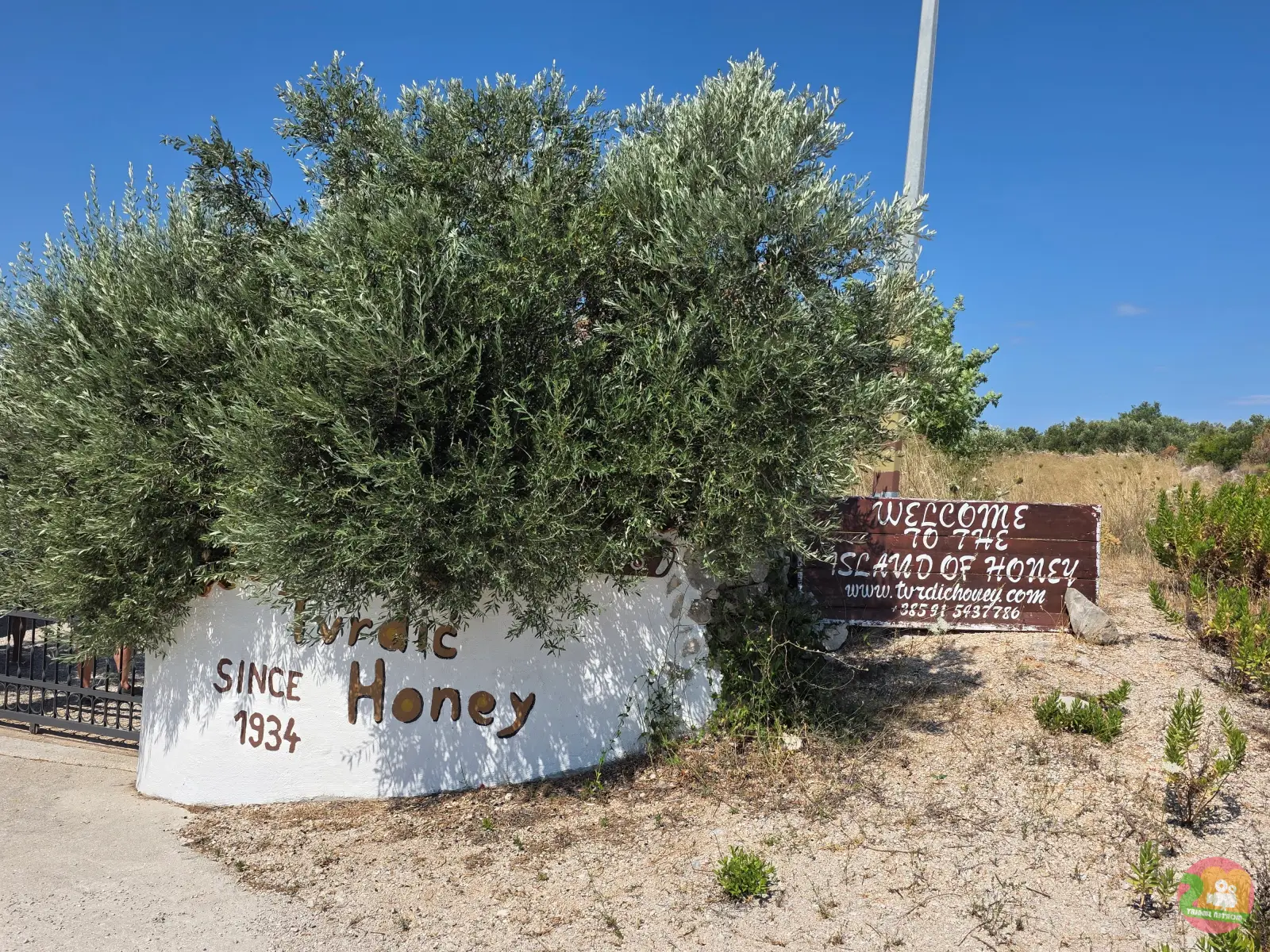
Before our visit, somebody told me, “You need to visit the honey place on Šolta.” I had no idea what they were talking about, but I later figured out they meant Tvrdic Honey, so of course we went.
We were greeted by the owner, Goran. He has been working with bees for 30 years, and he really knows everything about them. In the garden he has set up a classroom where visitors get lectures about bees, and he shows you beehives from the early 20th century alongside the ones used today.
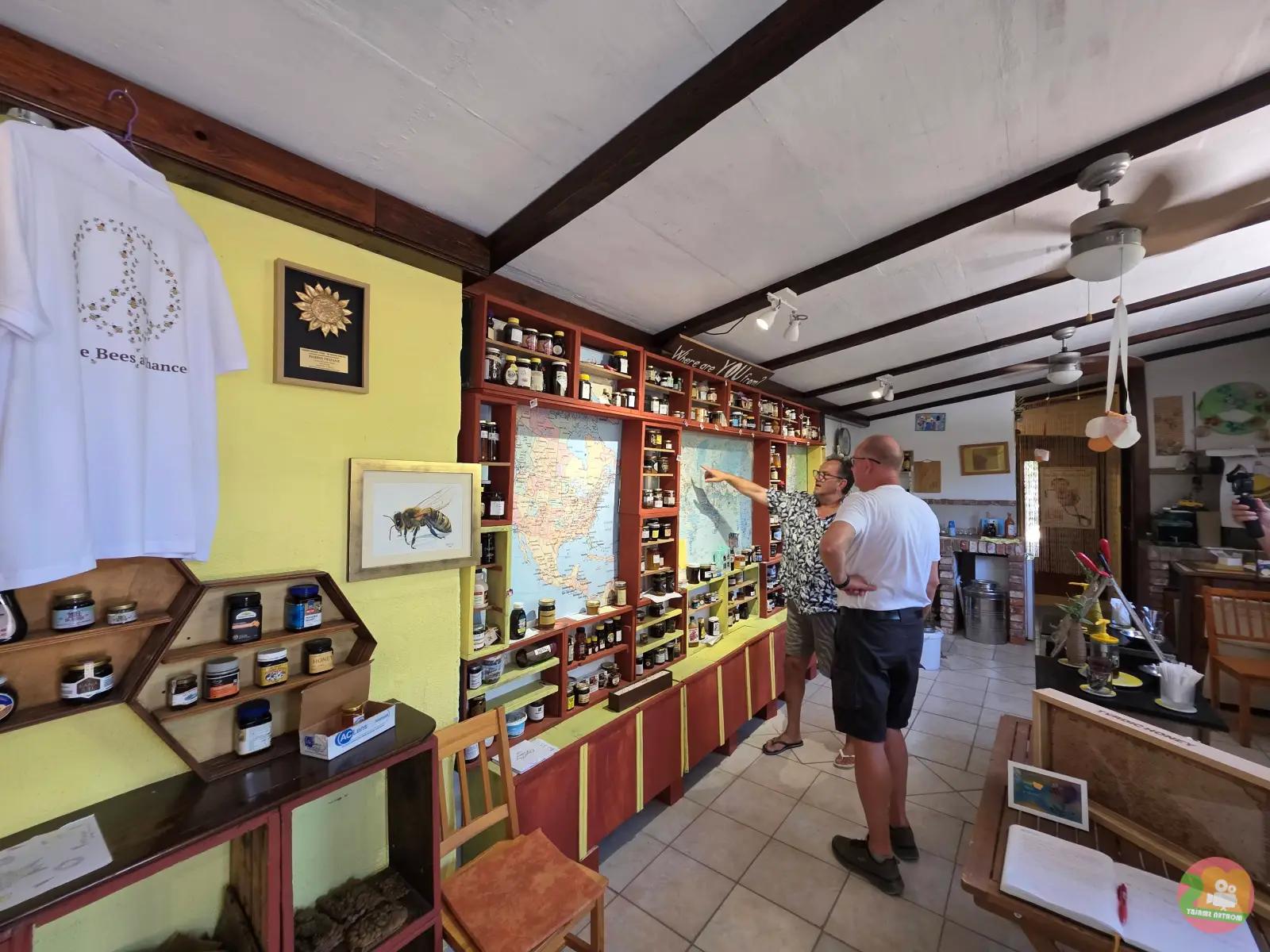
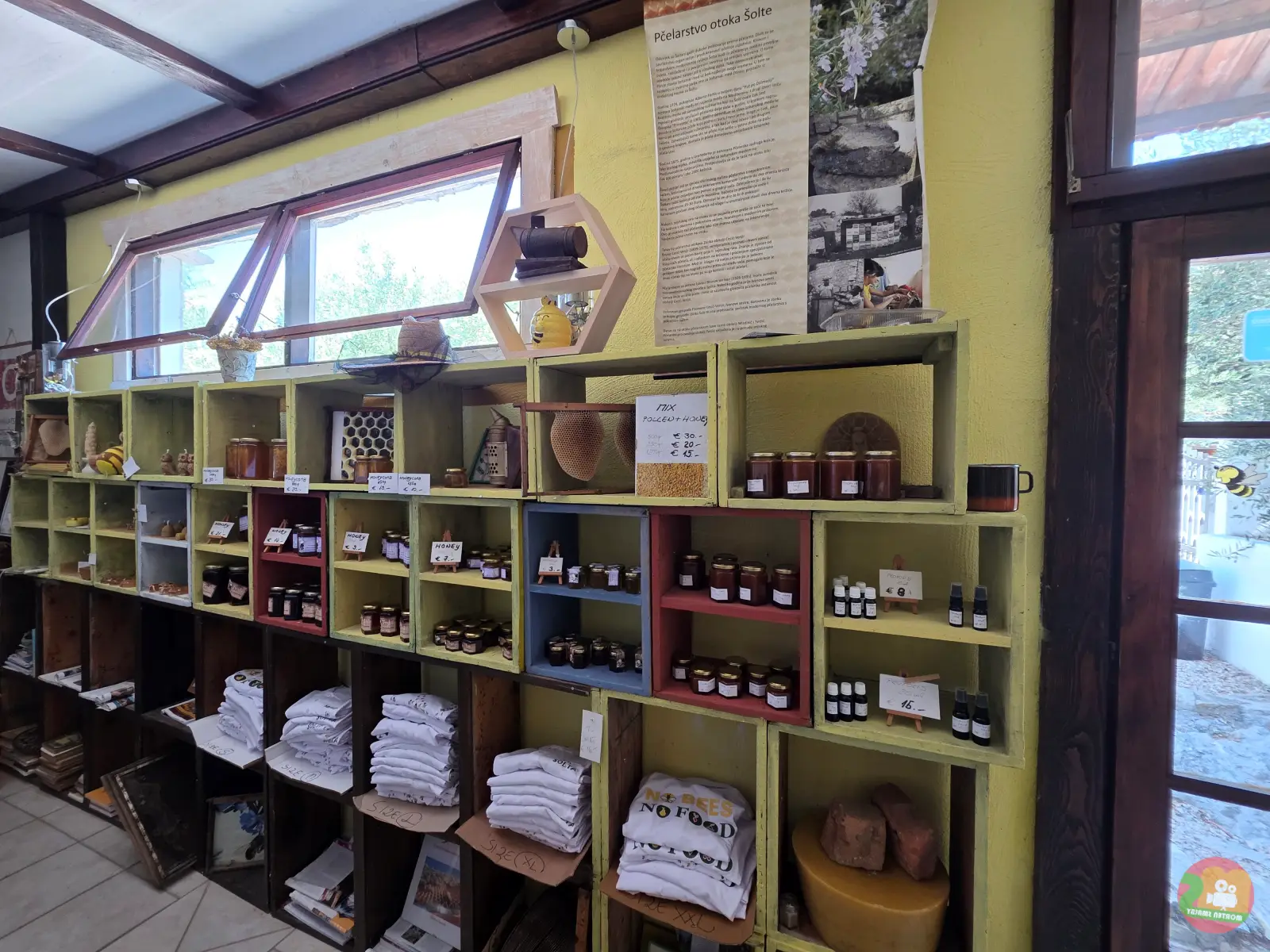
Inside the building is what Goran says is the world’s largest honey collection: 800 jars from all over the world. I asked him how he got hold of all these jars, and interestingly, people actually send them to him. You can also learn how to roll a candle from beeswax and taste the honey made by Goran’s bees. The lavender honey was especially good.
I definitely recommend visiting Tvrdic Honey. It is super interesting for adults as well as kids.
Wineries
As I mentioned, we did not manage to visit the Marinac Winery, which was a real pity, but wineries will be on my list next time. I tasted the Dobričić wine, and it gave me an appetite for more. It is pretty cool that the Dobričić grape is indigenous to the island, and there are not many other places where you will find a wine made from it.
Cycling
I was surprised that we hardly saw anyone on a bicycle. I think Šolta is perfect for cycling, with little traffic and not too many steep hills, so consider it if you are visiting. Everyone else seemed to prefer an air-conditioned rental car. The tourist board website lists bike rental places in Maslinica and one in Stomorska.
Kayaking
Rent a kayak in Maslinica and paddle around some of the small islets. Kurenat Adventures (on the Riva, next to the Punta beach bar) is the place to go.
Beaches and bays
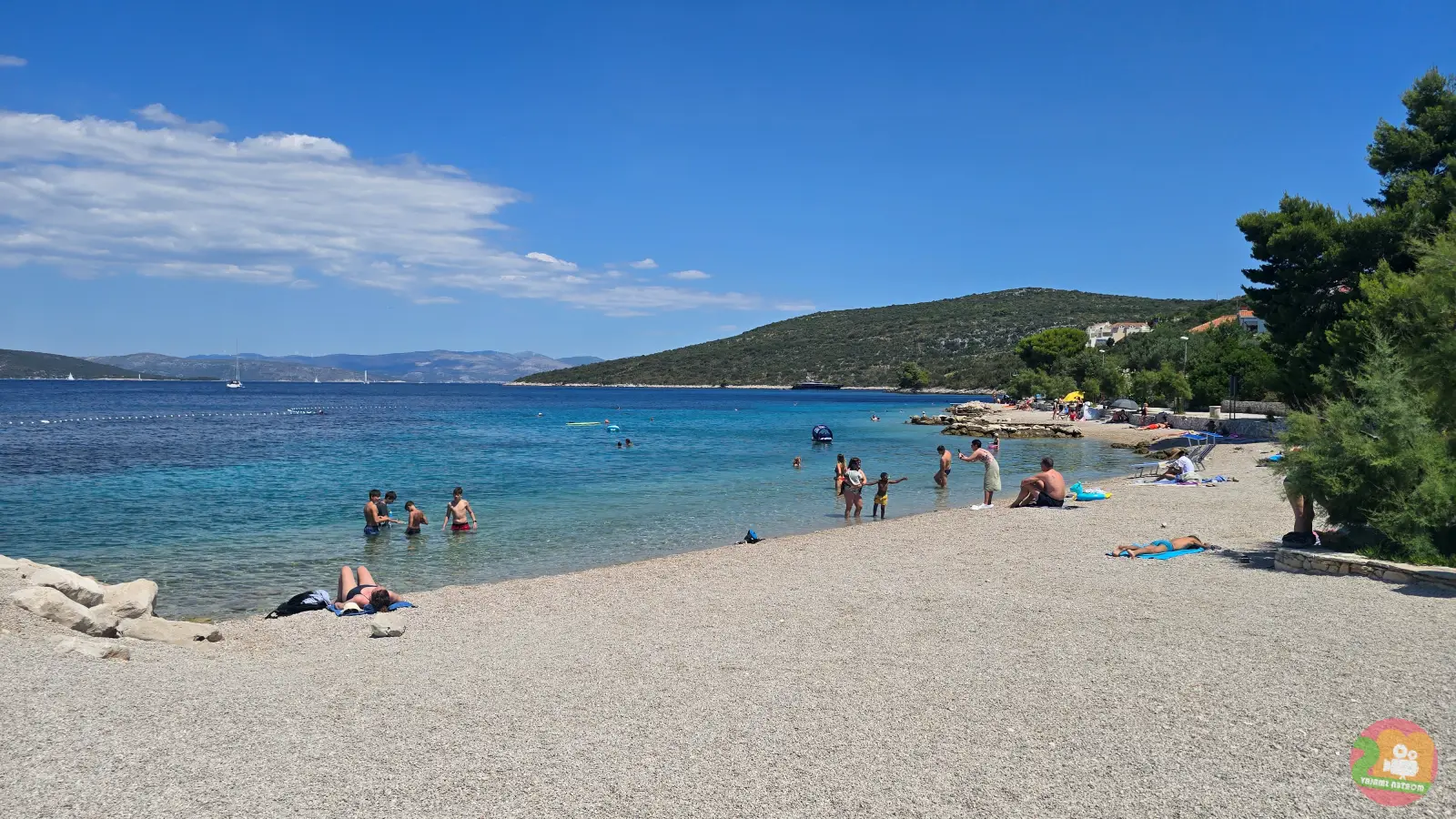
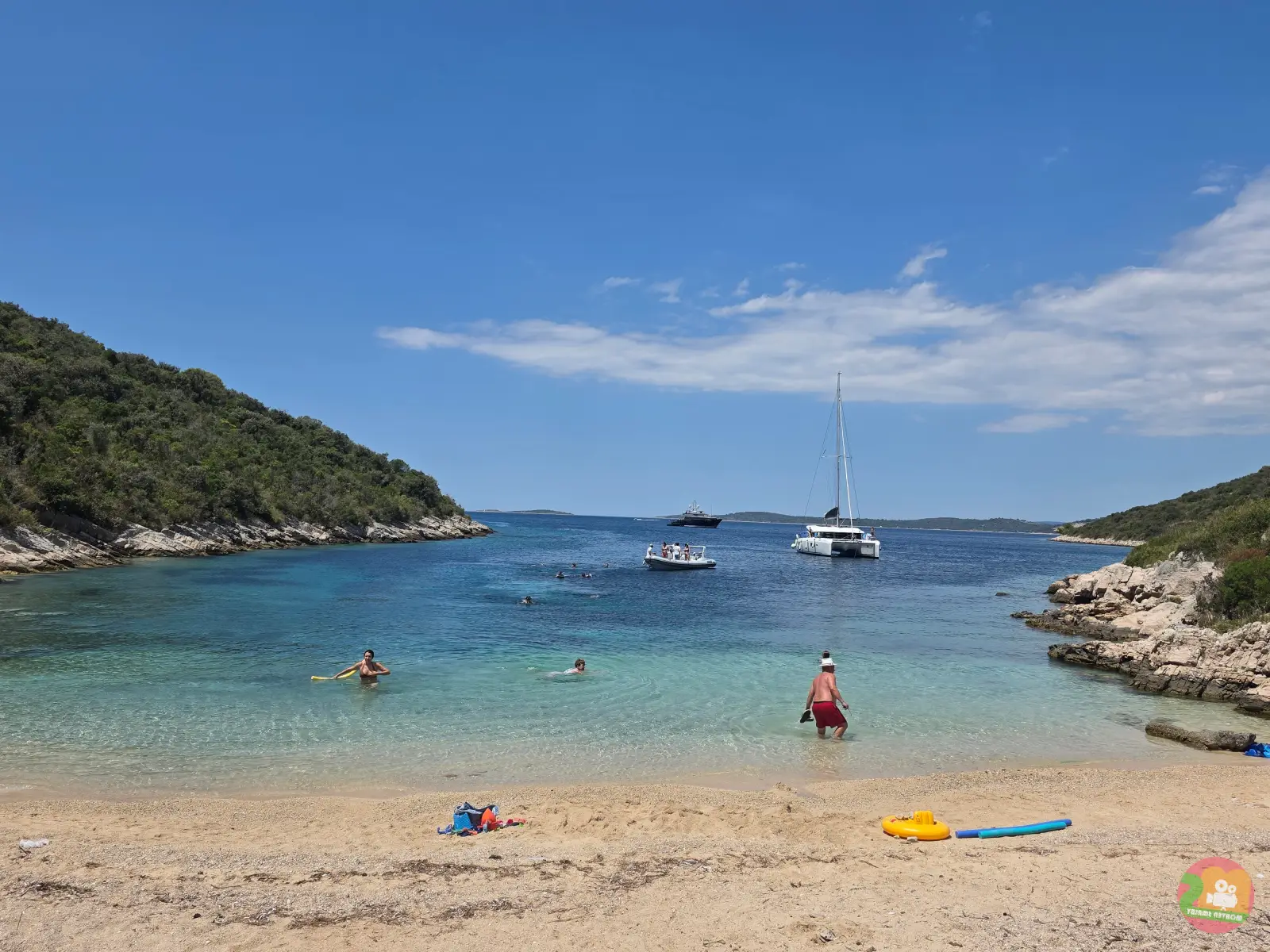
Šolta has about 80 km of coastline, and very little of it is sand. Expect pebbles, flat rocks and clear water. Bring water shoes, and leave the idea of a sunlounger empire to Hvar.
- Nečujam: the big bay, with easy access and good for families, plus several other beaches in the other arms of the bay
- Maslinica: a main beach opposite the marina that stretches into the next bay, Šipova Beach one bay further on, and islets in front for boat trips
- Stomorska: smaller pebble beaches and swimming spots along the rocks on either side of the harbour
- South coast: numerous quiet bays that are popular anchorages for sailing boats, mostly reached by boat or a dirt road
Of the beaches we visited, I liked the one in Maslinica the most, but bear in mind that we did not make it to the south coast.
Who should visit Šolta?
Personally, I think middle-aged and older couples would enjoy Šolta the most, but the island is also suitable for families with younger children. Younger travellers and families with teenagers would probably find it less attractive.
To sum it up, anyone looking for a peaceful holiday in Croatia, where the main activities are spending time on the beach and having an affordable dinner in a restaurant, would find Šolta a great place. Even in peak season, you can find places that are not overrun, especially Stomorska and Nečujam.
The trade-off is fewer activities, fewer tours and very small villages with limited options. But Split is only a short ferry ride away, so a day trip there can make up for it.
Best time to visit Šolta
Šolta never felt crowded to us, even in peak season. When we visited at the beginning of July, most places were surprisingly quiet.
For Maslinica, I would pick June or the end of August. For the rest of the island, July and August work fine, as even then you will not be fighting for space. If you prefer it less hot, go in June or September.
Outside the summer season, many restaurants close, so plan ahead if you come in spring or autumn.
Where to stay on Šolta
Most accommodation options are apartments and holiday houses. Maslinica and Nečujam have the most houses for rent.
As far as I am aware, there are currently only two hotels on the island: Martinis Marchi in Maslinica and one hotel in Stomorska.
Camping and glamping: there is a glamping option near Maslinica and a small campsite near Stomorska called Mido.
A short history of Šolta
Its proximity to Split has, of course, shaped Šolta’s history. A few highlights:
- The Greeks called it Olynta in the 4th century BC, and the Romans knew it as Solenta. Unlike Hvar, it never had a Greek colony or a large town.
- Under Rome, the island was rural, with country villas and Diocletian’s fishpond at Piškera (295 AD).
- After the Avars sacked Salona in 614, refugees fled to Šolta. In the Middle Ages, the island belonged to Split and supplied it with olives, wine, grain, lime and stone.
- Venice held it from 1418 to 1797. To escape pirates and the Ottomans, the villages moved inland and built defensive towers, such as Slavić Tower in Grohote and later the Marchi castle in Maslinica.
- Austria ruled the island until 1918. During the Second World War it was occupied, and in 1944 the population was forcibly evacuated.
My verdict on Šolta
Šolta is not trying to impress you, and that is the point. No party harbour, no designer boutiques, no queue for a photo spot. What you get is olive groves, stone villages, clear water and a sunset in Maslinica that costs nothing.
If you want nightlife, go to Hvar. If you want to remember what Dalmatian islands were like before everyone found them, take the ferry to Rogač.
And if you need one more reason: I missed my winery visit, and the winery sent me a bottle anyway. Try that on Hvar.
Watch the video above, and tell me in the comments which village you would pick as your base on Šolta.