
Is Croatia Expensive
Yes and No – It Depends on What You Compare It With!
If you compare Croatia to:
- Western Europe (Denmark, Sweden, Norway, Netherlands) → Cheaper
- Eastern Europe / Balkans → More expensive
- Pre-2020 Croatia → Much more expensive today
👉 Croatia is no longer a budget destination — but it’s still affordable if you plan smart.
In the more than 20 years I have lived in Croatia, things have become way more expensive — and this applies to literally everything.
From tourists, family, and friends, I often get questions like:
- How are the prices in Croatia?
- Can you help me find some cheap accommodation?
- Where can I rent an apartment/house/villa for cheap prices?
… and so on. You get the point — prices always interest people.
Bottom line: Even though I live here, I have very little chance of getting things for below-market prices. Everybody tries to maximise their profit during the fairly short tourist season.
That said, this does not mean there are no ways to save money. In this guide, I will explain how you can save on:
- Accommodation
- Transportation
- Grocery shopping
- Tours and experiences
- Cash withdrawals
- Restaurant visits
Typical Prices in Croatia (What I Typically Pay)
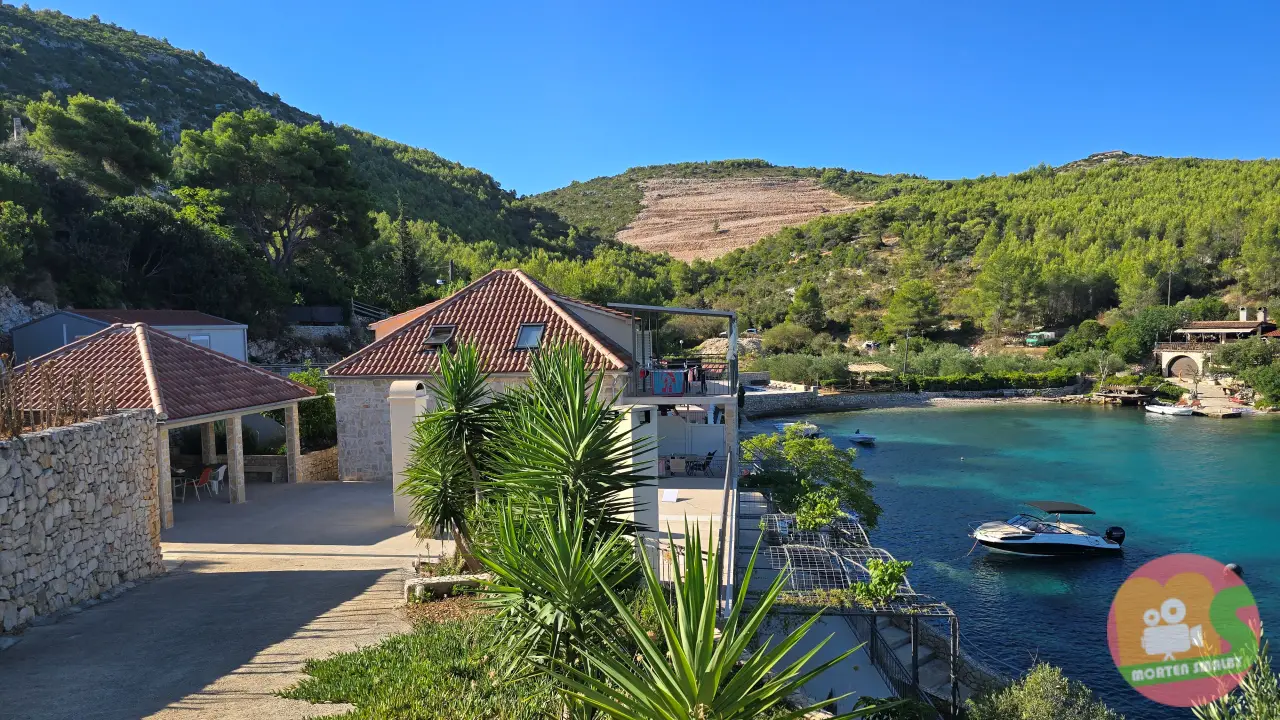
To give you an idea of the price level in Croatia, here are the prices I typically pay in my neighbourhood, about 3 km from the town centre:
- Coffee: €1.5–2.5
- Beer (0.5L): €4–5
- House wine (0.5L): €15–20
- Dinner at a local restaurant: €15
- 2-person apartment (first row to the sea, June): €80 per night
- Groceries (family of 3): €150–200 per week
- McDonald’s menu (Big Mac): €8
👉 Prices are typically higher in tourist hotspots like Dubrovnik or Hvar, especially during July and August.
Accommodation: How to Save Money
- Accommodation prices are all about location. If you are planning a sunny holiday, you can save the most on this budget item by choosing smaller towns as your holiday destination instead of popular tourist hotspots.
- Booking platforms charge 15–20%, or even up to 25%, in fees to the owner. If you book directly with the apartment or villa owner, you can avoid most of these fees and typically save a minimum of 10–15%.
- Travelling outside the main season is also very budget-friendly. July and August are the most expensive periods, so avoid these months if possible.
Where to Book Cheaper Accommodation?
Here’s how I almost always end up getting a lower price for my accommodation than the rates quoted on the major booking platforms:
Hotels:
When booking a hotel for a business trip, I always contact the hotel directly. I usually say something like:
“I saw your hotel on platform X for price Y. Is there any advantage if I book directly with you?”
I’ve found that this approach almost always results in a better price or a better room — especially with non-chain hotels.
Apartments:
For booking apartments, there is one excellent platform I use almost every time: Direct Croatia.
This year, I am returning to my favourite spot near Hvar for the fifth year in a row. I found the apartment on Direct Croatia, where you can find more than 35,000 apartment units throughout Croatia.
Why is this platform great?
- Direct Croatia is a listing platform, not a booking platform. It simply lists accommodation units and provides the direct contact details of the owners.
- The owner pays a yearly fee (around €150) to be listed on the platform, instead of the 15–25% commission per booking charged by typical booking sites. This means the prices you see are significantly lower.
- You handle all booking details directly with the owner.
When I book through Direct Croatia, I usually agree on a 30% deposit, which I transfer to the owner’s bank account. I then pay the remaining amount in cash on the day of arrival (you can also transfer the rest if preferred).
Typically, prices on Direct Croatia are 10–20% cheaper than on major booking platforms, and many apartments are only listed there.
Villas with pool:
Luxury Retreats Croatia works similarly to Direct Croatia.
Main differences:
- On Luxury Retreats Croatia, you will only find villas and luxury apartments.
- Some villas and apartments can be booked directly with a credit card on the platform. In these cases, the platform charges a small fee (typically around 5%) to cover VAT and credit card processing costs.
In most cases, you can still save a minimum of 10% by booking directly with the owner. On a week-long villa stay, this saving can be a substantial amount.
Transportation
If you are not travelling to Croatia by car, transportation is another budget item where you can save a decent amount.
Public Buses – Cheapest Form of Transport
In all major Croatian cities — such as Zagreb, Dubrovnik, Zadar, Split, and Pula — you’ll find a well-functioning city and regional bus network. Buses are very affordable.
For example, in Split, you can pay as little as 1 euro for a ticket if you use the official app of the city bus provider, Promet Split. Regional tickets are also very cheap.
In most cities, you can buy day or multiday tickets for public transportation.
Potential savings: up to 50% with app purchase.
Taxi App Services
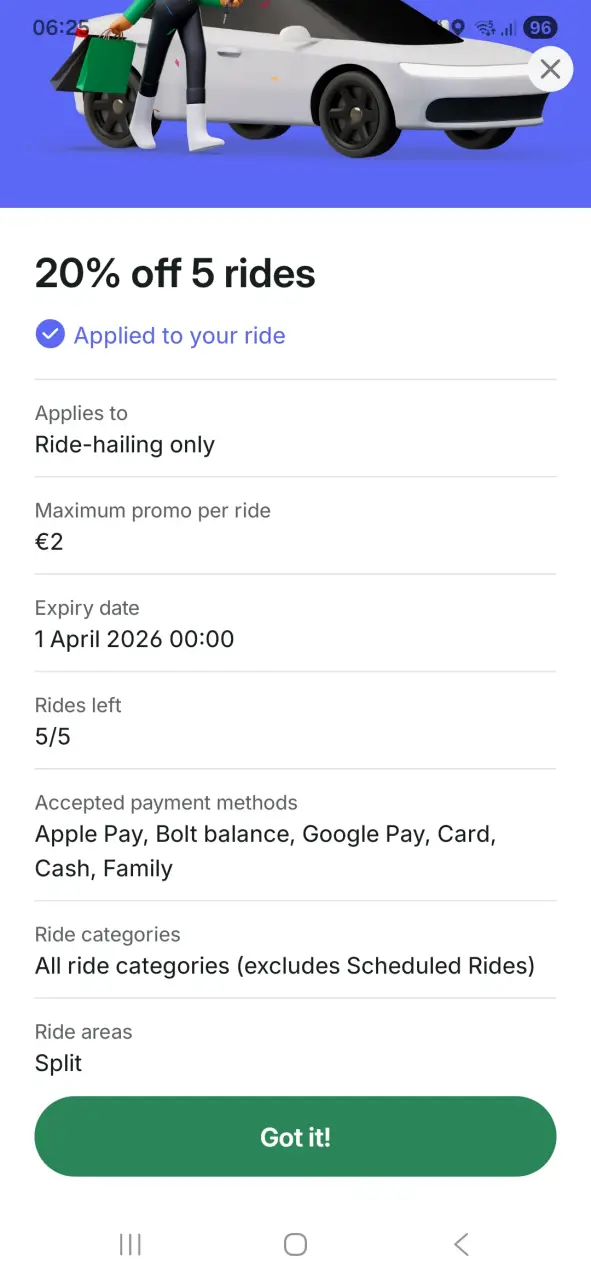
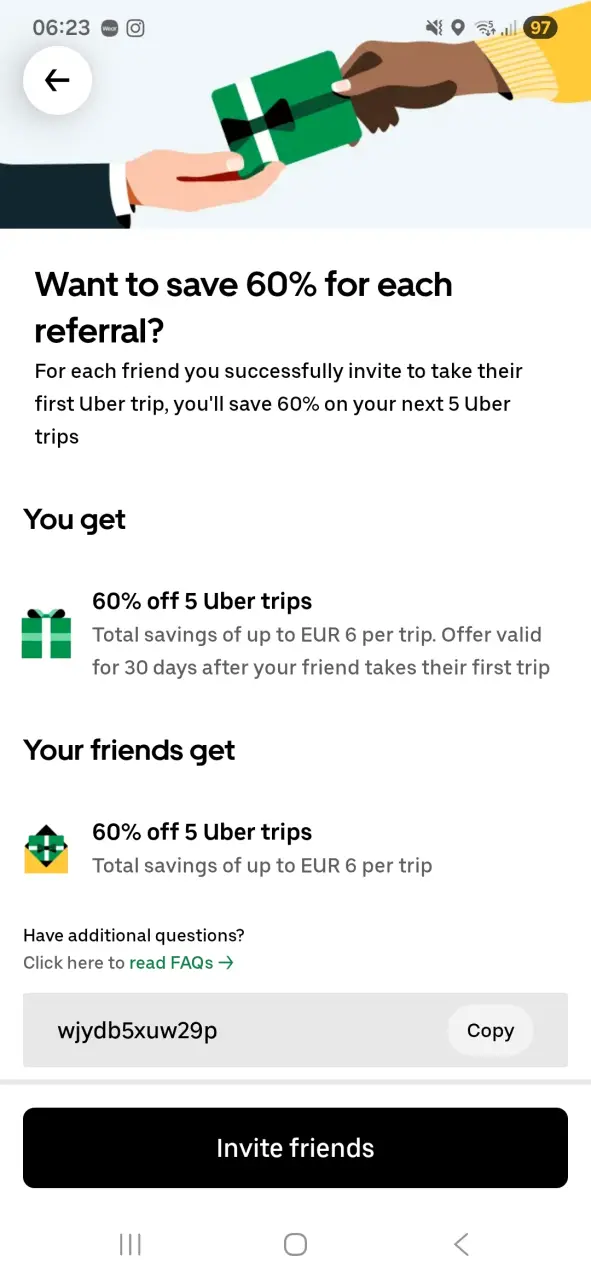
As an alternative to city buses, you can use ride-hailing apps such as Uber, Bolt, and Wizi. These services are priced based on demand — they are very cheap during low-demand periods and become more expensive when demand is high.
One great way to save money is to invite friends to join these apps. They often offer referral discounts.
Potential savings with friends sharing: up to 60%
Note: On the islands, Uber and Bolt availability is very limited. Even in popular spots like Hvar Town or Bol, you may see rides in the app, but they are often unavailable. In that case, you might have to rely on regular taxis, which can quickly become expensive. It is therefore better to choose accommodation within walking distance of the town centre.
Intercity Buses
Intercity buses are often the cheapest option when travelling between cities. Popular destinations are well connected during the summer season.
Check my guide about intercity buses, where I also explain how to get from the airports to the city centres.
Save by buying tickets ahead and using the operators’ websites directly.
Saving potential: up to 50%
Trains
The train network mainly covers the north-eastern part of Croatia, with connections from Zagreb to Pula and Split. Currently, the train journey from Zagreb to Split takes more than 8 hours, compared to around 5 hours by bus. This will probably improve in the near future when Croatian Railways receives its new trains.
Ferries
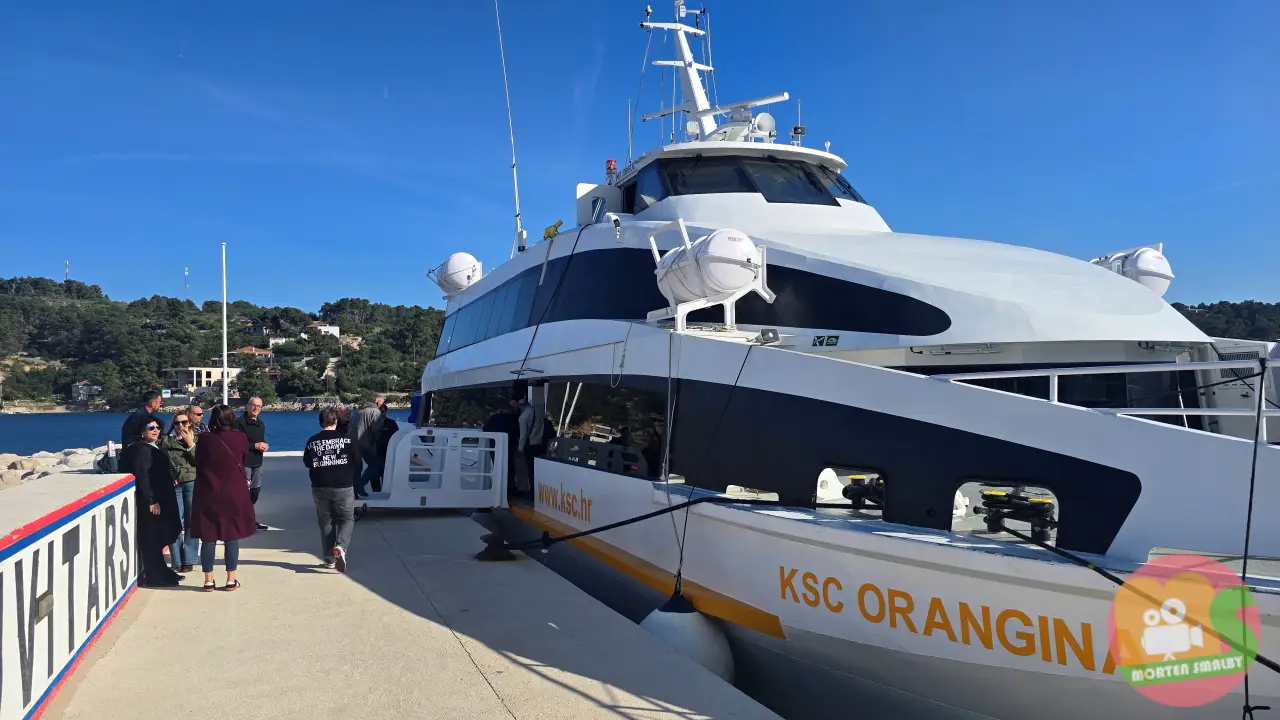
If you want to visit the fantastic Croatian islands, you’ll need to take a ferry. Several ferry companies operate in Croatia, and popular routes like Split to Hvar are served by more than 10 departures per day. For more details, check out my ferry guide.
You can save money on ferry tickets by purchasing them directly from the operator’s website.
Savings compared to booking platforms: 10–30%
Private Transfers
A private transfer isn’t an obvious savings option, but it can be a smart alternative to taxi apps because the price is fixed and there is no risk of surge pricing.
Also, if you are travelling as a group or planning tours, it is often cheaper to hire a van with a driver for the day.
Traveling by Car
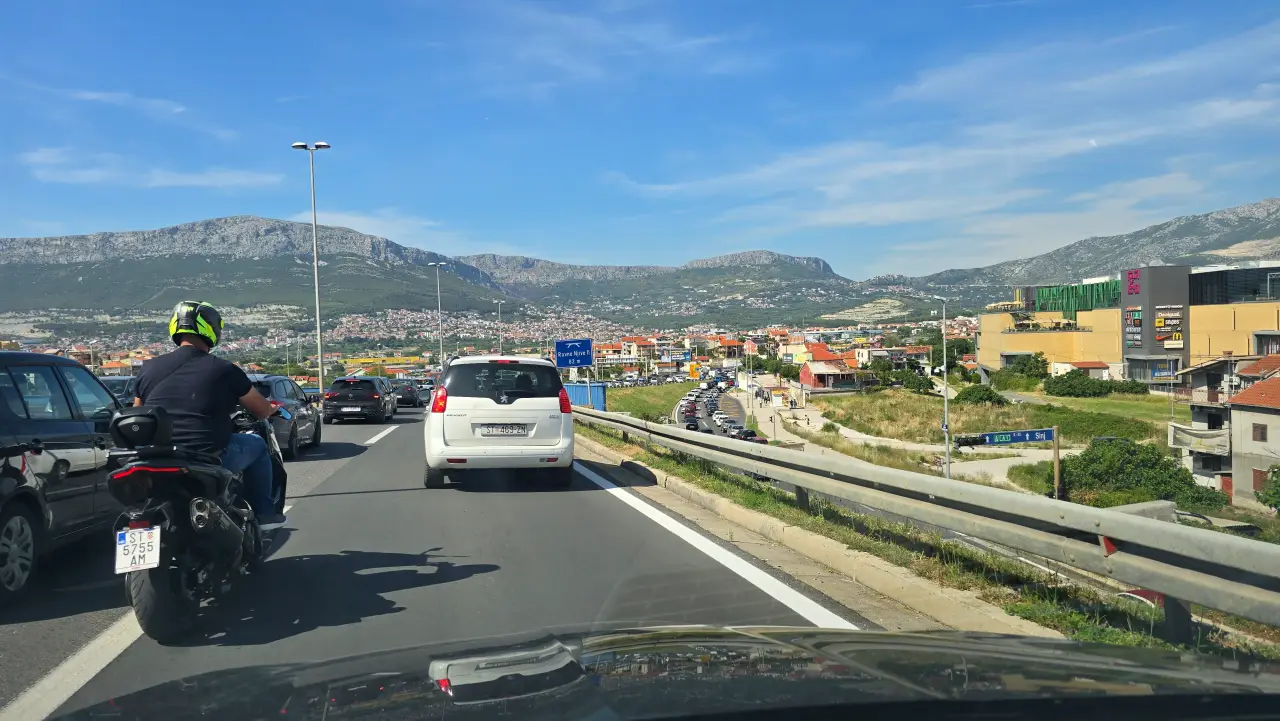
If you drive to Croatia or plan to get around by car, there are a few things you should know.
Toll
On Croatian highways, you pay a distance-based toll. For example, the route from Zagreb to Split costs around €26.40. You pay the toll when exiting the highway, either with cash or card.
I use an ETC (Electronic Toll Collection) device, which gives me a 22% discount when I top up money. The device costs €15, so it only pays off if you plan to travel a lot on Croatian highways. Here is a list of places where you can buy the ETC device.
If you choose to travel via country roads, you avoid paying the toll, but your travel time will be longer.
Gas Stations
Highway gas stations are usually slightly more expensive than those in towns.
The most important thing is to pay attention to the type of fuel: regular vs. premium gasoline, or regular vs. premium diesel. The price difference can be up to €0.50 per liter! You can see current gas prices here.
As a diesel driver, I’ve noticed there is usually only one nozzle for the cheaper diesel, so make sure you grab the right one.
Parking
Parking has become quite expensive, especially in town centres, and free spots are rare.
Supermarket parking lots usually allow 2 hours of free parking, which can be very convenient for quick stops.
Shopping – Supermarket Groceries
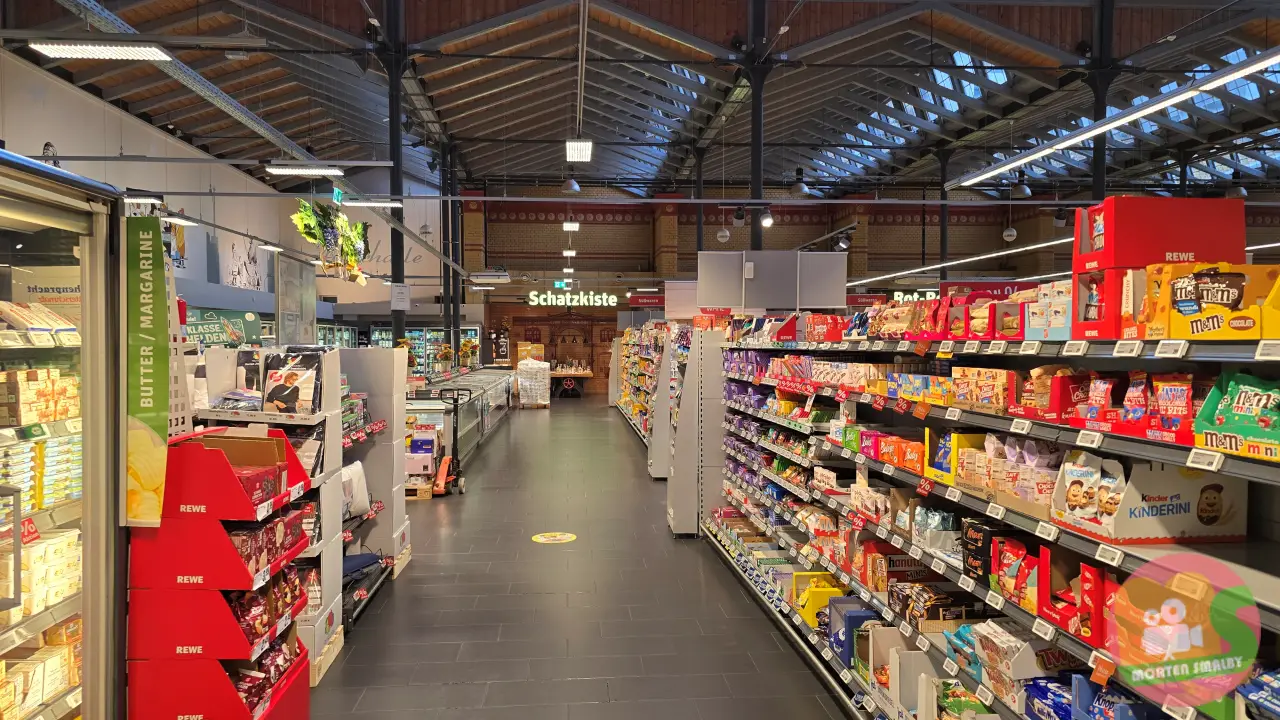
Prices for groceries have increased significantly over the years I have been living in Croatia. The main drivers have been Croatia joining the EU, adopting the Euro, and the rise in card payments.
Grocery prices can vary a lot depending on where you shop. Here are my best tips to get the lowest prices:
- Shop in larger supermarkets such as Super Konzum, Plodine, Kaufland, Tommy Hypermarket, Interspar Hypermarket, or Lidl.
- Check the supermarkets’ websites for current offers and shop across multiple stores to take advantage of the best deals.
- Download the supermarket apps — most of them have special digital offers and discounts that you can activate directly in the app.
Note: On the islands, prices are generally higher and there are fewer supermarkets available.
As a family of 3, we currently spend about €150–200 per week on groceries and soft drinks. With better planning, we could reduce our weekly spending to €100–150.
Tours and experiences
Tours can be a substantial part of your holiday budget, but you can significantly lower the cost by booking directly and avoiding the 25–30% commission fees charged by most tour platforms.
I usually contact tour companies directly. Many of them have their own websites or Facebook pages with contact information.
The same principle applies as with hotel bookings: simply ask them,
“Is there any benefit or discount if I book directly with you instead of through a booking platform?”
If you negotiate well, you can easily save 20%. If you are travelling in a group, the savings can be even higher.
Cash Withdrawal
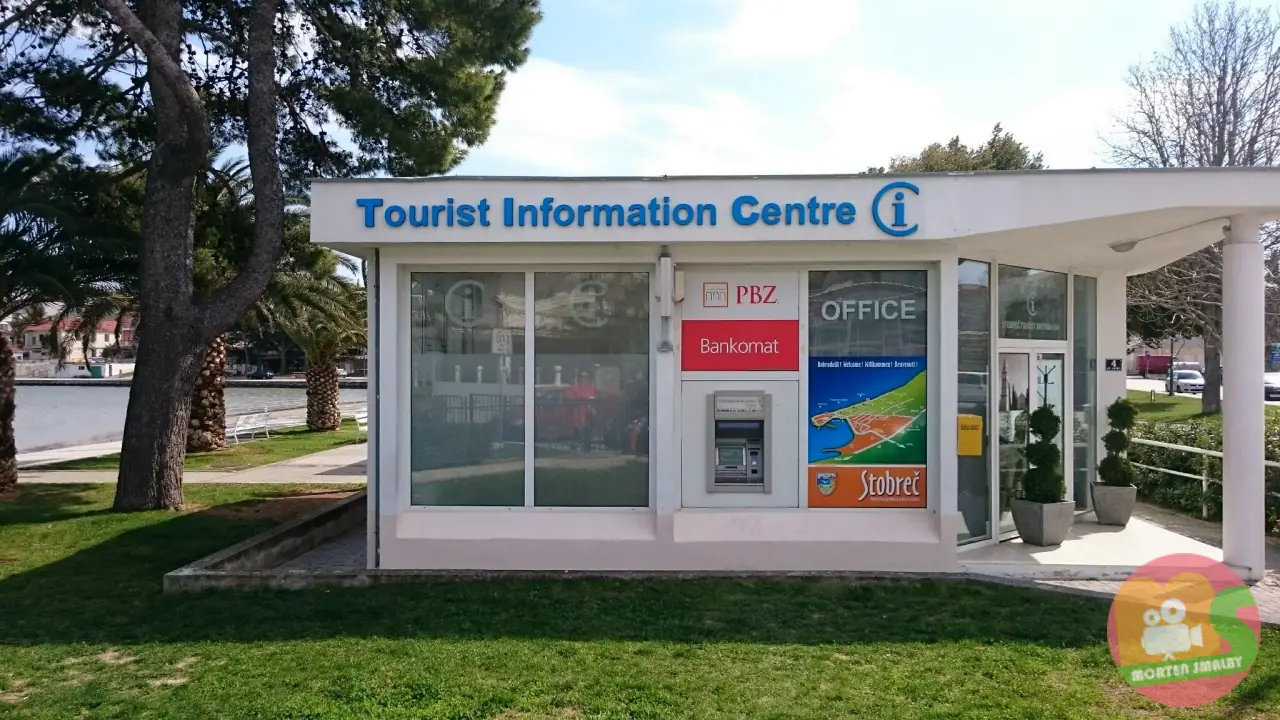
In Croatia it is always advisable to have some cash with you. Many smaller places only accept cash, and I personally always give tips in cash (I hate the tip options that pop up on POS machines).
You’ll find plenty of ATMs in town centres, but not all of them are equal when it comes to fees. To keep costs down, I recommend using ATMs from major Croatian banks, such as:
- Zagrebačka banka
- Privredna banka Zagreb (PBZ)
- Erste & Steiermärkische Bank
- OTP banka
- Hrvatska poštanska banka (HPB)
- Raiffeisenbank Austria (RBA)
- Addiko Bank
Important: If the ATM asks whether it should convert the amount to your home currency (DCC – Dynamic Currency Conversion), always say no. You will almost always get a better rate by letting your own bank handle the conversion.

Dining Out – Restaurants
Food prices in restaurants have increased over the years, but not as much as drink prices. Drinks (especially beer, wine by the glass, and cocktails) have risen significantly during the time I have been living in Croatia.
The single most important rule for keeping restaurant costs reasonable is this: avoid prime tourist locations. Seafront promenades (riva), main squares, and the busiest parts of old towns usually have the highest prices and the lowest value for money. The same dish can easily cost 30–50% more right on the water compared to a simple konoba just one or two streets back where locals eat.
When I dine out with family or friends, I usually look for places where a main dish costs around €15, half a litre of house wine (kućno vino) is €15–20, and a beer is around €5. These prices are still easy to find if you step away from the tourist hotspots.
A couple of times a year I treat myself at my favourite restaurant in Split — Chops — where I get a nice rib-eye steak and a good Croatian wine. The bill there is usually around €100 per person. It’s a splurge and the quality is excellent, but for normal days I stick to the smaller, non-touristy spots and keep the cost much lower.
A few extra things that help:
- Go for lunch (ručak) instead of dinner — many places offer better value midday.
- House wine is almost always the smartest drink choice — it’s cheap and usually very decent.
- Portions in traditional Croatian restaurants are generous, so sharing a bigger dish like peka or pašticada works well for couples or families.
Drinks are where the biggest mark-ups happen, which is why I almost always order house wine or local beer when trying to watch the budget.
Final Thoughts
Croatia is no longer the cheap destination it once was.
However, compared to many Western European countries, it still offers good value — especially if you:
- Avoid peak season
- Book directly
- Choose less touristy areas
👉 With a bit of planning, you can easily reduce your travel costs in Croatia by 10–15% — without missing out on the experience.