
Safety in Croatia
Most foreign ministries publish current travel safety information for Croatia on their websites, and I recommend checking it before your first visit — though in my experience, you may find the warnings more cautious than reality.
Born in Denmark, where I lived for 22 years, and having spent nearly a decade in Germany, I can say with confidence that Croatia — where I have now lived for 20 years — is where I have felt the safest. This is also reflected in international rankings — Croatia consistently scores among the safer countries in Europe across various global safety and peace indices.
This article is not a replacement for, or competition to, official government advisories. It is simply me sharing my personal safety perception, advice, and lived experiences from my 20 years here in Croatia — all viewed through the lens of an ordinary guy who minds his own business and tries to be polite and respectful towards the people around him.
Growing up in a small Danish town of 5,000 people, I already noticed that larger cities didn’t always feel safe. Living in Hamburg and Düsseldorf during my years in Germany reinforced that feeling. Croatia changed that for me.
Croatia’s strong family values, close-knit communities, and traditional social culture contribute to a general sense of order and respect in everyday life — something I noticed immediately after moving here. I once asked some Croatian friends why there was so little stealing. Their answer was simple: if someone stole from another person, they would have a serious problem with their own family. In Croatia, that matters.
The best way I can describe safety in Croatia is not through statistics — it’s through moments.
The street we lived on when my kids were still young was a fantastic place to raise children. A quiet street, a tight-knit community, and an unspoken agreement that everybody kept an eye on each other’s kids playing outside.
One time, my parents were visiting, and my mom started getting worried around 11 pm — the kids, aged 6 and 9, still weren’t home. I told her there was nothing to worry about. I could see that didn’t comfort her much, so I said: “I am 100% sure they are fine — they are just playing in the next street. But let’s go and check.”
What we found was a street with 30 to 40 kids of all ages — running, a ball game in full swing, and four moms sitting on a concrete wall drinking coffee. My mom stood there and couldn’t believe what she was seeing. She never asked again.
In general, the whole community gave a great sense of safety, and my wife and I rarely worried about the kids being outside. Though I’ll admit, there was one moment that gave me a small scare.
I came down to our street one afternoon looking for my older daughter — we needed to head to the shop. But she was nowhere to be found. Strange. I started calling her name, louder and louder, getting no response. Just as I was beginning to worry properly, I heard from somewhere above: “Dad, I’m here — at Baka’s, getting some lunch!”
She had gone upstairs to the 10th floor with one of the older ladies in the building. Why? Because she was hungry, the lady had offered to make her something to eat. 😂
I could go on and on with stories like that — but I think you get the point. An exceptional community, and one that made us feel safe every single day.
Crime
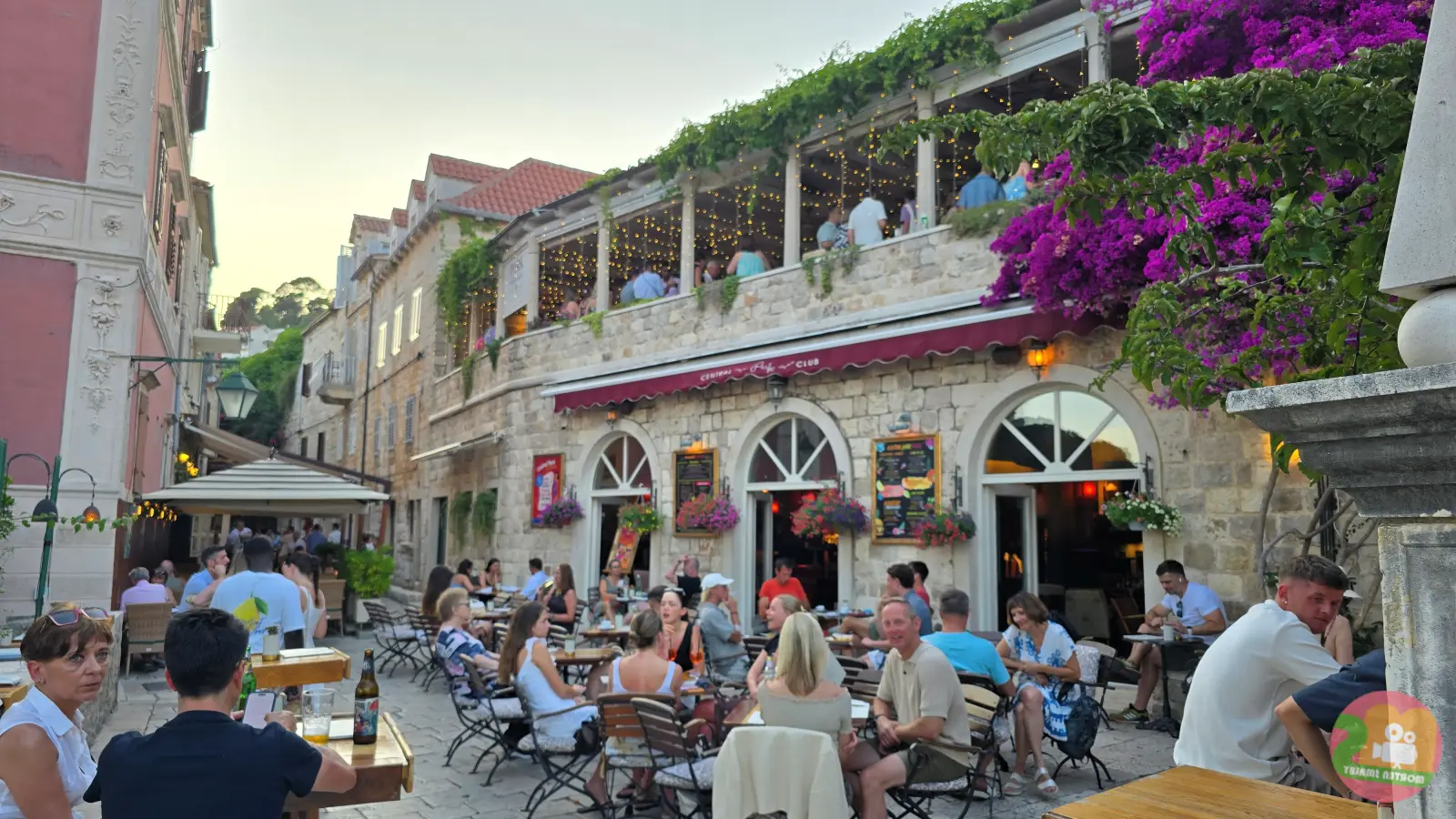
In 20 years of living in Croatia, I have never personally been a victim of crime. Not once. That alone says something.
And it turns out the data agrees with my experience. According to Eurostat, Croatia ranks as the safest country in the European Union, with only 1.4% of citizens reporting crime, violence or vandalism in their neighbourhoods. The 2025 Global Peace Index ranked Croatia 19th out of 163 countries worldwide — ahead of both Germany and Australia.
Violent crime is rare, and the biggest issue tourists are likely to encounter is petty theft — pickpocketing in busy tourist areas — though even this happens far less frequently than in destinations like Paris or Barcelona.
The practical advice is simple: keep your valuables in a front pocket or a secure bag, and stay aware in crowded tourist spots.
Personally, I have never had an issue at the beach either. Going for a swim and leaving my phone, wallet, and keys on my towel has never once been a problem for me. That said, I am aware that theft does happen at the busier, more touristy beaches — so a little common sense goes a long way. If you are at a packed beach in peak season, consider leaving valuables at your accommodation or keeping them in a bag with someone you trust.
In smaller towns and villages, people often don’t lock their doors, cars, or bikes — because in tight-knit communities, most people know each other. I have seen this firsthand. It is a different world from what I knew in Denmark or Germany.
For official and up-to-date information, I recommend checking your country’s foreign ministry travel advisory before visiting.
Scams
Croatia is not a country riddled with scams, and as a tourist, you are unlikely to encounter anything beyond what you would find in any popular European destination.
Personally, the only time I have been a victim was with taxi drivers — the classic overcharging trick, where you notice the meter has been tampered with and the fare comes out double what it should be. These days, I avoid that entirely by using Uber, Bolt or Wizi whenever possible. If I have no other option than a taxi, I always agree on the price before getting in.
Where I would urge real caution is in two specific areas: real estate and setting up a business. Both attract people who are very good at identifying someone who doesn’t fully know the local system — and taking advantage of it. If you are buying property or starting a business in Croatia, my strong advice is to always use an independent lawyer you have found yourself, not one recommended by the other party. It can save you a lot of money and frustration.
If you rent a car, I would recommend you take photos and video of the car before you leave the rental location
For tourists, the practical tips are simple — use ride apps over taxis, check your restaurant bill in busy tourist areas, and be cautious of anyone offering deals that seem too good to be true around accommodation or excursions.
Nightlife Safety
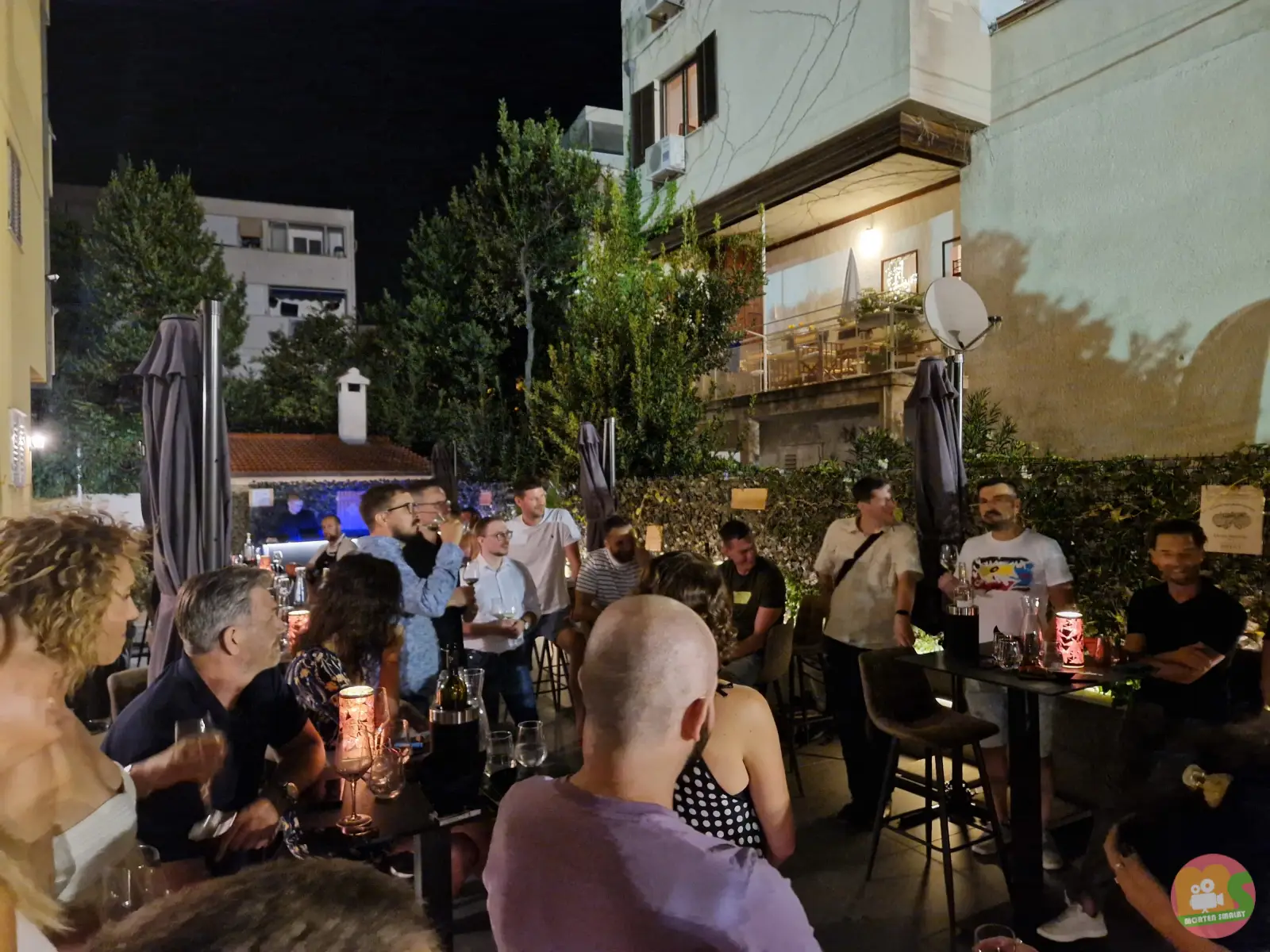
I have been going out in Split for over 20 years and have never had a serious issue. A few times, I have seen people get into a fight — but that is about as bad as it gets, and it has always been isolated. Croatia’s nightlife, particularly along the coast, is lively but generally relaxed.
I have walked the 3 kilometres home from the city centre many times in the middle of the night without ever feeling unsafe. That is not something I could say about many cities I have lived in or visited.
If you are heading out in a tourist-heavy area, you should be perfectly fine. Just stay aware of your pockets and bags in crowded bars and clubs — where there are large groups of tourists, there will occasionally be people looking to take advantage.
If you need a ride home, use Uber, Bolt or Wizi. It is the simplest way to avoid overcharging and ensures you always know what you are paying before you get in.
One thing worth mentioning — in the larger cities, you will occasionally come across clubs that specifically target men, often with the promise of cheap drinks or female company. I would avoid these entirely. They are designed to separate you from your money, and the bill at the end of the night is rarely what you expected.
And one practical tip that most travel guides never mention: if you are out at night and it rains, be very careful on the stone pavements in old towns like Split and Dubrovnik. They look beautiful — but when wet, they become extremely slippery. A few drinks and a slippery cobblestone street are a combination that has caught many visitors off guard. Watch your step.
Antisocial Behaviour
Croatia is a remarkably well-behaved country by European standards. But I would be dishonest if I didn’t mention the one area that has genuinely annoyed me over the years — and that is the behaviour of some tourists in residential areas.
When Airbnb started spreading into my neighbourhood, I noticed something I had rarely seen in 20 years of living here: loud, inconsiderate behaviour late at night, not from locals, but from visitors.
If you are staying in an apartment in a residential area, please remember that the people around you live there. They have jobs to go to and children to get to school. Have a great holiday — but keep the noise down after midnight.
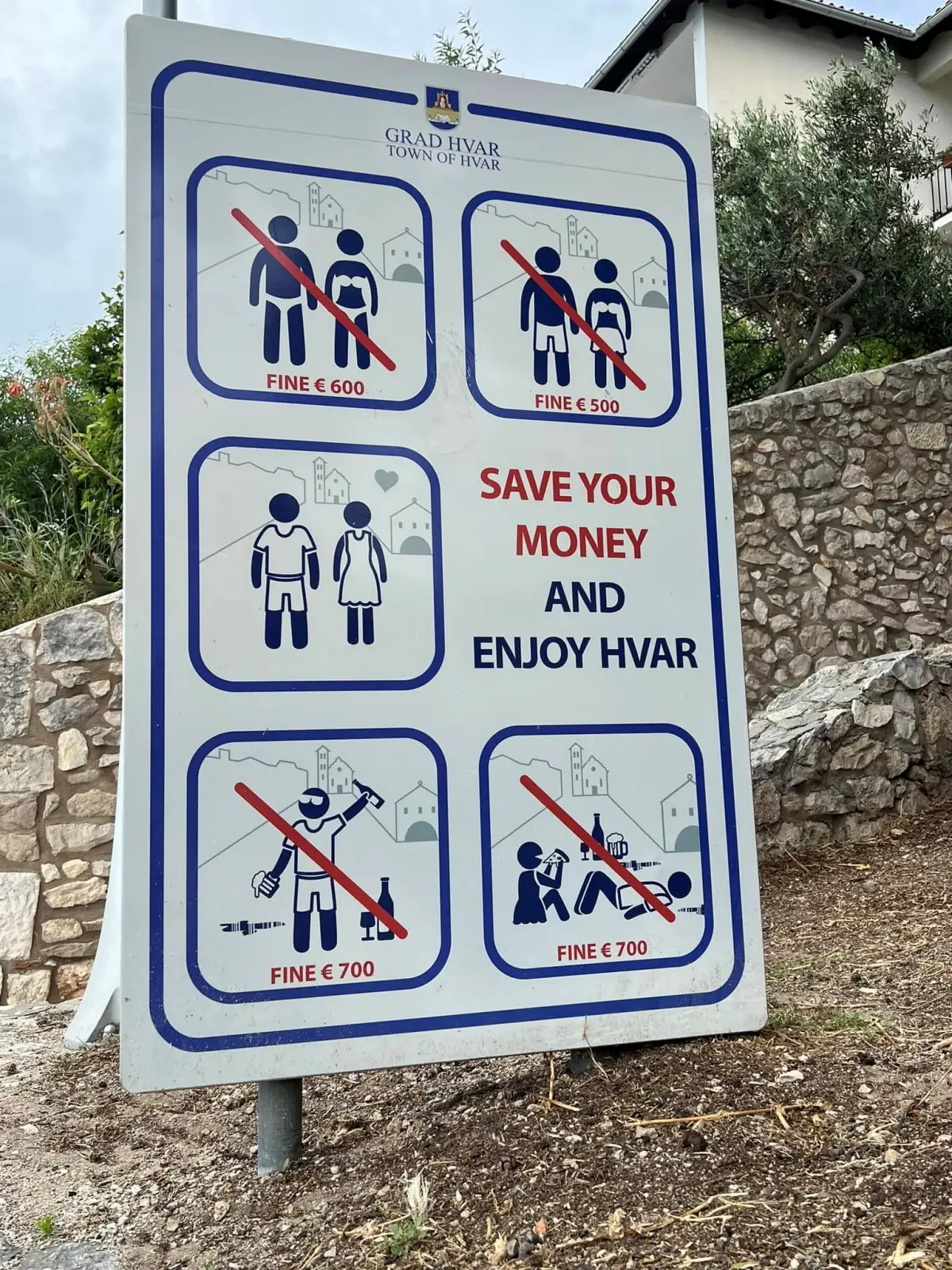
Beyond that, most cities along the Croatian coast have introduced serious fines for antisocial behaviour in recent years. Walking through the old town in only a swimsuit, drinking alcohol in public areas, or generally causing a disturbance can now cost you several hundred euros on the spot. The rules exist because these are real, living communities — not just backdrops for holiday photos.
So by all means, have the best holiday of your life. Croatia is a fantastic place for it. Just remember to respect the people who actually call it home.
Road Travel
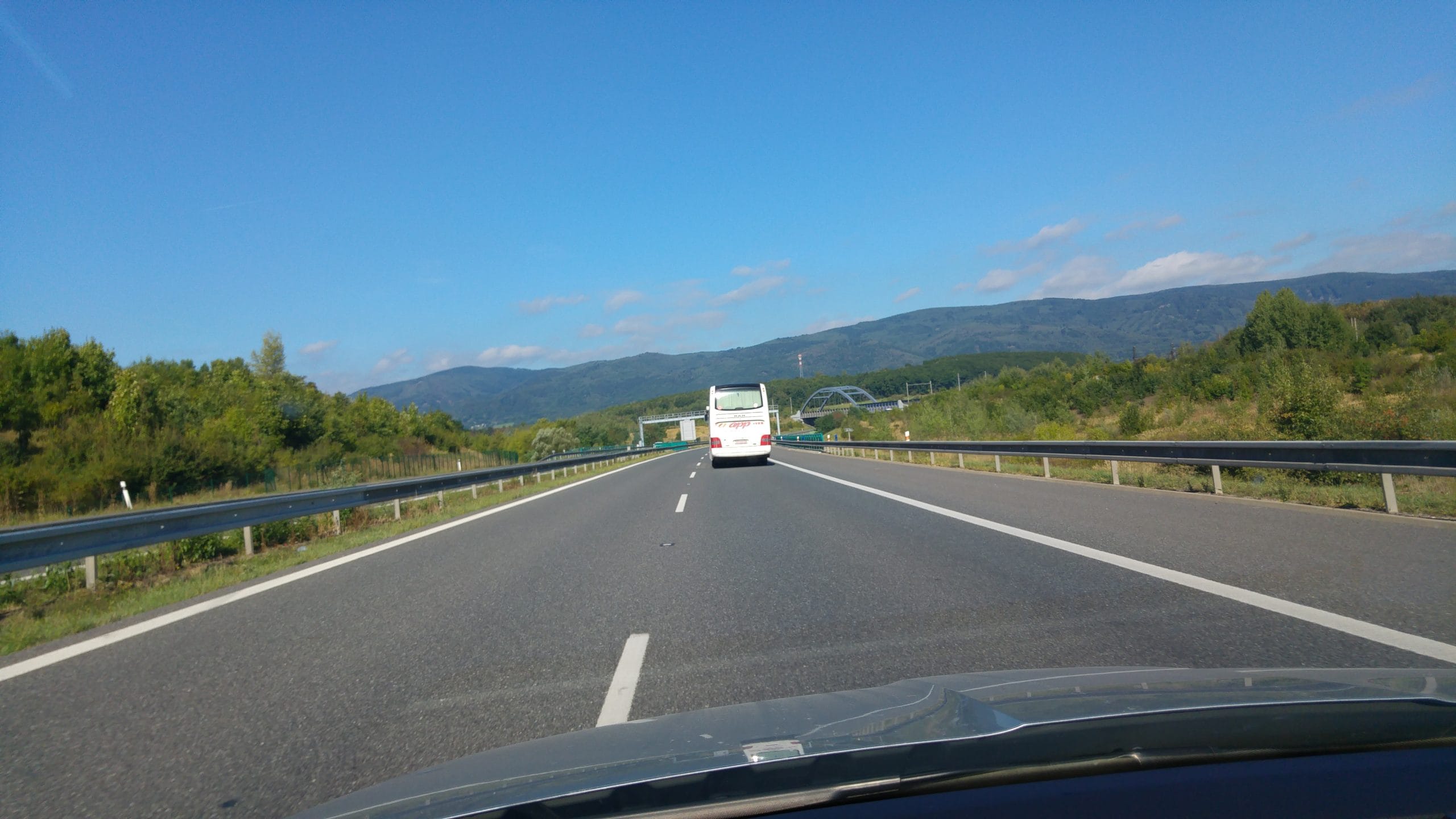
Croatia’s roads are generally in good condition, and driving here is quite safe as long as you use common sense. The highway running down towards the south is particularly good — it is relatively new and well-maintained.
That said, a few things are worth knowing before you get behind the wheel.
In peak season, the main highway and coastal roads can get heavily congested, so factor in extra time if you are travelling in July or August. On smaller roads, you will occasionally encounter drivers overtaking in risky places — it happens, so stay alert.
Speed cameras are now common on most roads across Croatia, so keep an eye on the limit.
One thing that does not get mentioned enough: on coastal roads and mountain routes where cliffs line the sides, small stones — and occasionally larger ones — can fall onto the road, especially around corners. It is not an everyday occurrence, but it is worth slowing down and paying extra attention when navigating those bends.
Finally, in the cities, parking rules are strictly enforced. Park in the wrong place and you will either receive a fine or come back to find your car has been towed. When in doubt, use a designated paid parking area — it is cheaper than the alternative.
Also, in the cities, be aware that the motorcycles are everywhere.
Wildfires
If you live in Croatia, wildfires are simply part of the rhythm of life — they happen every summer, almost without exception. The combination of scorching heat, strong winds like the jugo and bura, and bone-dry vegetation creates ideal conditions for fires to ignite and spread rapidly along the Dalmatian coast and islands.
The good news is that Croatia takes this seriously. The country maintains a well-trained firefighting force, and the sight of Canadair water-bombing planes swooping low over the Adriatic is a familiar one to locals. In most cases, they manage to contain fires relatively quickly.
What doesn’t make the news are the quieter, personal acts of resilience. Local homeowners in fire prone areas will spend entire nights outside, garden hose in hand, wetting down the trees and shrubs around their properties — not waiting for help, just doing what needs to be done. It’s a very Croatian kind of stoicism.
(For a more unusual brush with fire — a controlled, deliberate one this time — see the section on Unexploded Mines.)
For tourists, the most important message is this: be mindful of what you leave behind. A carelessly discarded cigarette or an unsupervised barbecue on a dry hillside can be all it takes to start a fire that destroys hundreds of hectares within hours. Many coastal municipalities ban open fires entirely during the summer months — check local rules before you light anything, and when in doubt, don’t.
Hiking and Mountaineering
Croatia’s mountainous terrain offers spectacular hiking opportunities, from the rugged peaks of the Velebit range to the scenic mountains surrounding Split, such as Mosor, which I have visited myself.
While I am not an avid hiker — partly because I have a personal aversion to snakes, even though encounters that result in a bite are genuinely rare — I have a deep appreciation for what these landscapes offer to those who seek them out.
That said, the mountains demand respect. Croatia has an active and dedicated mountain rescue service, and they are called into action more often than one might expect — typically because hikers head out unprepared.
The most common mistakes are straightforward but consequential: inadequate footwear and equipment, underestimating the terrain, and failing to check the weather forecast before setting out. Mountain weather in Croatia can change rapidly, and what begins as a clear morning can turn dangerous within hours.
One of the simplest precautions costs nothing at all — tell someone where you are going and when you expect to be back. It sounds obvious, but it is easily forgotten in the excitement of heading out, and it can make all the difference if a rescue team ever needs to find you.
One risk that often surprises visitors is landmines. Large parts of inland Croatia still carried the legacy of the 1990s war for many years, and while the country has been working for decades to clear it. The good news: Croatia was officially declared mine-free in early 2026, marking the completion of a long and painstaking effort.
I saw this first-hand during my early years in Croatia. When staying at Hotel Porto in Zadar, I noticed a large group of workers and was told they were mine-clearing crews. On another occasion, driving from Zagreb to Split, the radio announced that nearby fields would be burned to help clear mines — but the wind changed direction, leaving us at a complete standstill on the motorway with zero visibility from the smoke.
Wildlife is another consideration that hikers sometimes overlook. Beyond snakes, Croatia’s mountains and forests are home to bears, wolves, and wild boar. Encounters are rare, as these animals generally avoid people, but it is worth being aware, particularly in more remote areas. Staying on marked trails, making some noise while walking, and not leaving food unattended are simple precautions that go a long way.
The message is simple: hiking in Croatia is a wonderful experience, but it should be approached with preparation and common sense.
Emergency Numbers
If something does go wrong, knowing who to call can make all the difference.
In Croatia, 112 is the universal emergency number. It is free to call from any fixed or mobile phone and connects you directly to all emergency services — ambulance, fire and rescue, and police. It also activates the Mountain Rescue Service when needed, making it the single number worth memorising above all others.
For specific services, the individual numbers are:
- Police — 192
- Fire Brigade — 193
- Ambulance — 194
- Search and Rescue at Sea — 195
- Road Assistance / HAK (Croatian Auto Club) — 1987
The 112 line operates in Croatian, English, German, Italian, Hungarian, and Slovak, so language should not be a barrier for most visitors.
If calling from a foreign mobile phone, dial +385 before any of the specific numbers above.
Official Travel Safety Resources
For those wanting to check the latest safety information before visiting Croatia, the following official sources are a good starting point:
Foreign Government Travel Advice
- 🇺🇸 USA — U.S. Department of State: https://travel.state.gov/en/international-travel/travel-advisories/croatia.html
- 🇬🇧 UK — Foreign, Commonwealth & Development Office: https://www.gov.uk/foreign-travel-advice/croatia
- 🇦🇺 Australia — Smartraveller: https://www.smartraveller.gov.au/destinations/europe/croatia
- 🇨🇦 Canada — Travel.gc.ca: https://travel.gc.ca/destinations/croatia
- 🇮🇪 Ireland — Department of Foreign Affairs: https://www.ireland.ie/en/dfa/overseas-travel/advice/croatia/
Official Croatian Sources
- 🇭🇷 Croatian Mountain Rescue Service — https://www.hgss.hr/en/
- 🇭🇷 Croatian Civil Protection — https://civilna-zastita.gov.hr/en
- 🇭🇷 Croatian Tourist Board — https://croatia.hr/en-gb/travel-info/health-and-safety
All these pages are updated regularly, so I would recommend you check them before you travel to Croatia
Croatia has been the safest place I’ve ever lived. Come with common sense and respect, and you’ll likely feel the same.