On all my many visits to the old town of Dubrovnik and its famous walls, I have always looked over at Lokrum and thought, “I need to visit it next time I’m here.” Well, that never happened for years — until recently, when I finally made it to Lokrum together with my cameraman — and I’m so glad I did!
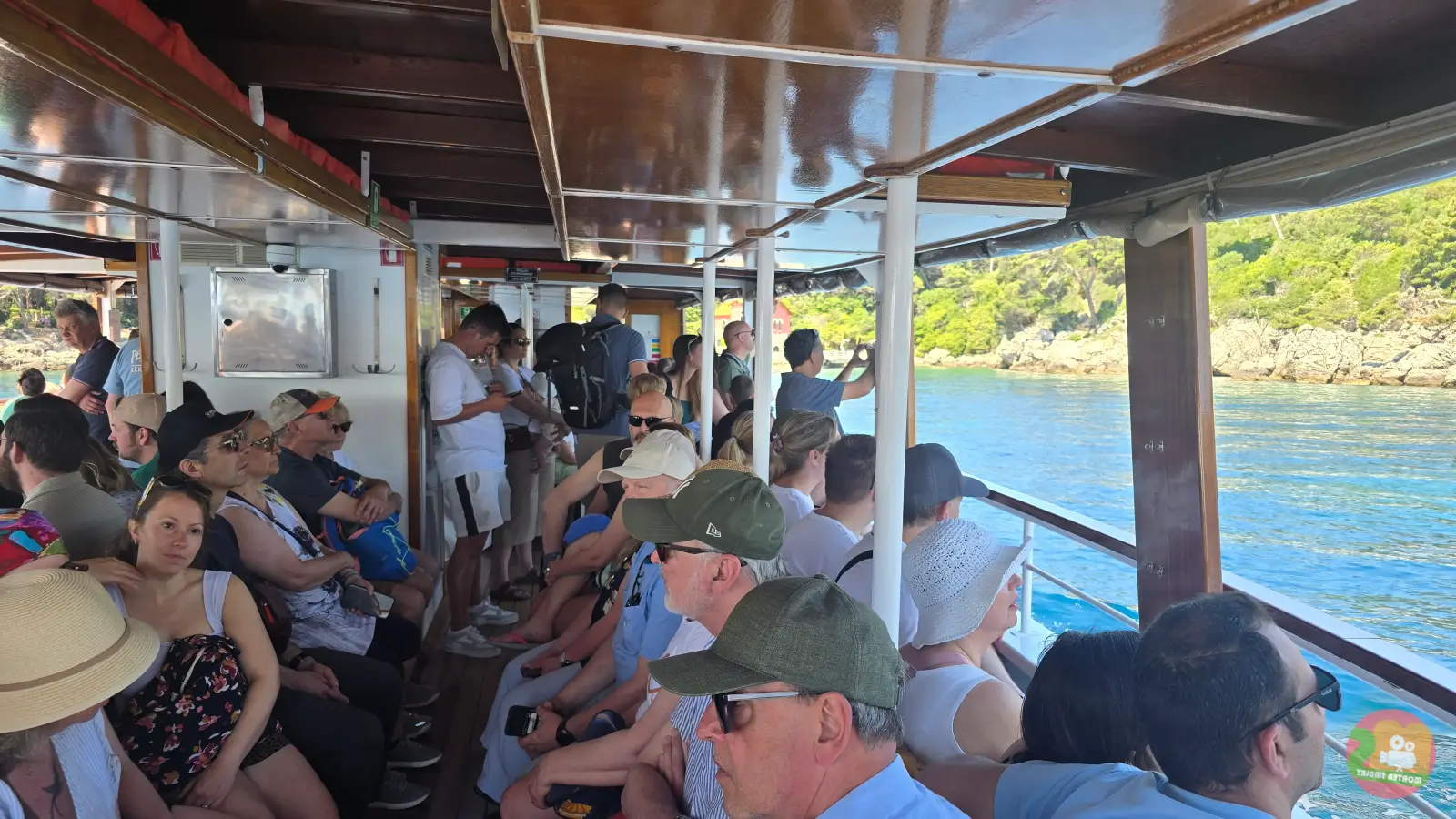
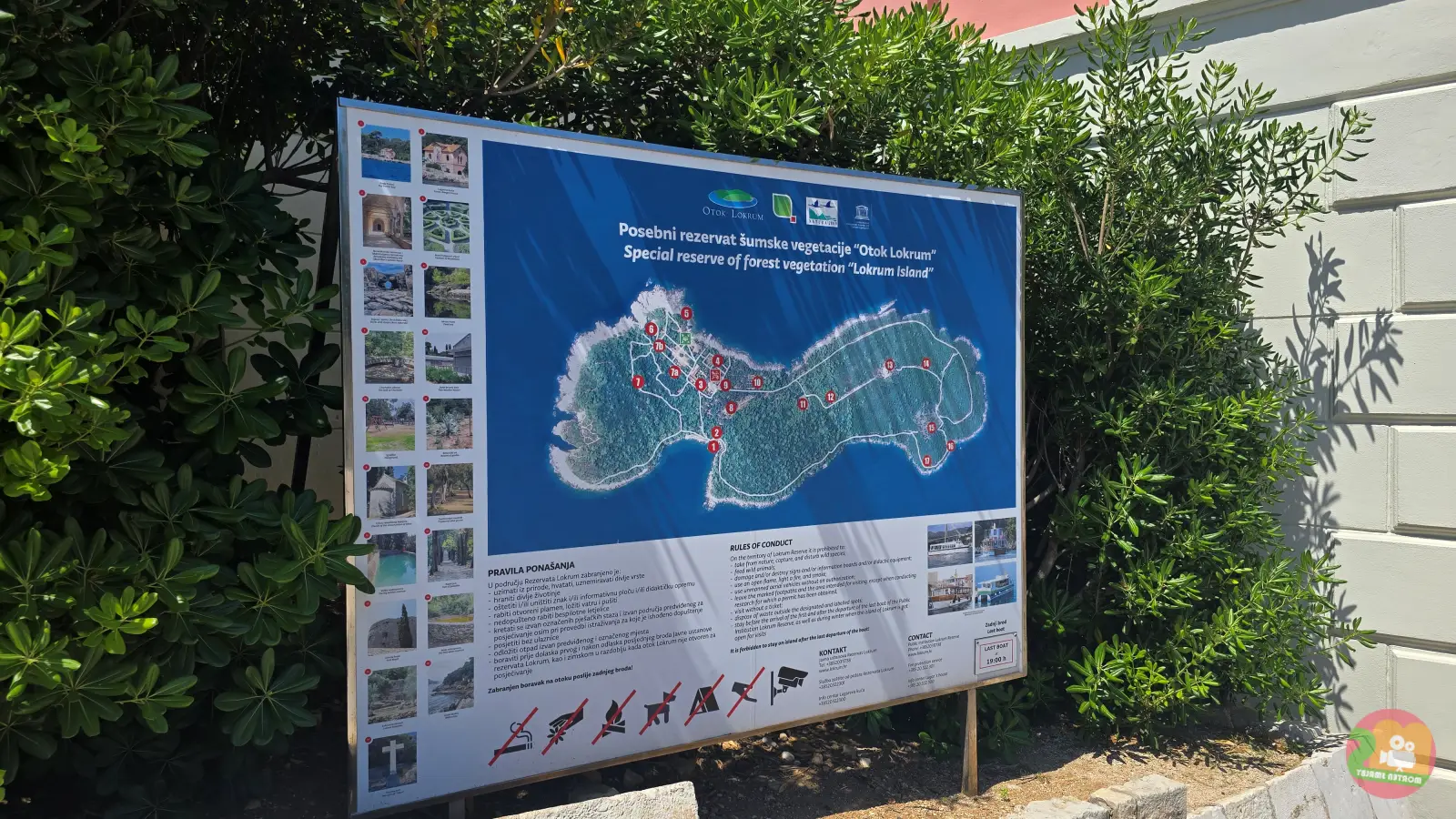
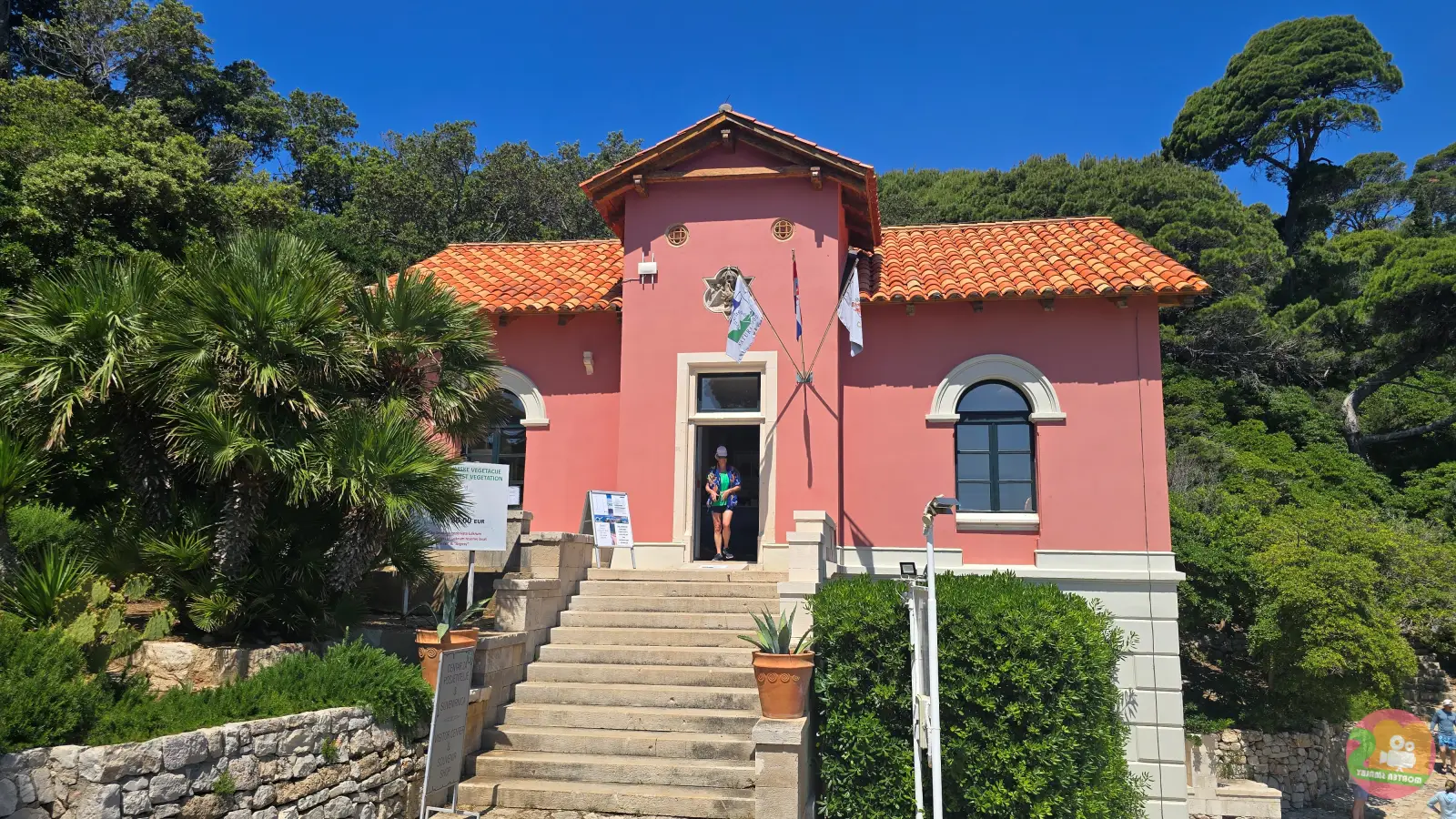
We took the boat from Dubrovnik, a pleasant 15-minute trip. Once on the island, we grabbed a map from the Forester’s House, the visitor center at the port. The map featured 17 marked points, and we decided to visit as many as possible.
You can watch the video we recorded here, and below you can read about our visit and whether it’s worth your while to visit Lokrum Island.
A bit about Lokrum
Lokrum is located 700 metres from the Dubrovnik Wall. The island is 0.7 km² in size, roughly 1.5 km long, and up to 500 metres wide. 90% of the surface of the island is green vegetation, which includes a botanical garden.
Lokrum Island is a special reserve of forest vegetation. It has been protected since 1948 under Croatia’s Nature Protection Act, making it the third oldest protected nature area in the country.
Lokrum and its waters are also protected as a cultural good and sit inside the highest “A” zone for complete protection of historical structures. Because it is so close to the UNESCO-listed Old City of Dubrovnik, special rules even limit big boats and yachts in the waters between the city and the island — but small visitor boats to Lokrum are still allowed.
A Benedictine monastery was founded on the island in 1023, and the monks inhabited the island until 1808.
In the period 1859–1867, the island served as a summer residence for the Archduke Maximilian Ferdinand of Habsburg and his wife Charlotte of Mexico; many of the structures, as well as the garden (later the Botanical Garden), were added in this period.
The practical stuff
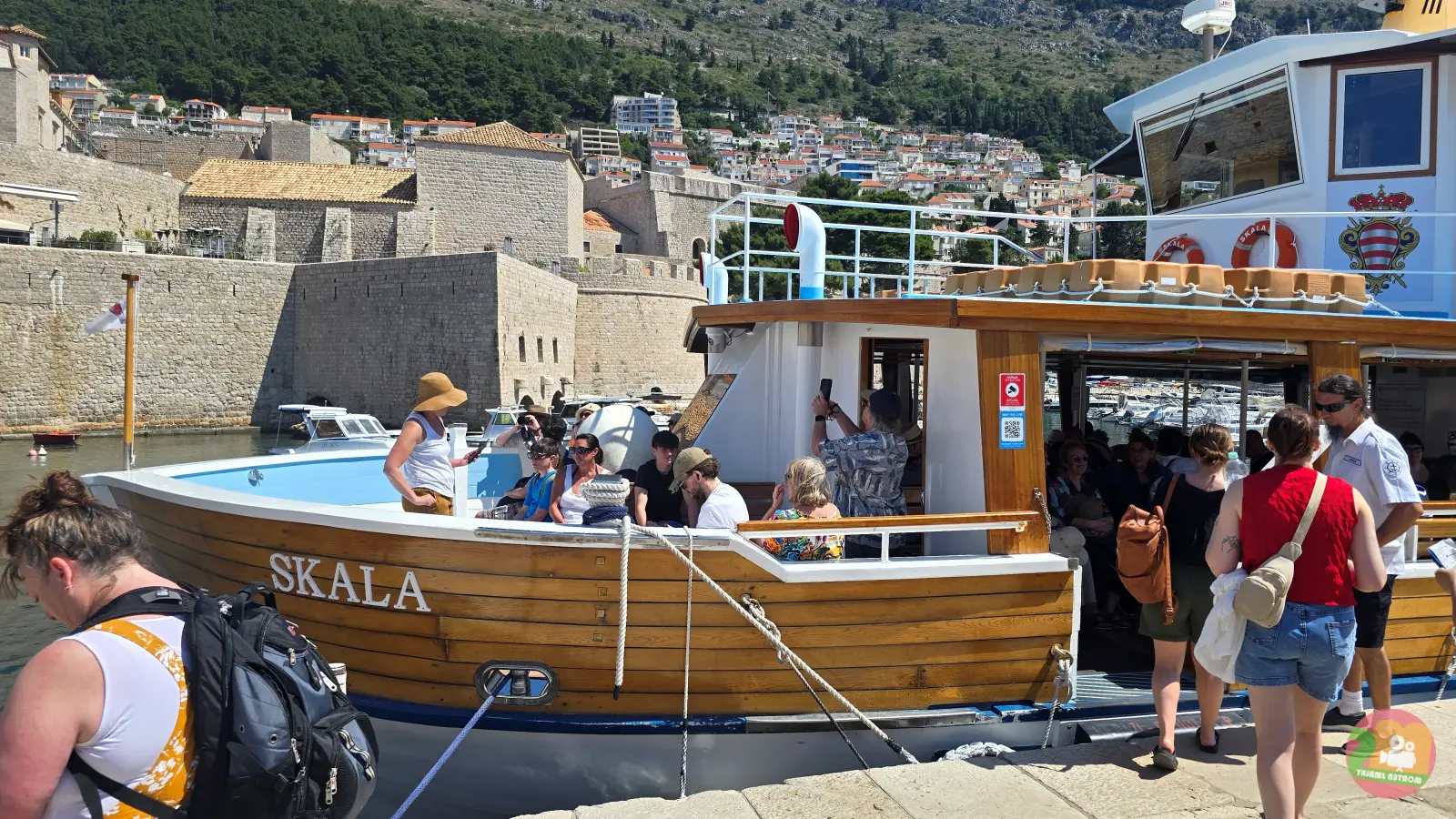
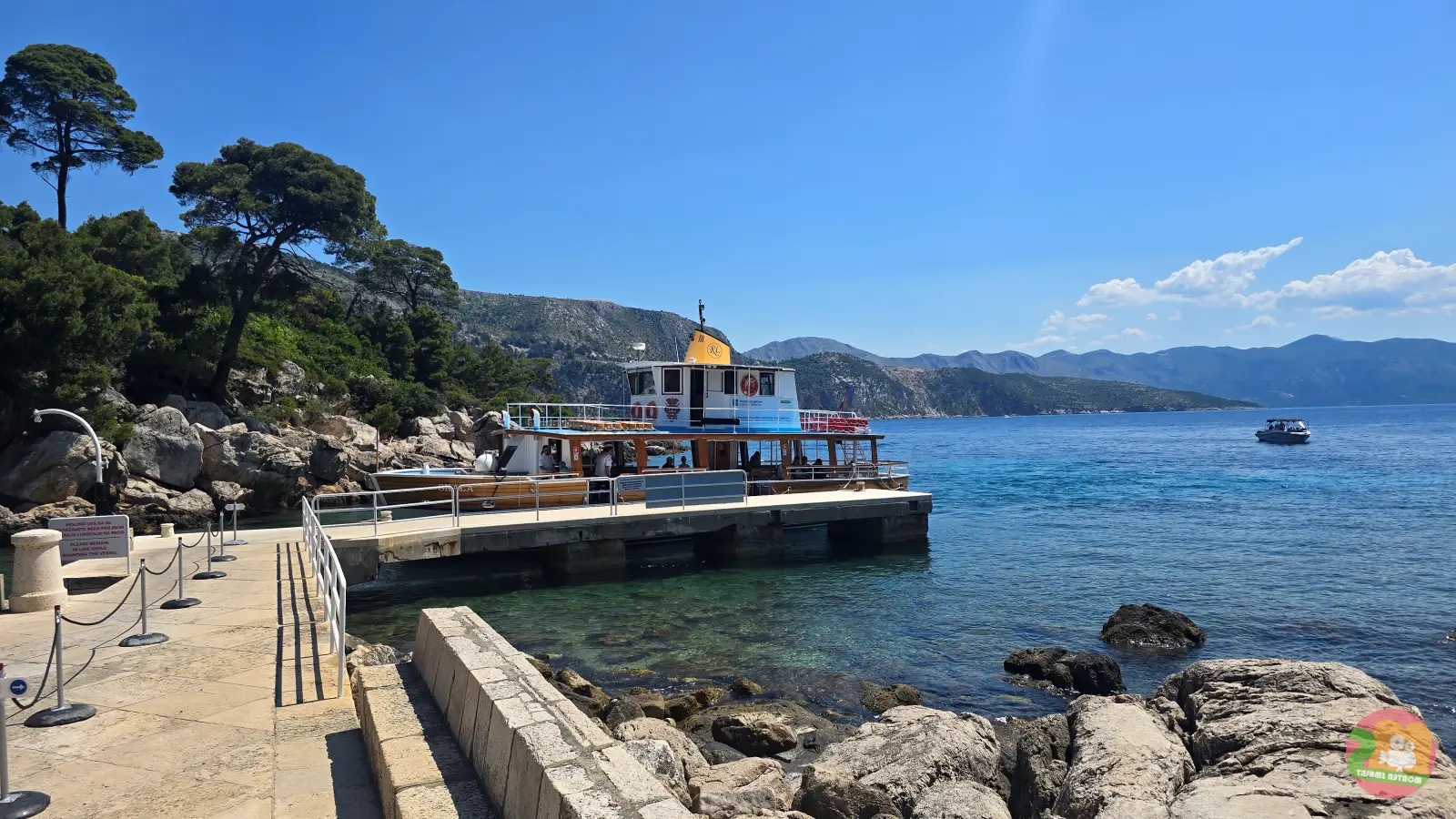
You can arrive at Lokrum by private boat or take the park boats from Dubrovnik, just as we did. In the main season, the park boats run from Dubrovnik every half hour between 9 a.m. and 7 p.m. (You can see the timetable here).
If you go with the park boat, you can buy your ticket at Luža (Old City port) or online to skip the queue. If you arrive by private boat, you can buy a ticket at the Forester’s House.
The adult ticket is €30, a child ticket (ages 7–18) is €5, and the student ticket is €10. These prices include the boat trip from Dubrovnik. You can check other ticket options on the Nature Reserve website.
You can buy drinks and food on the island. There is a coffee bar/bistro near the boat arrival point and at the Dead Sea, as well as a restaurant by the monastery.
Feeding the animals on the island is strictly prohibited.
Our Trip to Lokrum
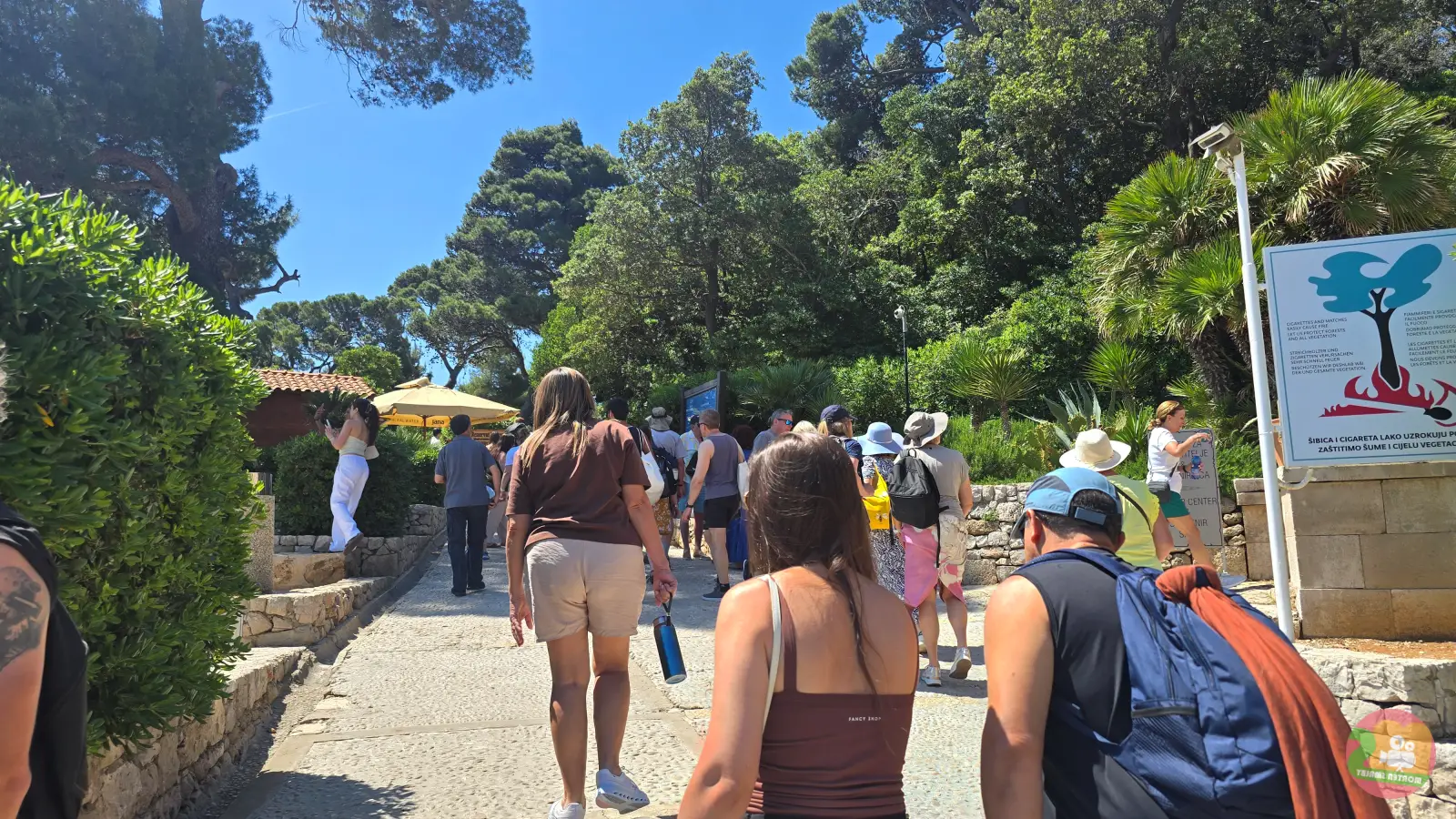
We took the 11 a.m. boat from the Luža port in Dubrovnik, and about 15 minutes later, we docked at the Bay of Portoč, the entrance to Lokrum Nature Reserve.
Once we had picked up the map at Forester’s House (the Visitor Information Center) with the 17 Points of Interest (POI), we started exploring the island.
First, we headed towards Fort Royal, a 19th-century fortress initiated when Napoleon ruled in the area and completed when the Austrians took over. On the way to the fortress, we checked off three other POIs:
- The Outdoor Classroom, used for nature education since 2019.
- The Big Water Reservoir, built to secure water for the summer season, is still used today by the island’s fire brigade.
- The Path of Paradise, a path built towards the fortress for Maximilian of Habsburg. Not sure why they called it the Path of Paradise — with that incline, I could think of a better name 😉
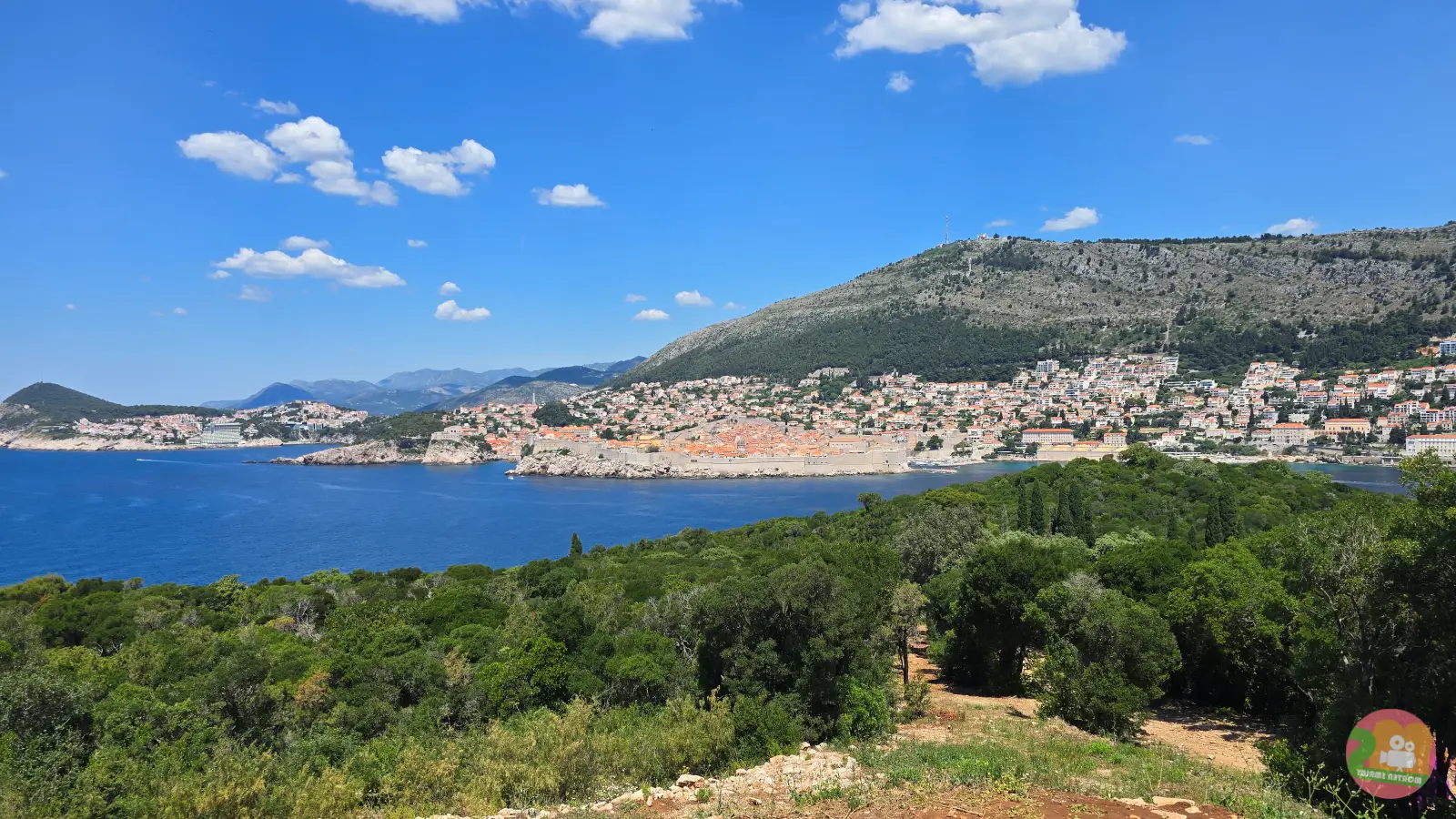
The walk to the fortress was tough in the heat, and I definitely recommend wearing good walking shoes. As we finally reached the fortress, we, of course, had to climb to the roof to enjoy the stunning view of Dubrovnik, which you can see in the photo here.
Our next destination was the Lazaret, so we took another path down from the fortress. The pavement on this path was even worse!
On the way, we passed the Little Water Reservoir, another of the 17 POIs on the national park list (there were goldfish in the reservoir, so I’m not sure if it is still in use today).
The Lazaret was much bigger than I expected, and the stone wall surrounding it reached up to 3 metres high. It was constructed between 1534 and 1557 as protection against infectious diseases during the Dubrovnik Republic. However, the Lazaret was never completed for strategic reasons. (Apparently, the Republic preferred its lazarets elsewhere.)
After visiting the Lazaret, our next point on the list was the Botanical Garden, so we first had to walk back to the Forester’s House and Bay of Portoč, two other POIs.
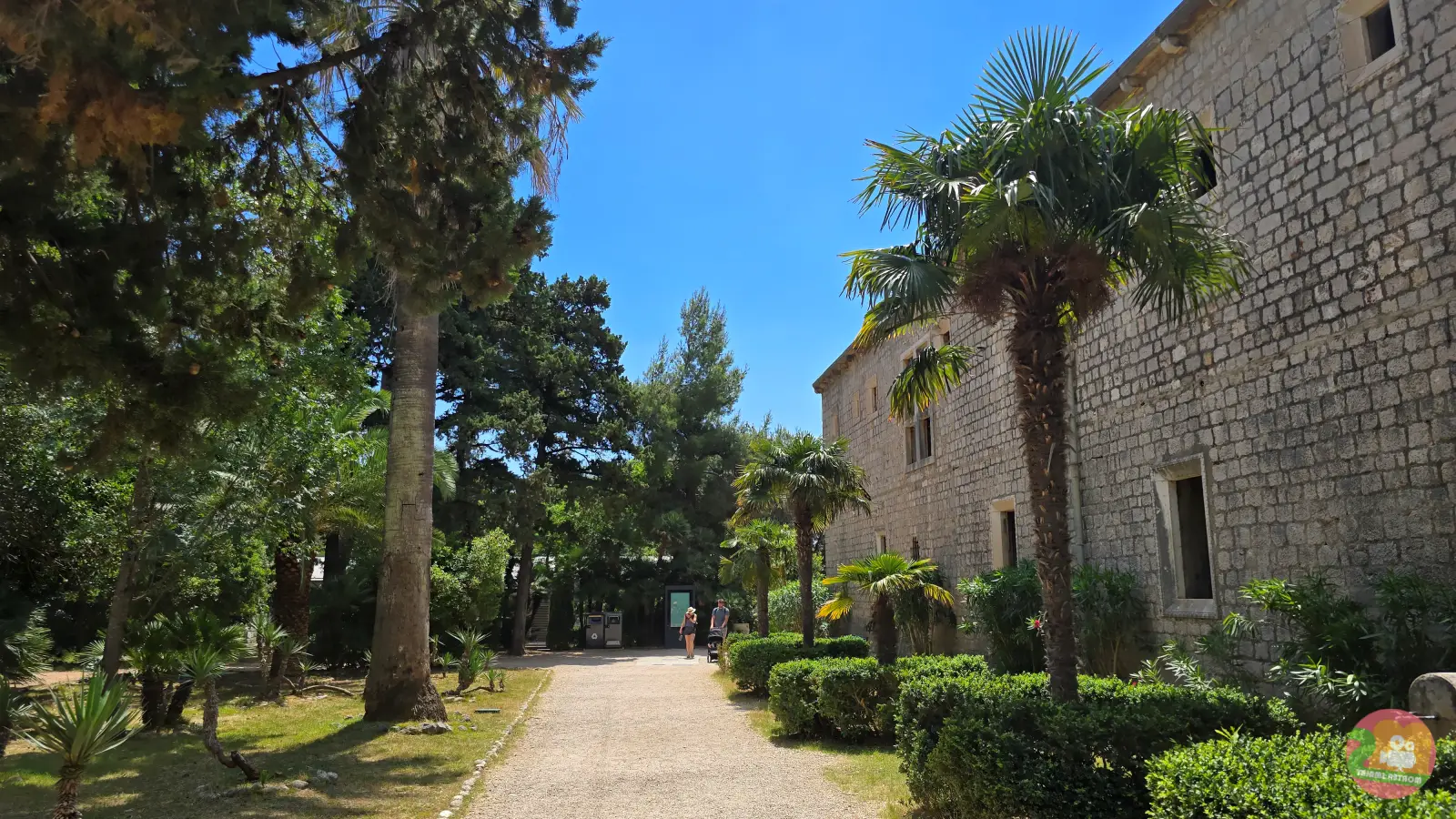
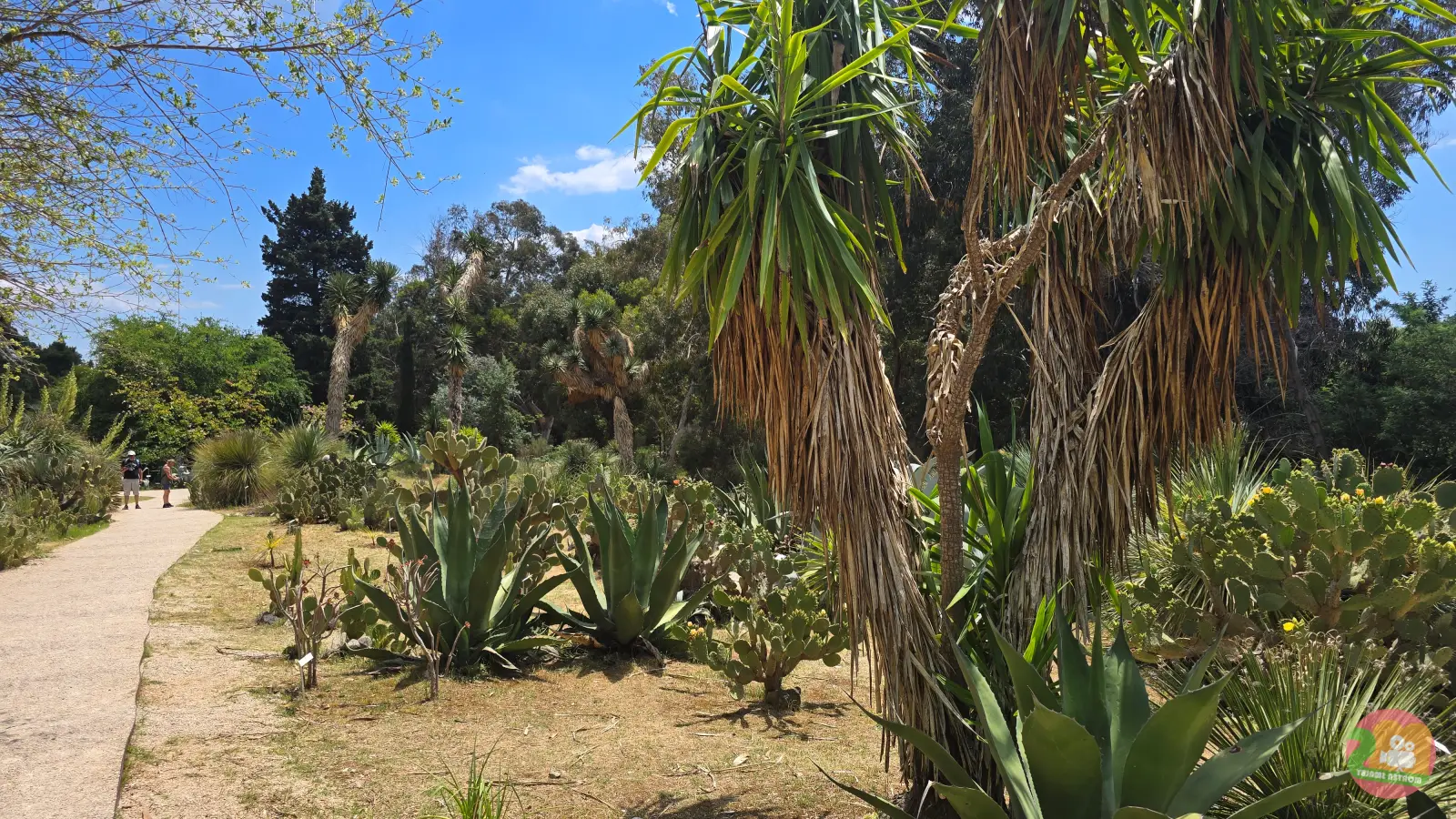
The botanical garden features plants from all over the world. We saw specimens from China, Japan, Korea, Mexico, and several South American countries. I was particularly impressed by the variety of palms and cacti.
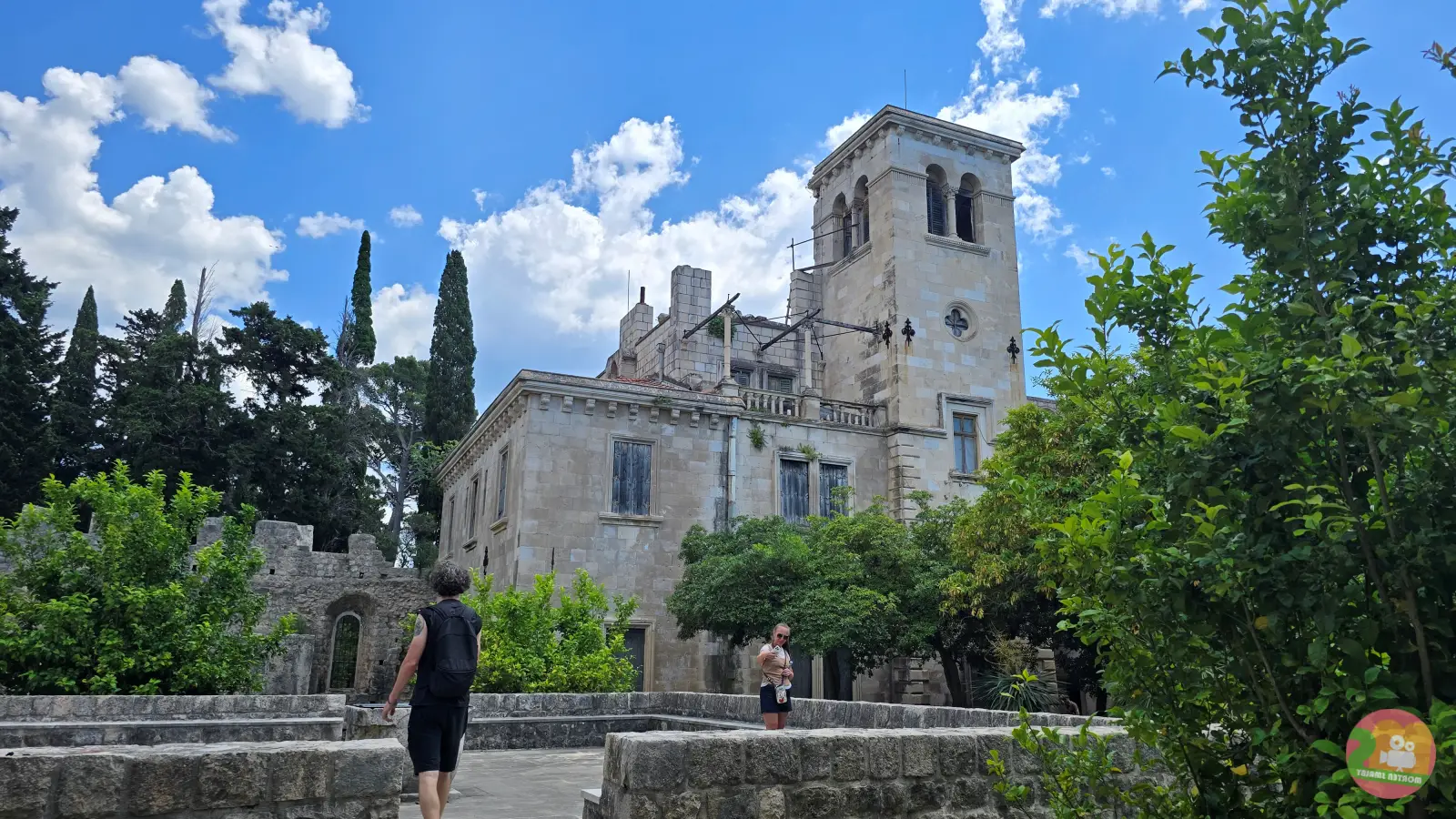
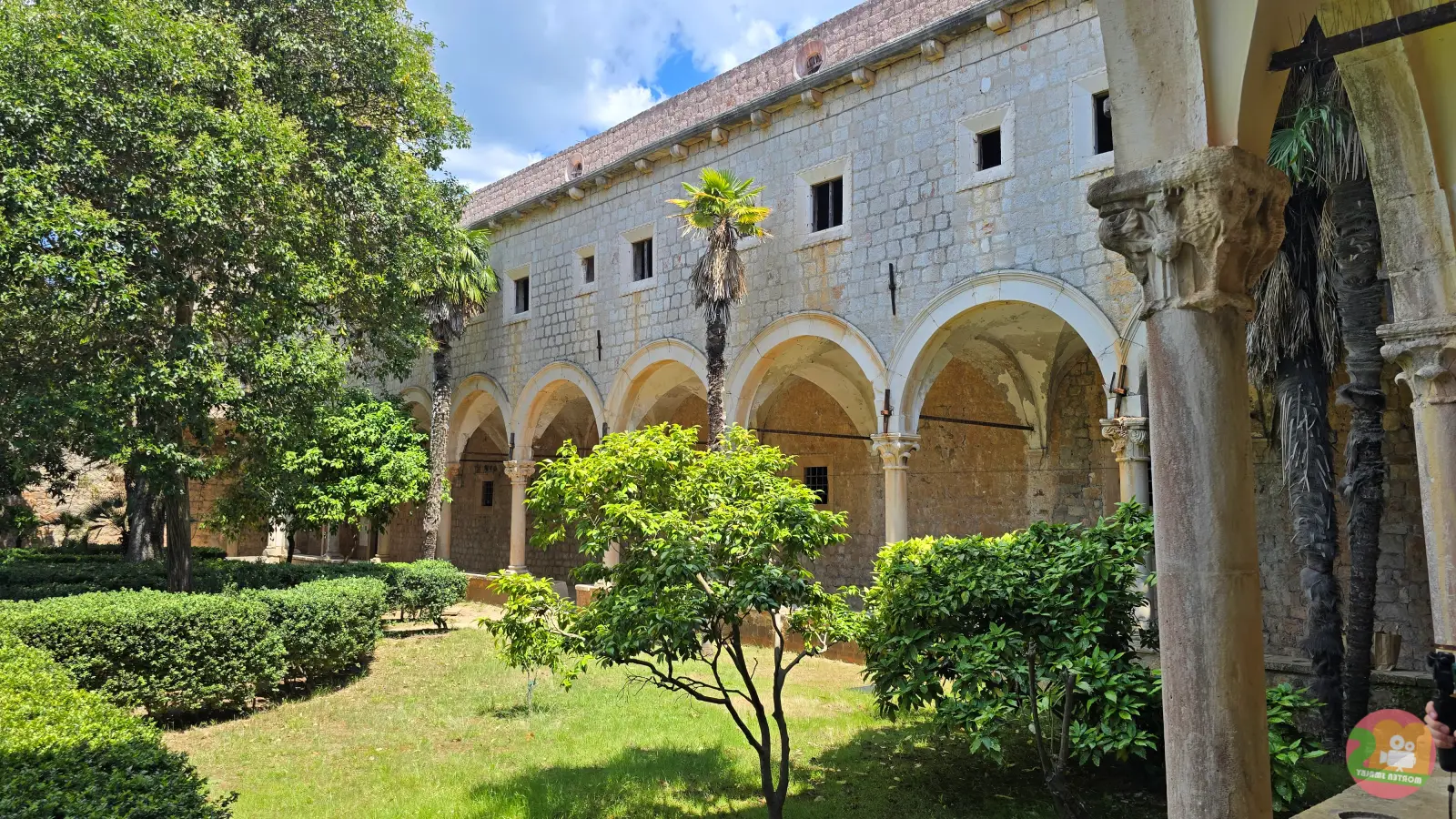
Next on our list was the island’s main attraction — the monastery complex. It consists of the remains of a basilica, the original monastery and garden, as well as the buildings and gardens added for Maximilian and his wife, plus the mill building (another POI).
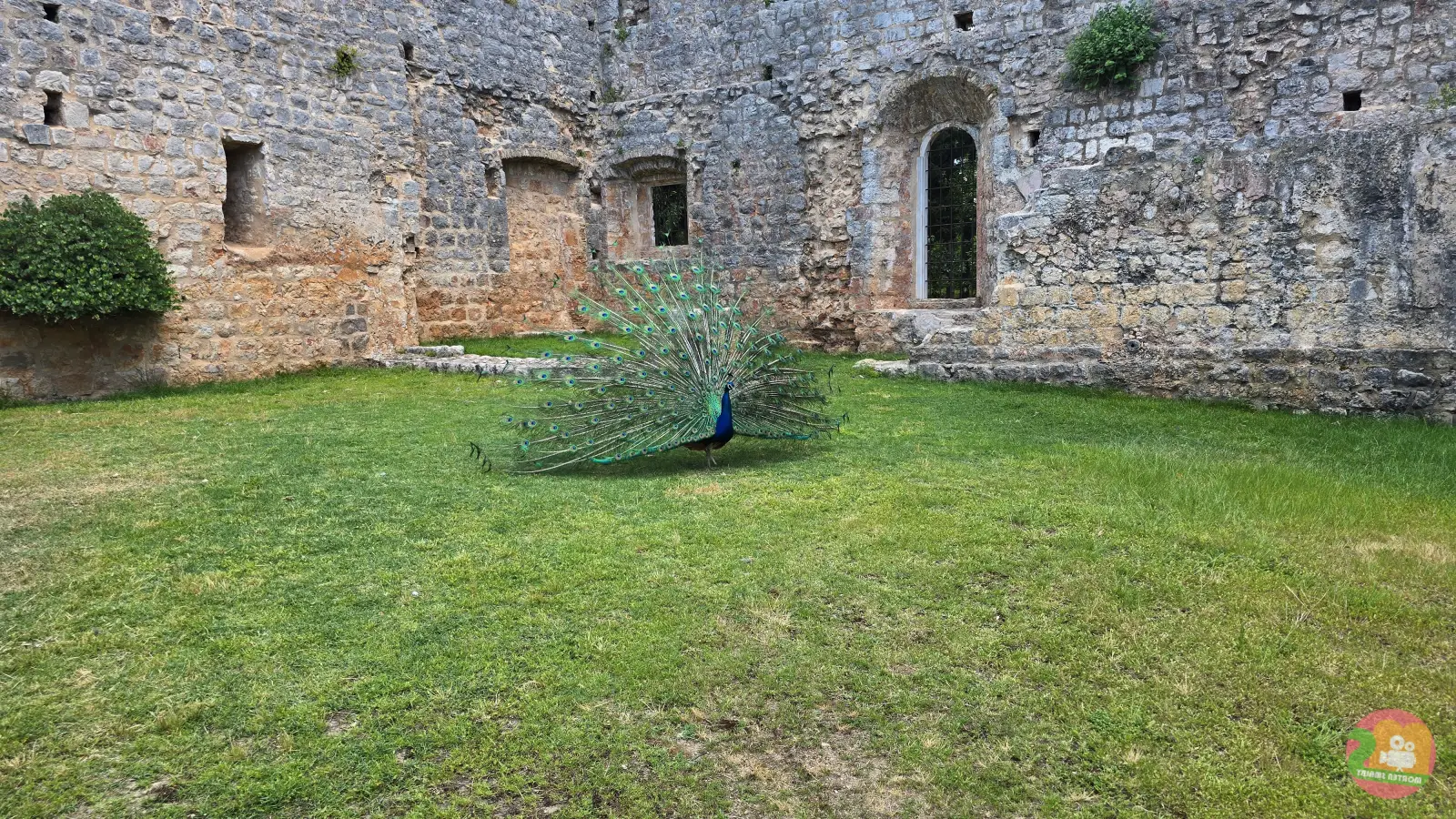
At the monastery, we visited the different buildings, including the museum. Lokrum was one of the filming locations for Game of Thrones, and the museum displays a replica of the Iron Throne — you can sit on it and take a photo, which is included in your ticket. We encountered our first peacocks, which were introduced to the island by Maximilian. Today, they roam freely on the island, enjoying a peaceful life with no natural enemies. As you can see in the photo below, they were eager to show off their beautiful feathers.
After exploring Maximilian’s Garden, we headed towards the Dead Sea. On the way, we passed the Barracks, another POI. I’m not entirely sure why they’re on the list — the Barracks looked surprisingly modern to me 🤔. We also walked by a football field and an outdoor gym, which I assume were added recently.
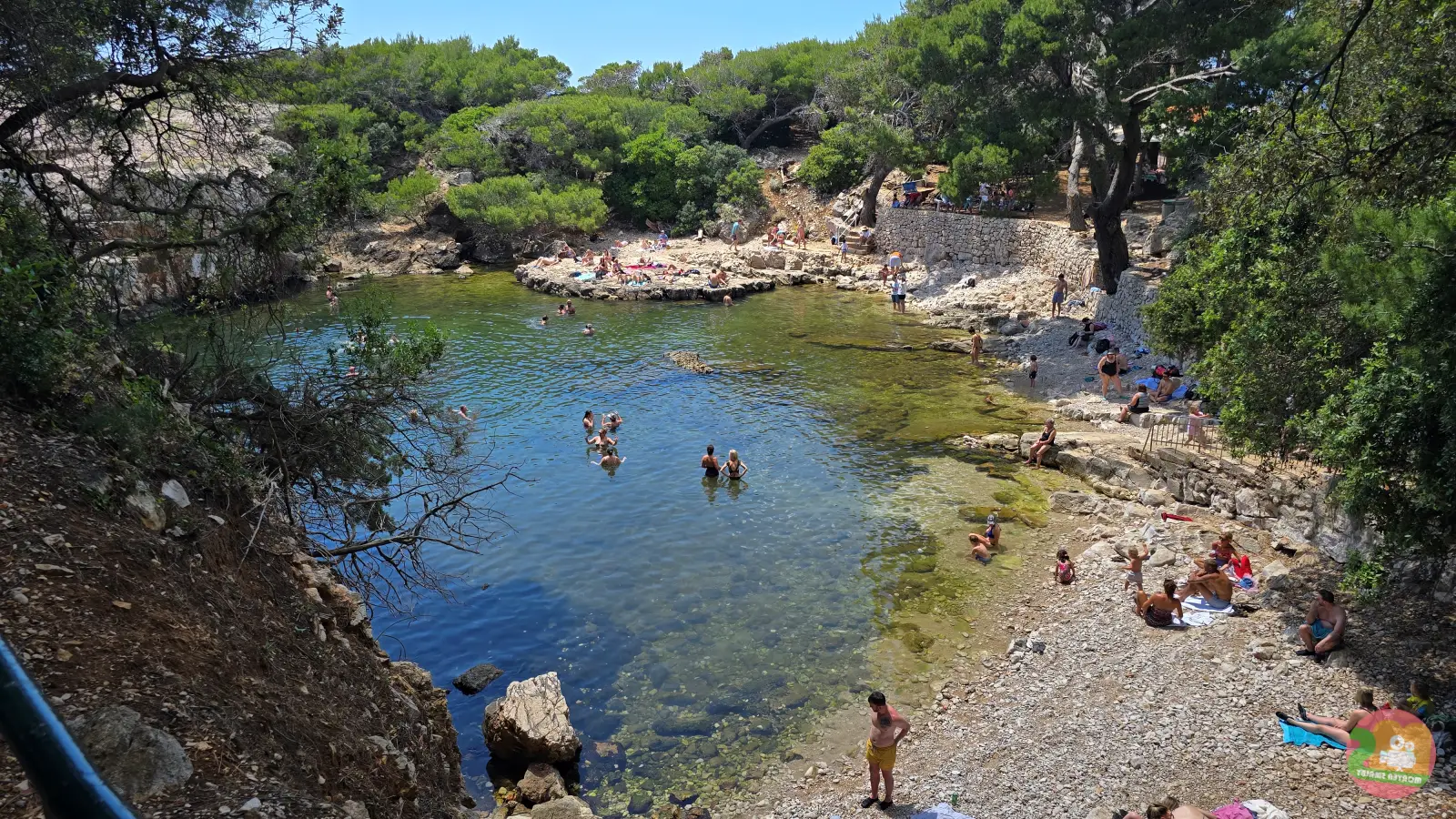
The Dead Sea (Lokrum’s popular bathing spot) is a saltwater lake connected to the open sea via underwater channels. Thanks to its relatively high salt content, floating is easy. As you can see in the photo below, several people were sunbathing and swimming there.
In the area around the Dead Sea, we checked out the other POIs before heading back to the Bay of Portoč to catch the boat back to Dubrovnik.
In total, we managed to see 14 of the 17 POIs. We intentionally skipped two and were unable to find Charlotte’s Well, despite checking the signage and map. I’m not sure if it was due to a lack of Boy Scout skills on our part or if the signage could be improved.
My Thoughts About Lokrum
We spent 2 hours and 30 minutes on the island and walked more than 12,000 steps, so it was a very active visit.
Recommendation: Unless you’re really into exploring, I suggest skipping the Fort Royal and Lazaret area — there’s too much walking in the summer heat, and ideally you need sneakers or hiking shoes for this part.
I particularly liked the Botanical Garden and the Monastery complex. Together with the area around the Dead Sea, these are the must-see spots if you’re short on time.
Is the €30 entrance fee worth it? Hmm… Compared to €40 for Plitvice Lakes or Krka National Park, I found it a bit high. €20 would feel more reasonable. That said, the boat trip is included, so it’s not entirely unfair.
If I visit Lokrum again, I will definitely bring a towel and swimsuit. Spending a more relaxing day on the island would make the price feel much more justifiable.
If you enjoy escaping the crowds of Dubrovnik by boat, you have a couple of other options from the Old Port besides Lokrum. You can take a boat along the coast to Cavtat, a charming small town south of Dubrovnik, or stop at Mlini, a small seaside village on the way. I have written about both, so check out my articles if you’re planning more day trips in the area.