My first visit to Bol was back in June 2006. I was living in Split and went on a Golden Horn beach trip with family and friends. At the time, getting there was a real commitment — you had to take the car ferry from Split to Supetar, then travel across Brač by car or bus to reach Bol on the other side of the island. It took the better part of a morning, but nobody seemed to mind. The reward at the end was worth it.
That first visit stuck with me, and I have been going back ever since.
A Place That Has Grown With Me
Over the years, I have visited Bol many times and in many different contexts — beach days with friends, small island holidays, group excursions, and even a conference once. Bol is one of those places that works for almost every occasion. It is lively enough to keep you entertained but relaxed enough to properly unwind. That balance is harder to find than people think.
Working with tourism in Split, and dealing with the ferry companies on a regular basis, I have had a front row seat to just how dramatically Bol’s popularity has grown. When I first went in 2006, it was a destination that required a bit of planning and effort. Today, fast ferries run directly from Split to Bol multiple times a day, and the town is firmly on the radar of visitors from across Europe. The infrastructure has kept up, which is not always a given in Dalmatia.
The Most Recent Visit
For the video above, we spent three days in Bol — long enough to really settle in and explore properly rather than rushing through the highlights.
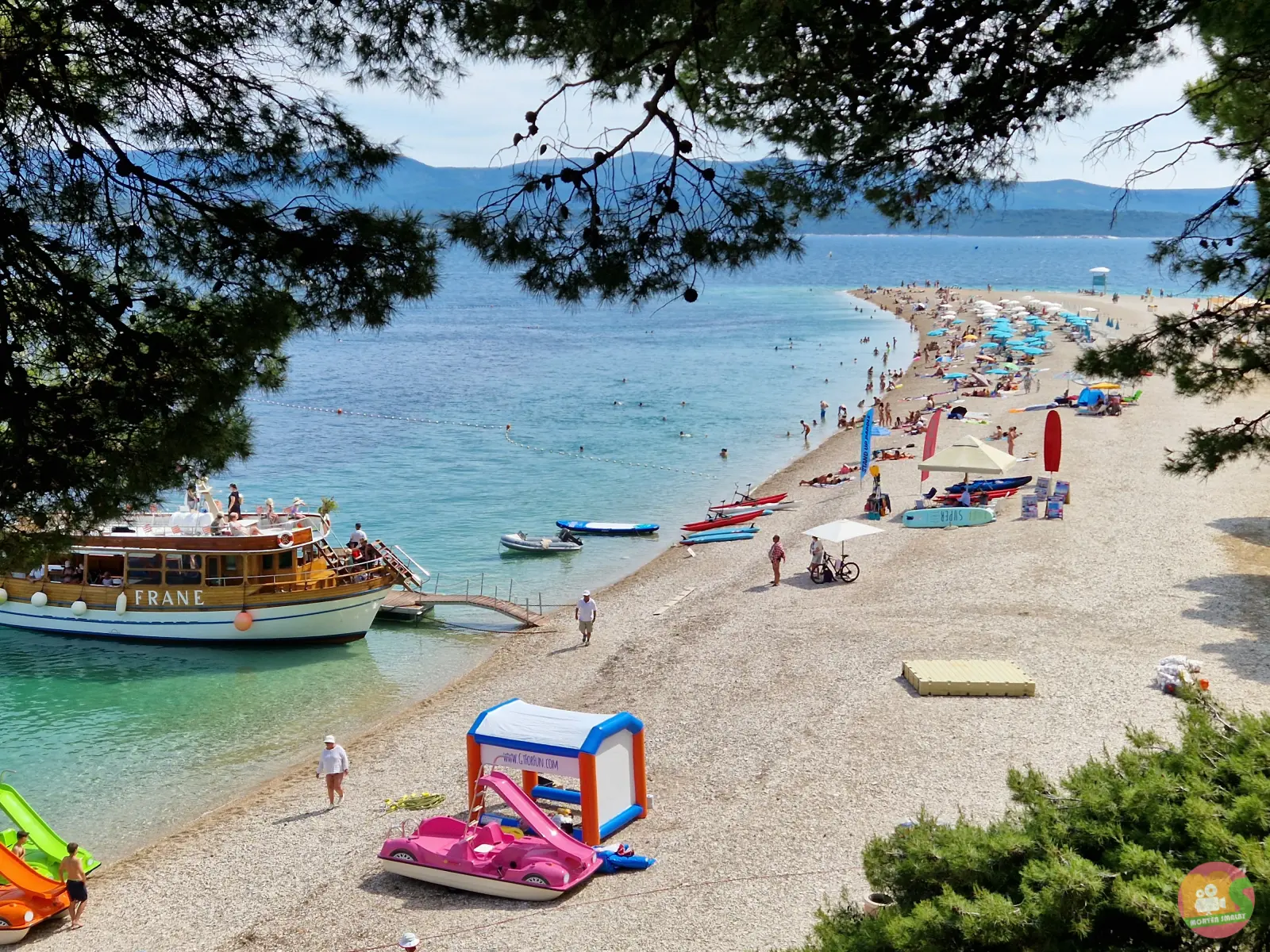
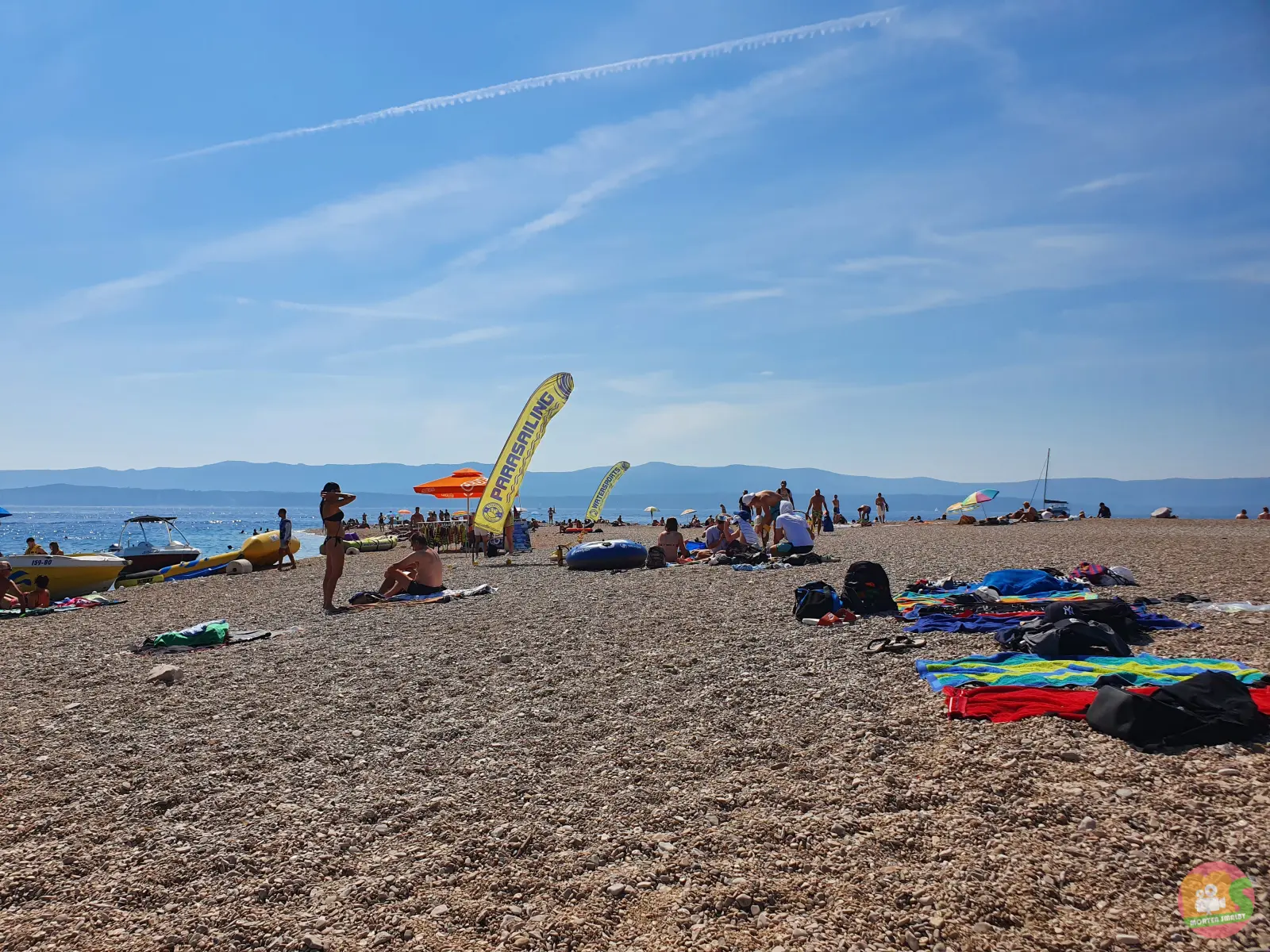
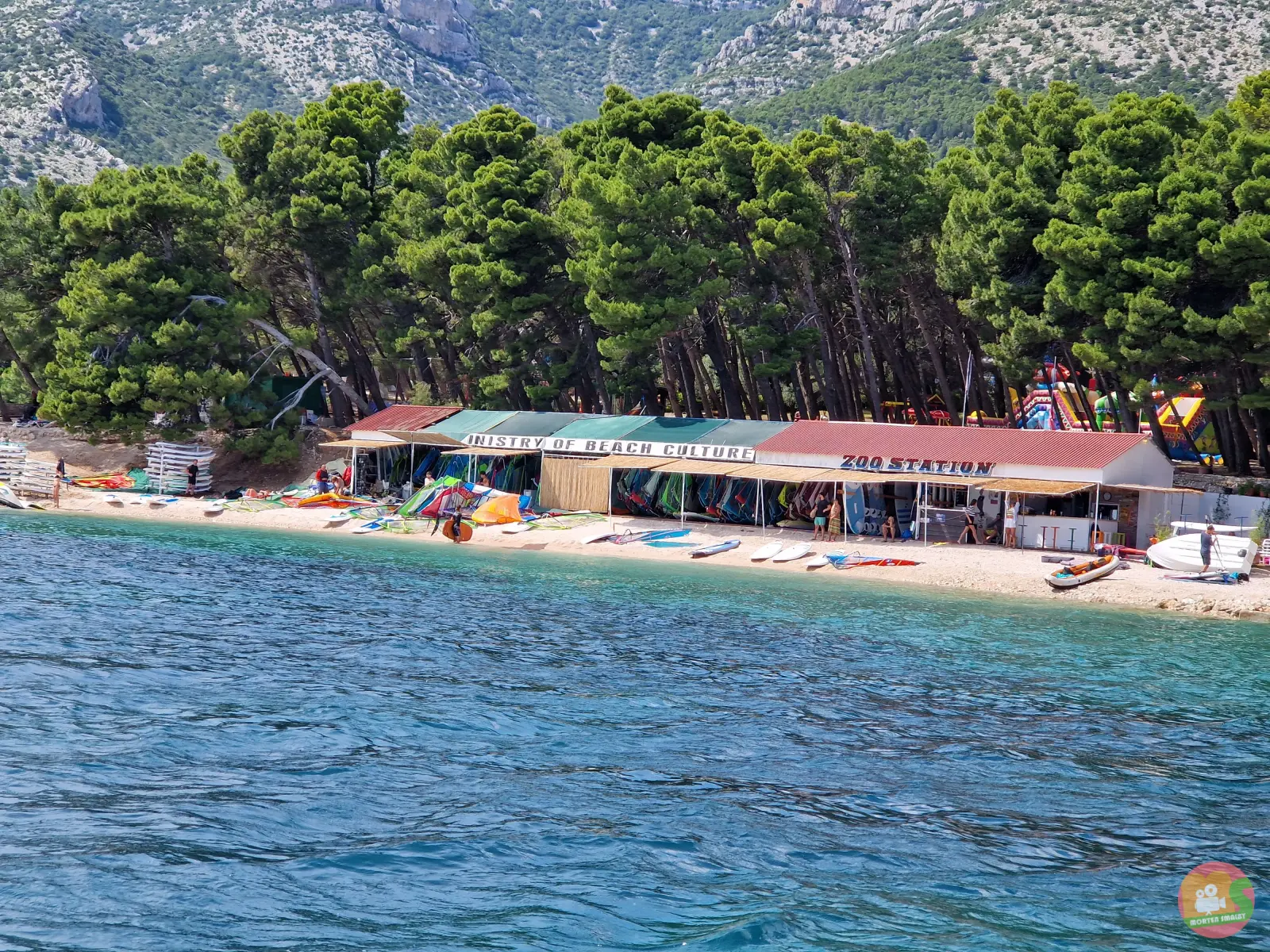
We visited Zlatni Rat, of course. You essentially have to — it is one of those beaches that lives up to the hype, which is rarer than it sounds. The shape of the cape shifts depending on the currents, the water is crystal clear, and the pine trees lining the back of the beach give it a character that most Dalmatian beaches simply do not have.
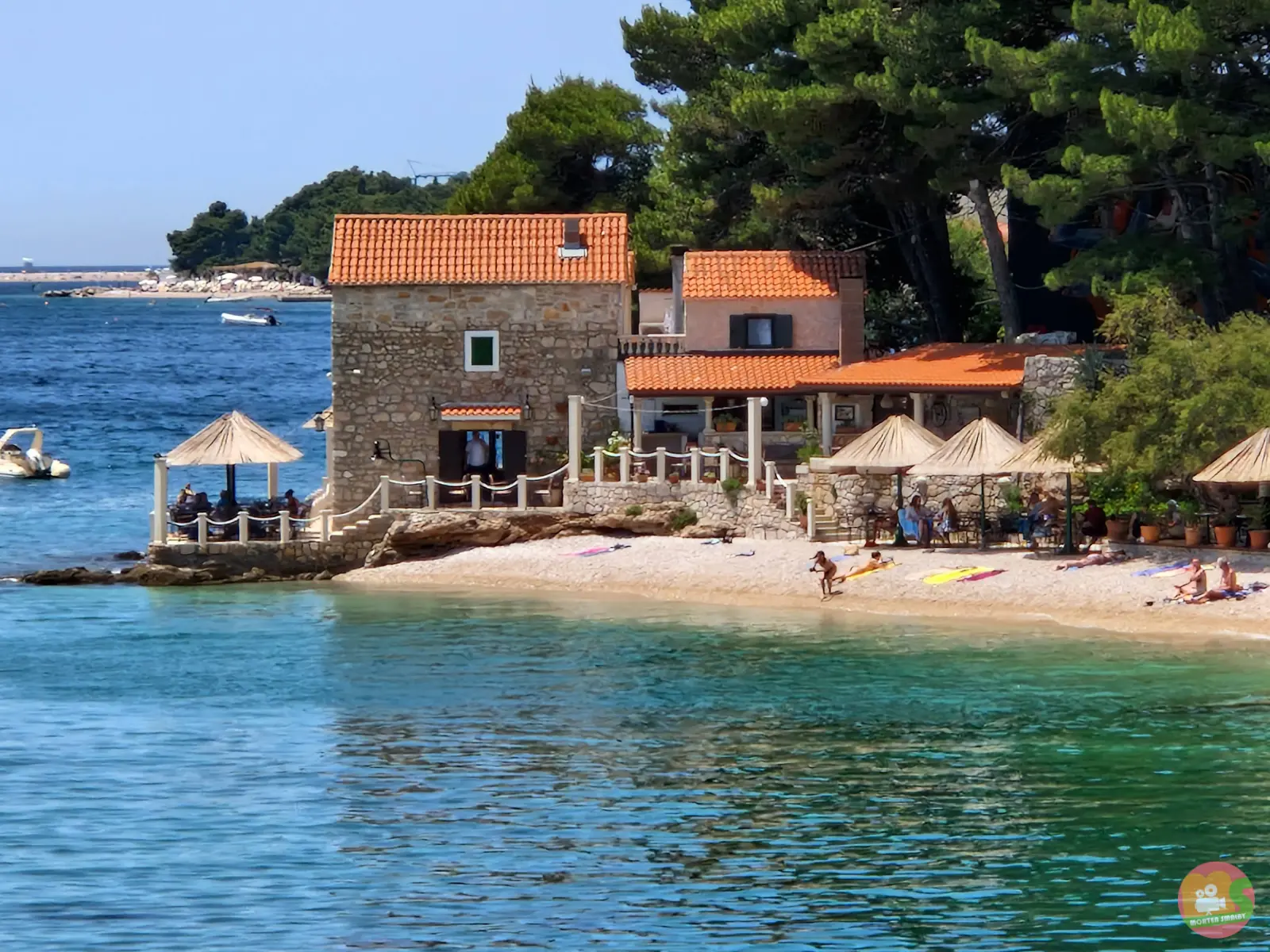
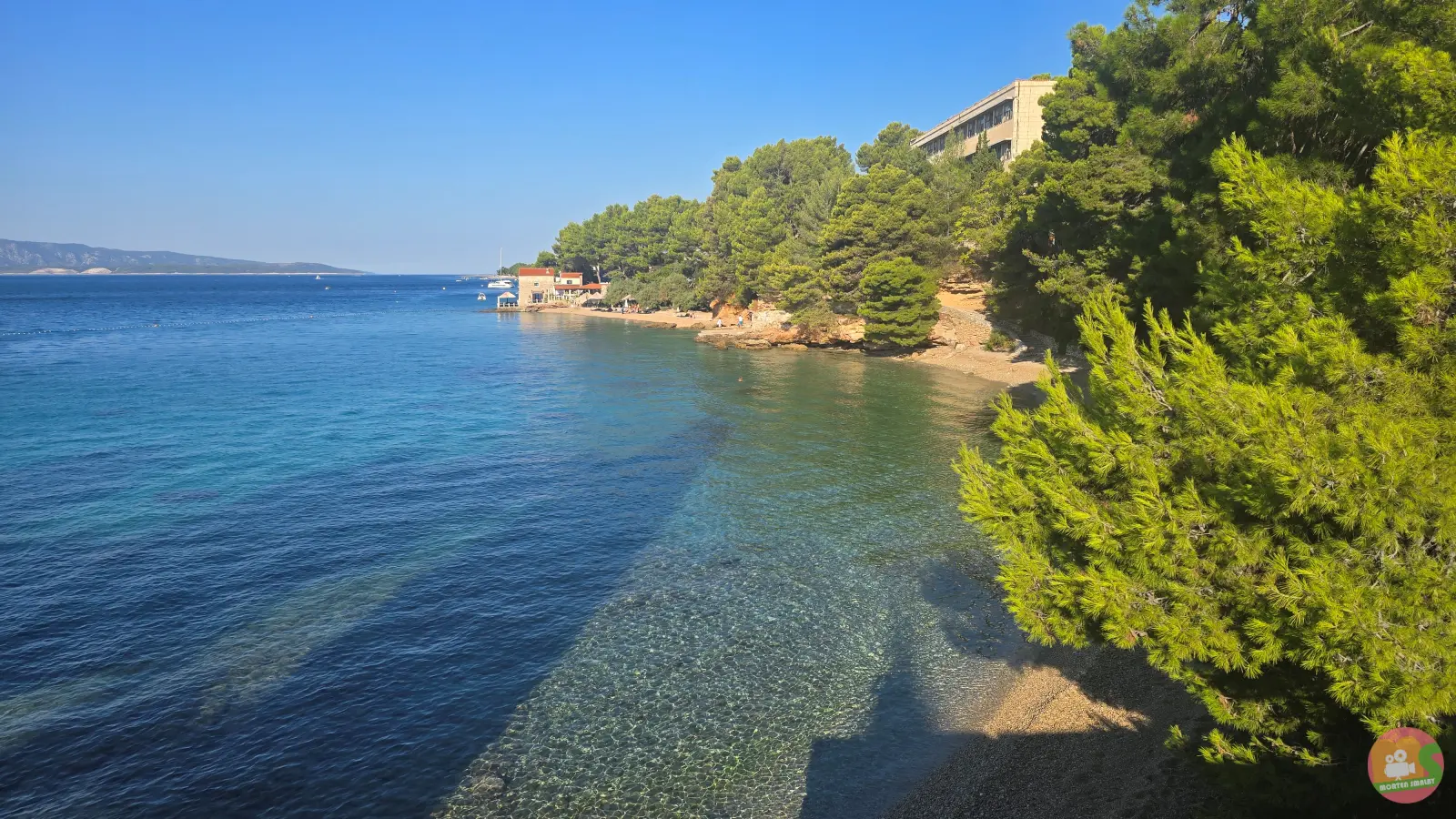
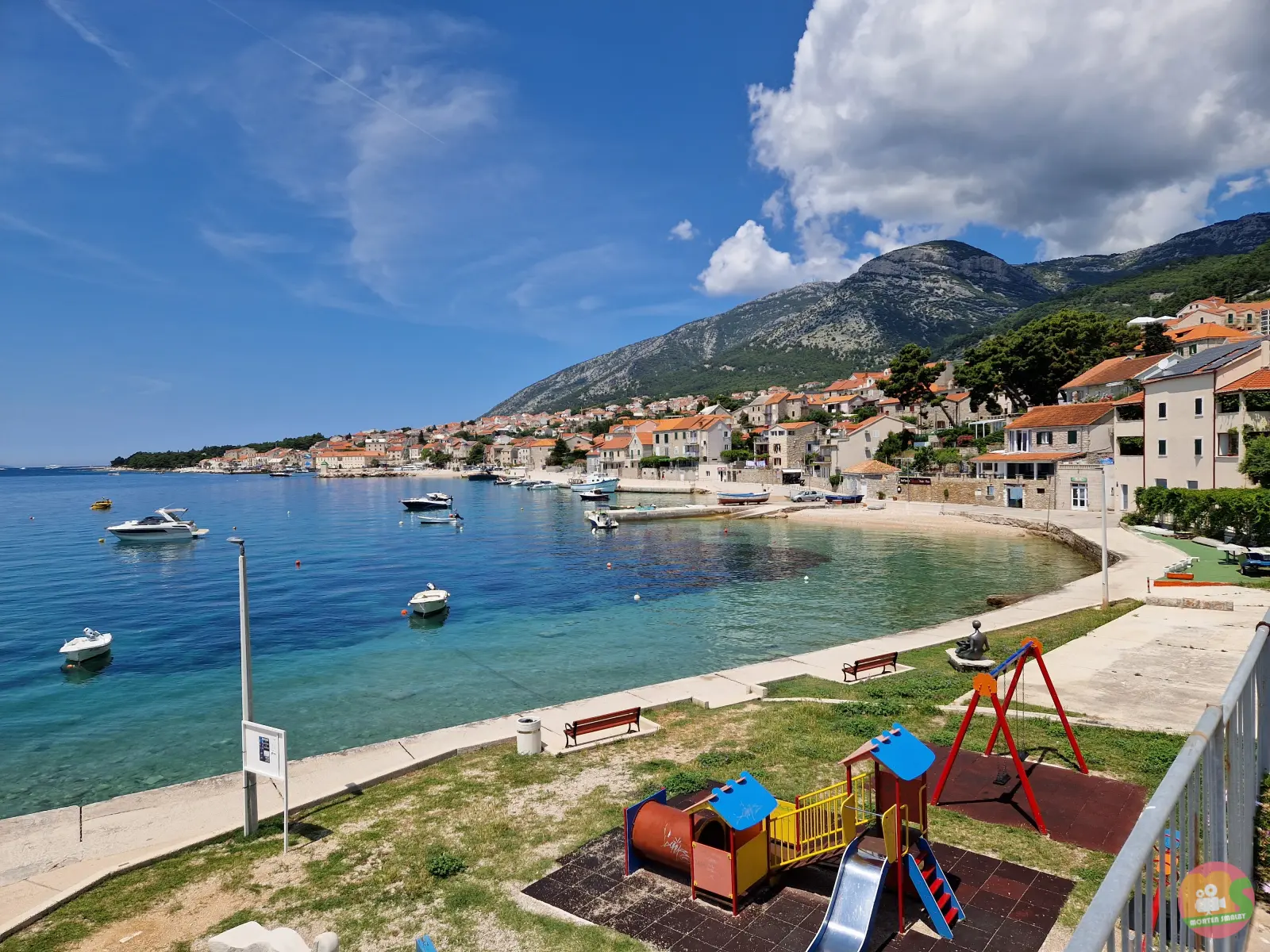
We also visited Kotlina Beach and Martinica Beach, both located near the Dominican Monastery on the eastern edge of town. They are less visited than Zlatni Rat, which already makes them more appealing in peak season — calm water, beautiful surroundings, and noticeably fewer people. A great alternative if you want to escape the main crowd without going far.
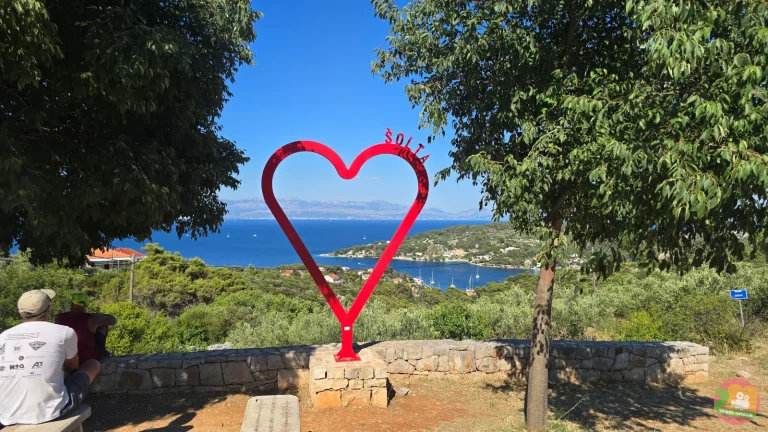
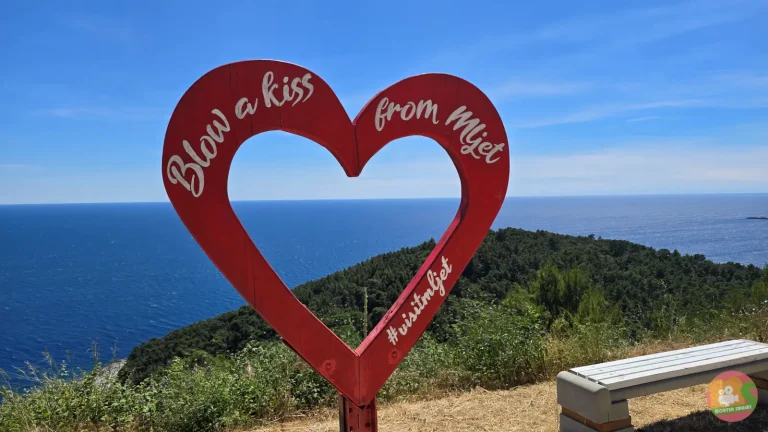
We also drove up to Vidova Gora, the highest point on the island at 778 metres. The views from the top are genuinely extraordinary — on a clear day, you can see Hvar, Korčula, and all the way to the mainland. It does not take long to get up there by car, and I would recommend it to anyone spending more than a day on Brač. It puts the whole island in perspective in a way that no amount of beach time can.
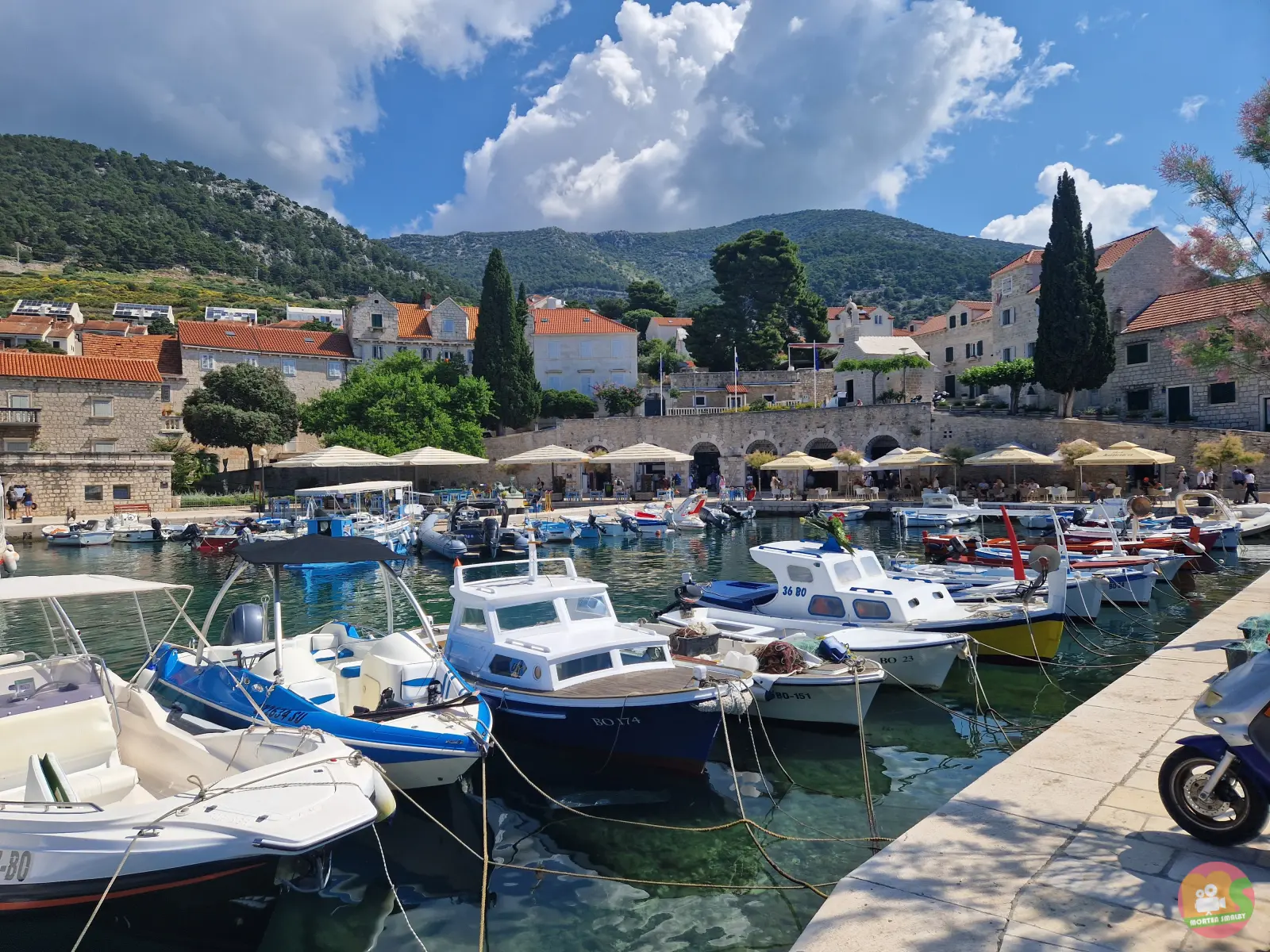
Wednesday on the Promenade
One of the highlights of that stay was completely unplanned. On Wednesday, there were food stands set up along the promenade, and we stopped for grilled fish. Simple, fresh, cooked properly — exactly the kind of meal that reminds you why eating well in Dalmatia requires almost no effort if you are in the right place at the right time. I would not have planned that into any itinerary, but it ended up being one of the best meals of the trip.
Sailing with Milan from Excursion Boat “Veli”
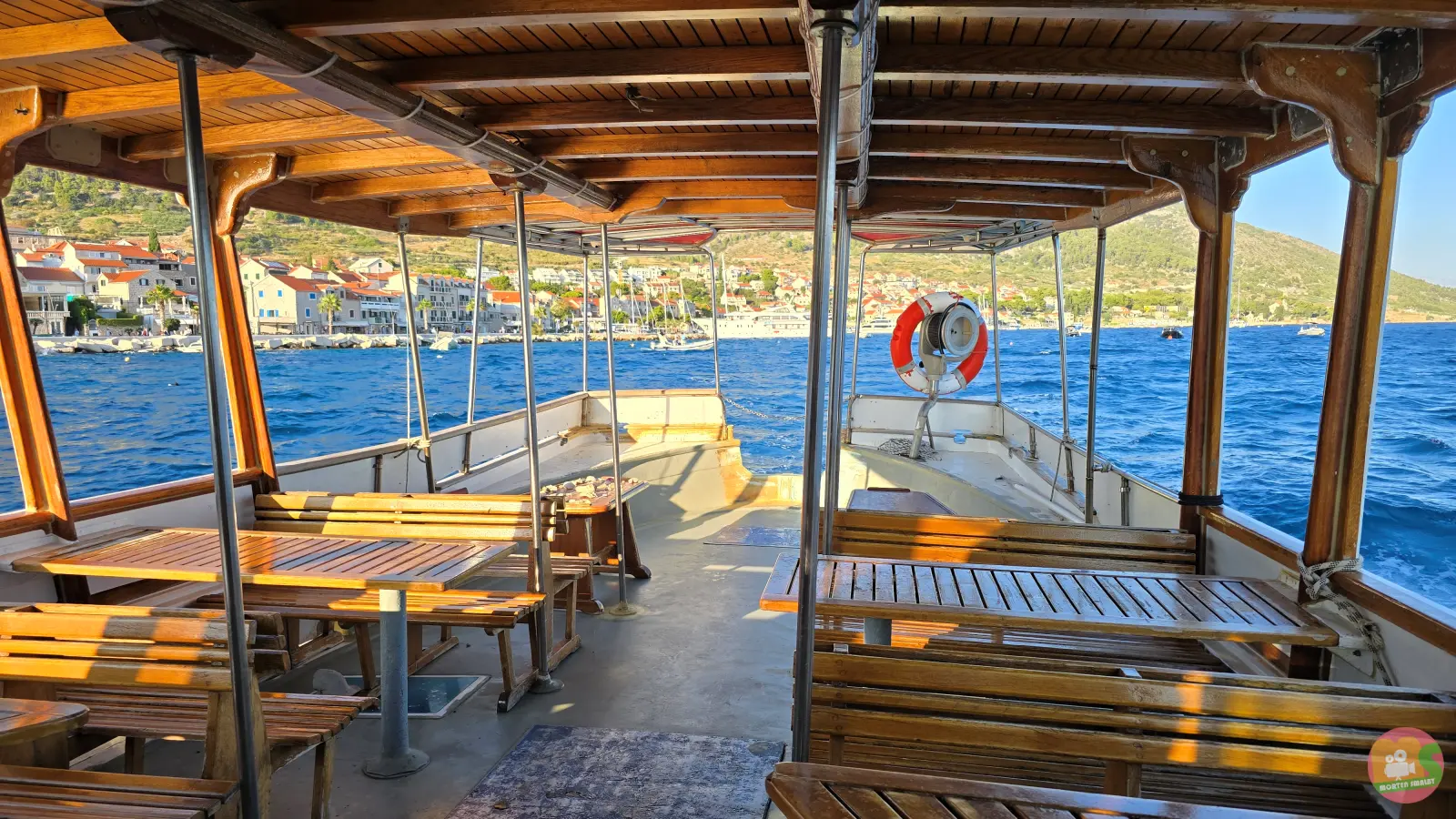
The other standout from this visit was a sailing trip we did with Milan, the owner of the excursion boat Veli, based in Bol. I will be honest — I have done a lot of boat trips along the Dalmatian coast over the years, and a lot of them blur together. This one did not. It was just a fantastic experience, and Milan clearly knows what he is doing. We are going to make a separate video about that trip, so keep an eye out for that one.
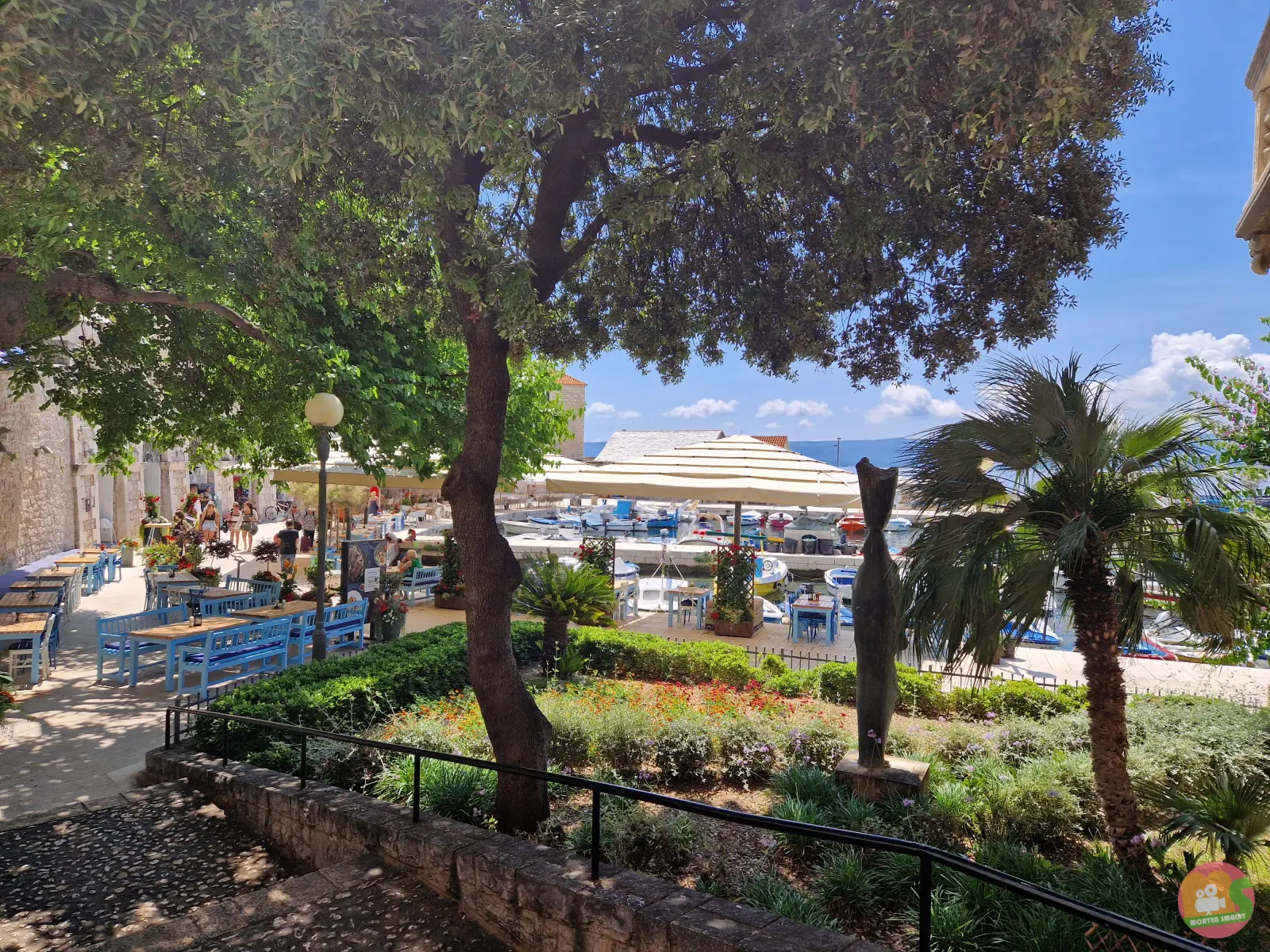
Beyond Bol — Exploring the Rest of Brač
One thing I always try to remind people is that Bol is a great base for exploring the wider island. Brač is one of the larger Dalmatian islands and has a lot going on beyond its most famous beach. Over the years, I have visited and filmed almost every corner of it — and I mean that fairly literally.
Blaca Monastery is one I have visited several times. It is a hermitage carved into a canyon on the south-facing side of Brač — remote, dramatic, and unlike anything else in Dalmatia. Getting there requires either a hike down through the canyon (40 minutes hike) or, in some seasons, a boat approach from the sea (Also 40 minutes hike). The monastery dates back to the 16th century and was inhabited until the 1960s. There is an observatory inside that always surprises visitors. It is not the easiest place to reach, but that is exactly what makes it special. Half a day well spent.
Vidova Gora, I already mentioned from our most recent visit, but it is worth repeating here — at 778 metres it is the highest point on all the inhabited Adriatic islands, and the view takes in the entire island, Hvar, and the open sea beyond. Easy to reach by car from Bol, and the kind of thing that takes less than an hour but stays with you.
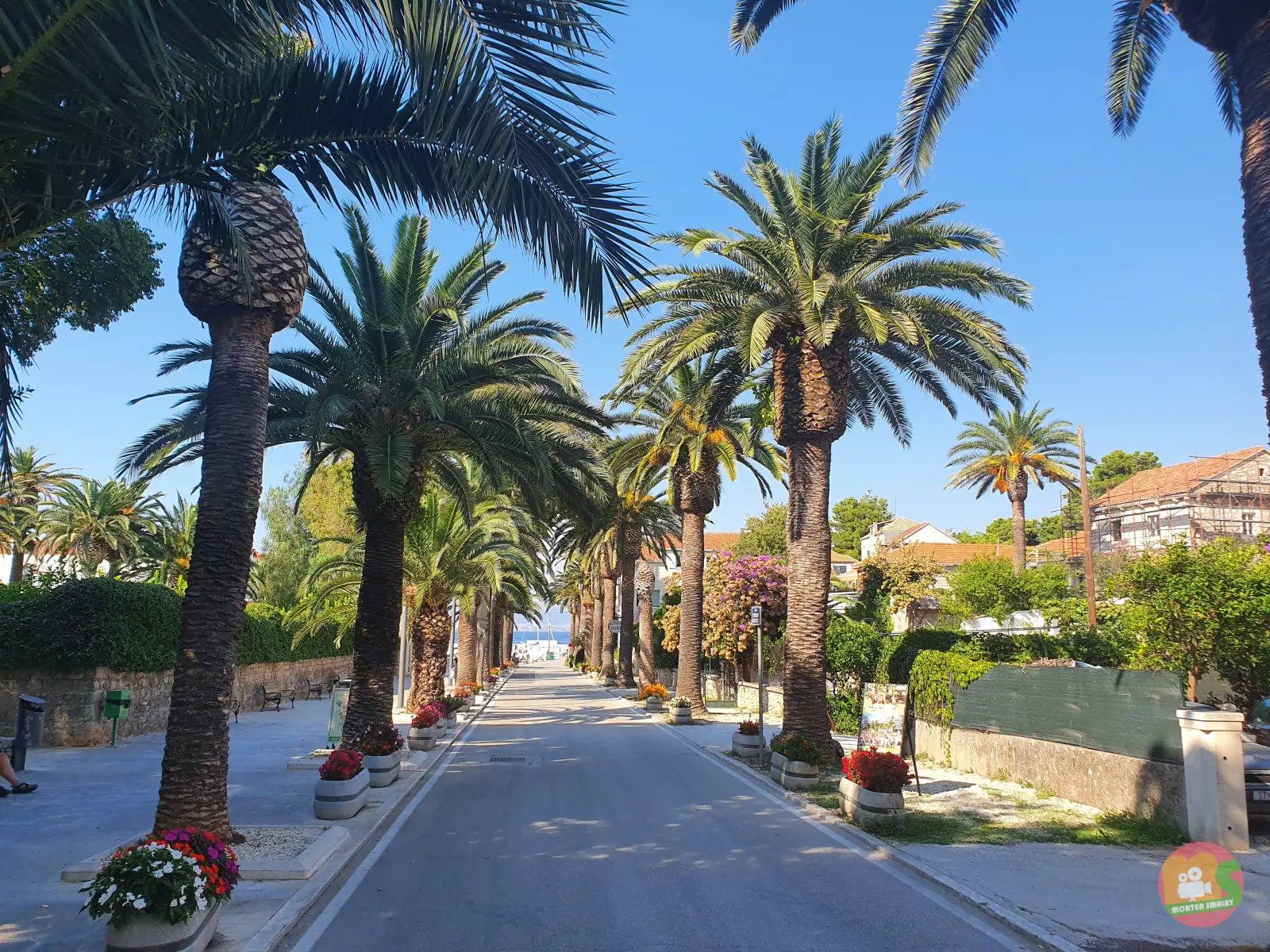
Zmajeva Špilja — the Dragon Cave is still on my bucket list, which I am slightly embarrassed to admit after all these years on the island. It is a cave in the cliffs above the south coast of Brač, containing medieval relief carvings that are unique in Croatia — a dragon, a figure, and other mysterious forms carved directly into the rock. Reaching it requires a serious scramble and ideally a local guide who knows the terrain. As it happens, I may finally get there this year. I will probably be back on Brač in the autumn, helping Milan with the olive harvest — and since Milan is also a mountaineer, he is exactly the right person to go with. If it happens, I will report back.
The villages of Brač are another reason to stay longer than just a beach day. I have visited and filmed most of them at this point, and they each have their own character. Supetar is the island’s main town and ferry hub — bigger and more practical than the others, but worth exploring properly. Sutivan is a quiet, unhurried little place just west of Supetar that surprised me the first time I really stopped there. Postira is a charming north-coast village with some lovely beaches nearby, including the sandy Lovrečina. Povlja at the northeastern end of the island is one of those places that tends to stay with people — stone houses along the waterfront, calm water, and a real sense of being off the beaten track. Sumartin and Selca at the eastern tip are the least touristy parts of the island and genuinely feel like authentic Dalmatian villages rather than resorts. Pučišća, famous for its stonemason school, and Milna on the western tip — one of the most beautiful natural harbours on the island — are both worth a visit too. Between all of these, you could easily fill a week on Brač and not run out of things to see.
Getting to Bol
This is where things have genuinely changed since 2006. Back then, the only realistic option from Split was the car ferry to Supetar, followed by the drive across Brač. Today, fast passenger ferries run directly from Split to Bol harbour in around an hour. Seasonal departures increase significantly in summer, and booking in advance is a good idea in July and August. If you want the latest timetables and tickets, check Jadrolinija or Krilo Shipping — that is what I use.
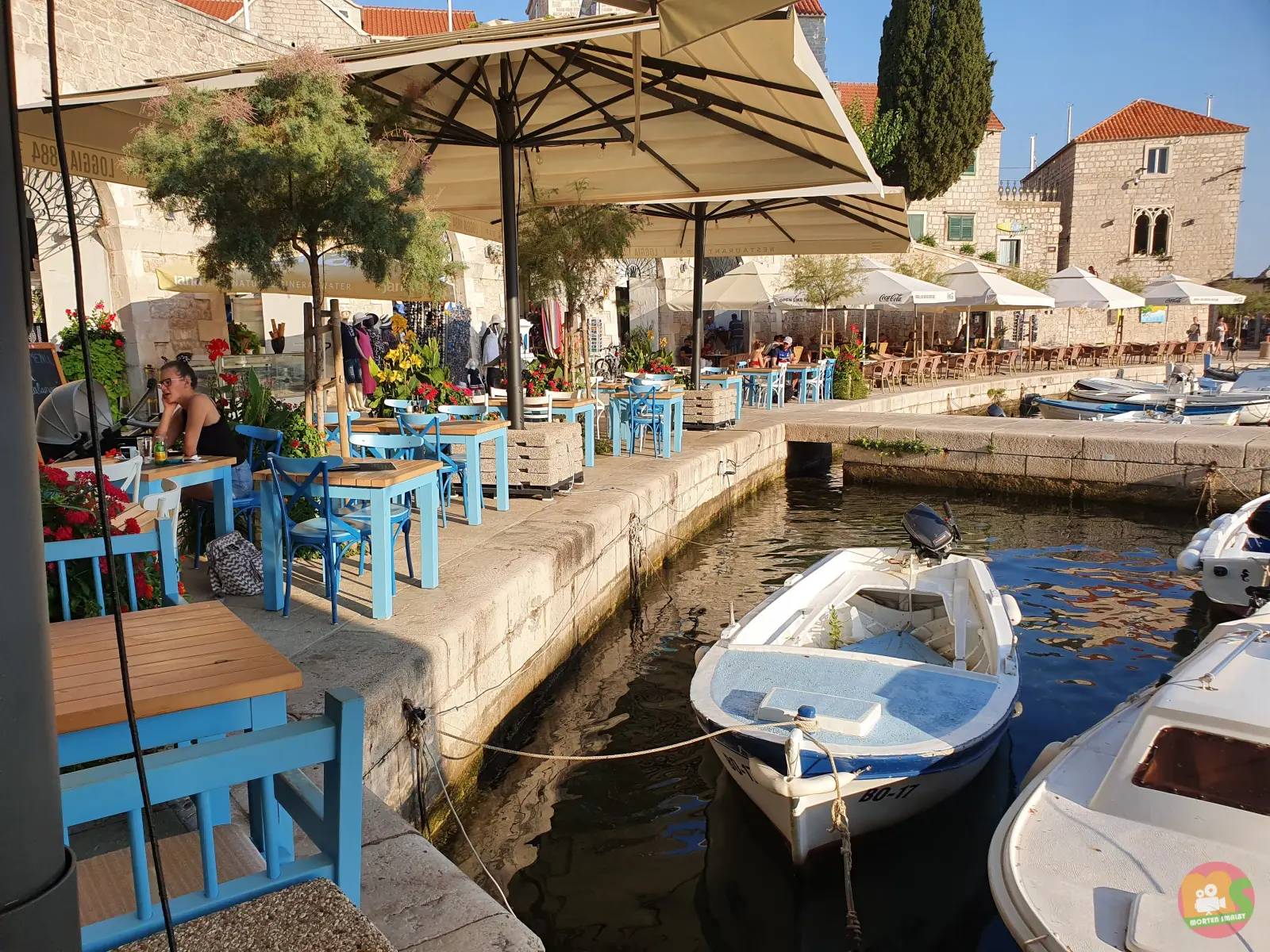
What to See in Bol
Zlatni Rat (Golden Horn) — The iconic beach. Around 2 km from the town centre on foot, by boat (my recommendation), or tourist train. Go early in the morning or late afternoon if you want to avoid the peak crowds in summer.
Kotlina & Martinica Beach — Two quieter beaches located near the Dominican Monastery on the eastern edge of town. Easy to reach on foot, good snorkelling, and far fewer people than Zlatni Rat.
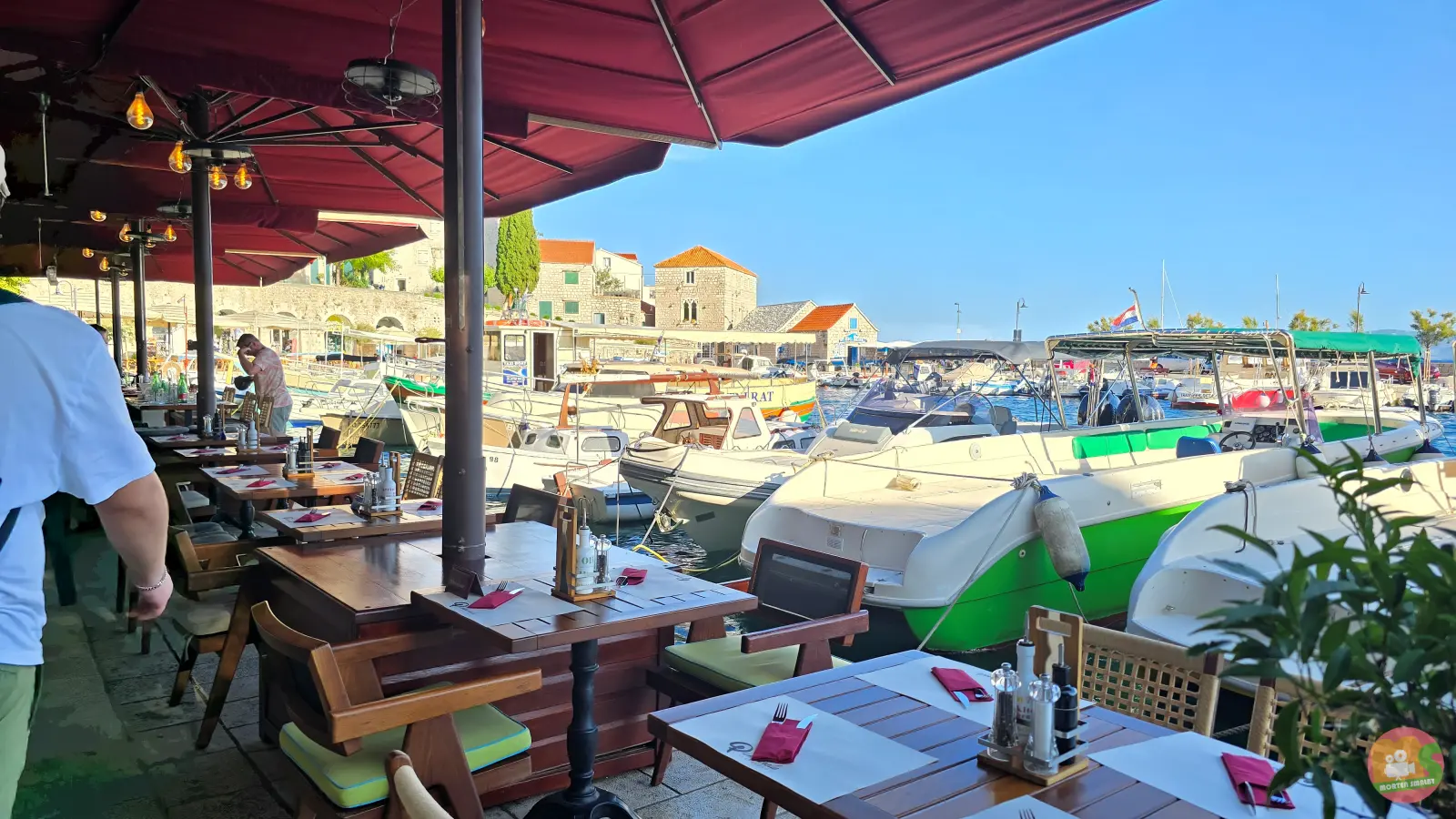
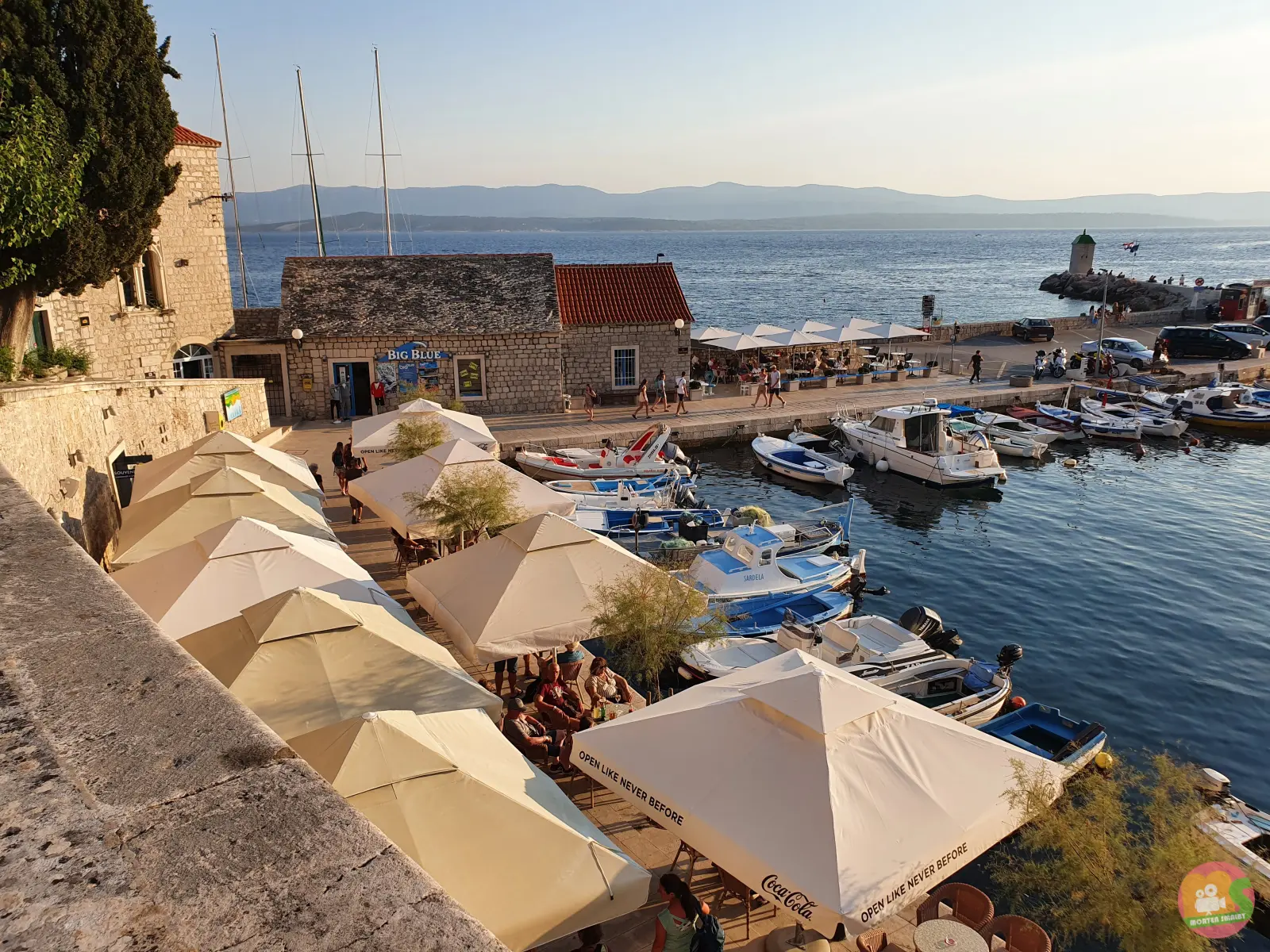
Bol Town Centre — The promenade and the old town are genuinely pleasant. Have a coffee, explore the narrow streets, and check whether there are any food stands or local events on during your visit.
Dominican Monastery — Located on a small promontory at the edge of town, with a small museum and great views. Easy to combine with a walk along the coast.
Vidova Gora — The highest point on any inhabited Adriatic island, at 778 metres. Reachable by car from Bol in about 40 minutes. The panoramic view over the islands is worth every minute.
Blaca Monastery — A 16th-century hermitage built into a canyon on the south coast of Brač. Reachable by a hike through the canyon or by boat. One of the most atmospheric and unusual places in all of Dalmatia.
Dragon Cave (Zmajeva Špilja) — Medieval carvings in a cliff cave above the southern coast. Requires a proper hike and ideally a guide. Not for everyone, but for those who like a bit of adventure with their sightseeing, it is exceptional.
Practical Tips
Bol gets very busy in July and August. If you have flexibility, June and September are excellent — the sea is warm, the ferries are running, and the town is noticeably calmer.
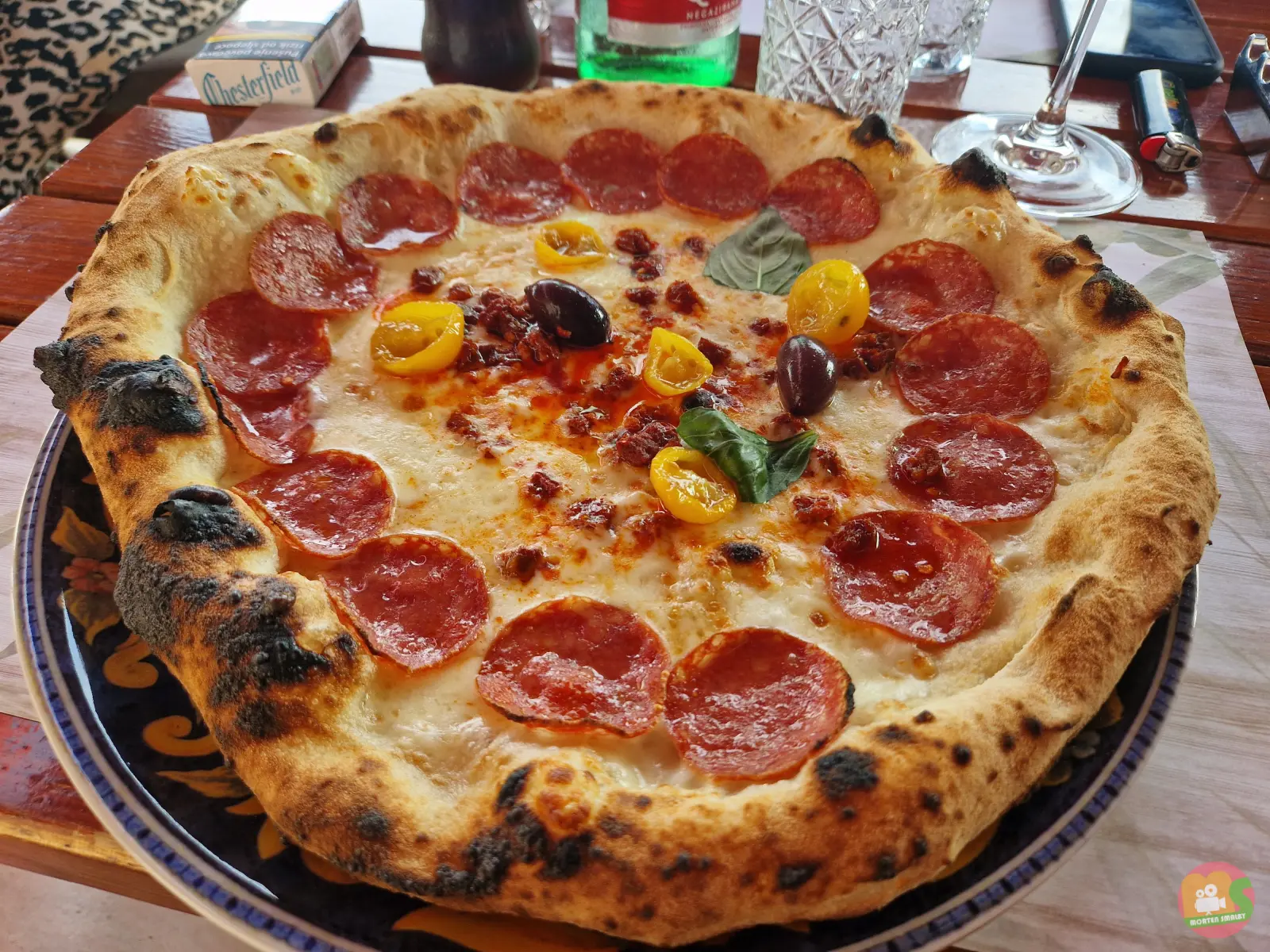
The main promenade can get crowded in the evening during peak season, but it never feels overwhelming. Restaurants along the waterfront are reasonably priced for what you get, though, as always in Croatia, the places slightly off the main drag tend to offer better value.
Bikes and scooters are popular in Bol — the road along the coast towards Zlatni Rat is flat and easy, and cycling is genuinely one of the nicer ways to get around.
Who Should Go to Bol — and Who Should Not
After nearly twenty years of visiting, I have a pretty clear sense of who Bol is for and who it is not for.
Before I get into this, I want to say something that might be unpopular with the Bol fan club. Zlatni Rat is a great beach — genuinely great, and I mean that. But if you ask me personally, as someone who has spent twenty years exploring the Croatian coast, the number one beach in Croatia is not Zlatni Rat. It is Punta Rata in Brela, on the Makarska Riviera. I am 50+ years old, and I have been to most of the beaches worth talking about in this country, and Punta Rata is in a different category. If you are serious about beaches, go there too.
That said, Zlatni Rat is still exceptional, and here is who should make the trip to Bol.
Go if you:
Are looking for one of the genuinely great beaches in the Mediterranean — Zlatni Rat deserves its reputation, and that is not something I say lightly. Come for the combination of beach, good food, a pleasant town to walk around, and easy access to the rest of Brač. Come if you appreciate a place that has grown and developed without completely losing its character. Come if you want a proper base for island exploration rather than just a sunbed destination. Families, couples, and groups of friends who want a bit of everything — beach, nature, food, day trips — will all find something here.
Do not go if:
You are chasing somewhere undiscovered and untouched. Bol is popular, and it knows it. The fast ferries, the organized excursions, the busy promenade in August — this is not a hidden gem anymore, and it has not been for a while. If you want that feeling of stumbling onto something few people know about, look at the eastern end of Brač instead — Sumartin, Selca, Povlja. Bol is not that.
And if you are coming in July or August and you genuinely cannot handle crowds, think carefully. Zlatni Rat in peak season is busy. The ferries are full. Restaurants have queues. It is still a beautiful place, but the experience is a different one from a quieter June or September visit. I have done both, and the shoulder season version wins every time.
Bol has been part of my life in Croatia for nearly twenty years now. It is one of those places I keep coming back to, and every time I do, it manages to deliver something worth remembering — whether that is an unplanned meal on the promenade, a great sailing trip, or just an afternoon at one of the best beaches in the Adriatic.
If you have never been, go. And if you have been before, you probably already know you will go again.
FAQ Bol
How do I get from Split to Bol?
The fastest and easiest option today is the direct fast ferry from Split to Bol, which takes around an hour. In peak season there are multiple departures daily. The main operators are Jadrolinija and Krilo Shipping — check their websites for timetables and tickets. The old route — car ferry to Supetar followed by a drive across the island — still works if you have a car, but for most visitors the fast ferry is the obvious choice.
Do I need a car in Bol?
Not if you are staying in Bol itself. Zlatni Rat is a 20-minute walk from the town centre, and most beaches and restaurants are easy on foot. A car becomes useful if you want to explore the rest of Brač — Vidova Gora, Blaca Monastery, or the villages on the other side of the island.
Is Zlatni Rat really worth the hype?
Yes — and I do not say that about many places. The shape of the beach, the colour of the water, and the pine trees behind it make it genuinely special. That said, in July and August it is very busy. If you want the best version of it, go early morning or visit in June or September.
Are there quieter beach alternatives near Bol?
Yes. Kotlina Beach and Martinica Beach, both located near the Dominican Monastery on the eastern edge of town, are good alternatives with far fewer people. They are easy to reach on foot and the water is just as clear.
Is Zlatni Rat the best beach in Croatia?
It is one of the best — but personally, after 20+ years exploring the Croatian coast, I rate Punta Rata in Brela as number one. If you are serious about beaches, it is worth the trip.
When is the best time to visit Bol?
June and September are the sweet spot. The sea is warm, ferries are running frequently, the town is pleasant, and you avoid the peak season crowds. July and August are busiest — still great, but a different experience.
How many days do you need in Bol?
Two to three days is enough to see Bol properly — Zlatni Rat, the town, Kotlina and Martinica beaches, and Vidova Gora. If you want to add Blaca Monastery or explore more of Brač, add another day.