
Rakija, Croatia
Rakija is a secret weapon against everything. Besides being enjoyed as alcohol, it can also be used for medicinal purposes. It can kill bacteria, relieve you from stomach and muscle pains, destroy a virus and disinfect a wound instantly. In fact, it should be called “aqua vitae”. Besides the obvious medicinal use, it is also drunk and enjoyed in many different variations. Rakija exists to improve life.
Not only does it soothe the taste buds after some delicious prosciutto, but it also relieves the aftertaste by putting a huge smile on your face. Rakija is a natural product, various healing herbs are mixed into a shot of a traditional drink. If you ever come to Croatia, don’t worry about not buying enough of this special alcoholic beverage, as it is found in abundant quantities in every corner of Croatia. Rakija and Croats simply belong together.
There is a proverb among Croats: ”if you haven’t tried homemade Rakija, then you haven’t tried Rakija at all “. It’s not the most expansive slogan ever made, but then again – it was probably made at home, under a table, after a bottle, you guessed it, Rakija. If Rakija isn’t brewed properly, most people will almost certainly say that it’s pure fox piss to put it mildly. Others might say that it corresponds to a really strong Sambuca.
But, if done properly, this drink is a true pleasure as well as proof of the effort from our fathers, grandfathers etc. since the very first Rakija was pressed out of a grape or somewhere else in Istria.
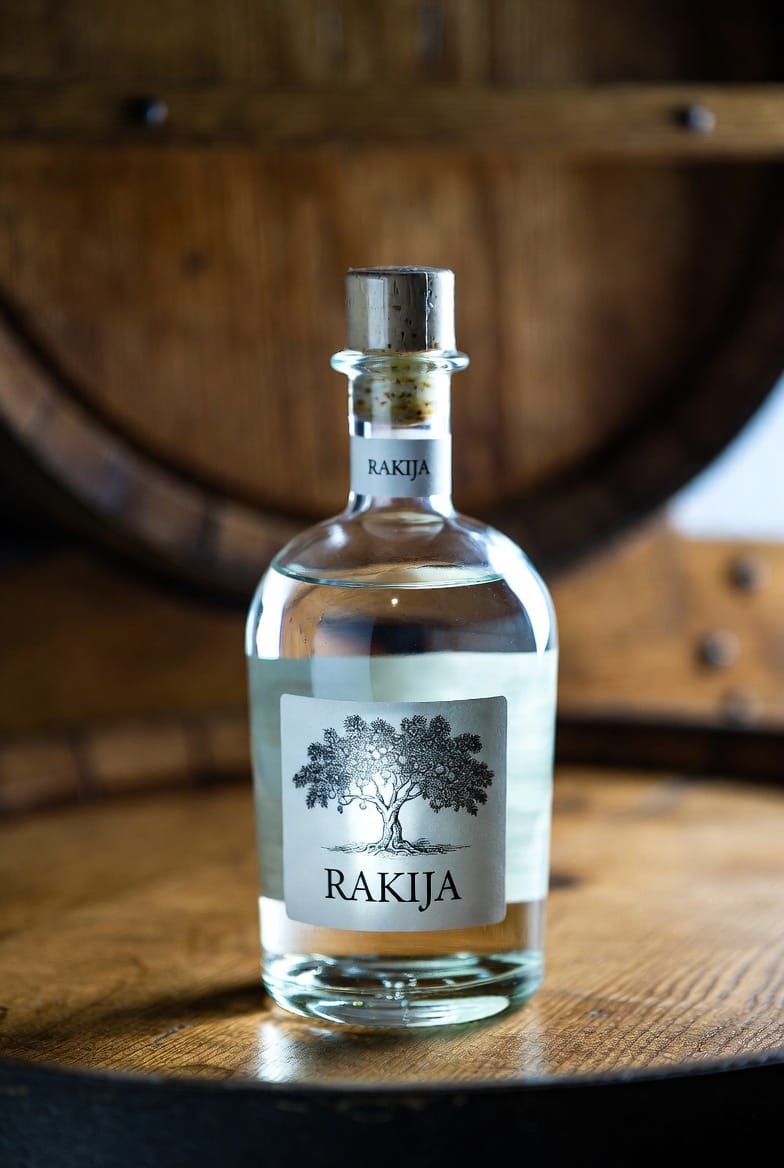
Rajika tradition and heritage
It’s true, the crazy Croats can make a Rakija out of anything, even a truffle. Hell, I’ve tasted Rakijas made from watermelon that had more punch than Vladimir Klitschko. Recently, I saw a homemade Rakija made from pine tree. I didn’t taste it though, as it was the only bottle and only for display purposes. This is just an example of how diverse and rare rakijas can be. The Rakija made from pine tree was made just a few weeks ago by someone’s grandmother in a basement. And this is the only background knowledge a random Rakija connoisseur needs to know to verify the authenticity of such a phenomenal Rakija.
My own grandfather still makes Rakija in his own little house in the countryside. It’s a perfect hobby when you think about it. He used to grow his own wine before, but as he’s gotten older, Rakija has taken over wine growing. The whole process isn’t that complicated. It consists of fermentation and distillation of fruit, vegetables, various herbs, even trees for that matter, anything you want your Rakija to taste like. ”If you can suck liquid out of something”, you can make Rakija out of it’.
The final product is extraordinary in every sense. It’s so strong that just by looking at it, you can feel your body healing itself. The lowest amount of alcohol a range of different Rakija can have, without being mistaken for a smoothie is 20 %. Anything below that is a milkshake when we’re talking about Rakijas. The highest legal percentage would be around 60 %. This particular brand of Rakija, which I actually said right before I passed out like a light, was completely transparent, as if it was the essence of the tree of life, and someone had bottled it.
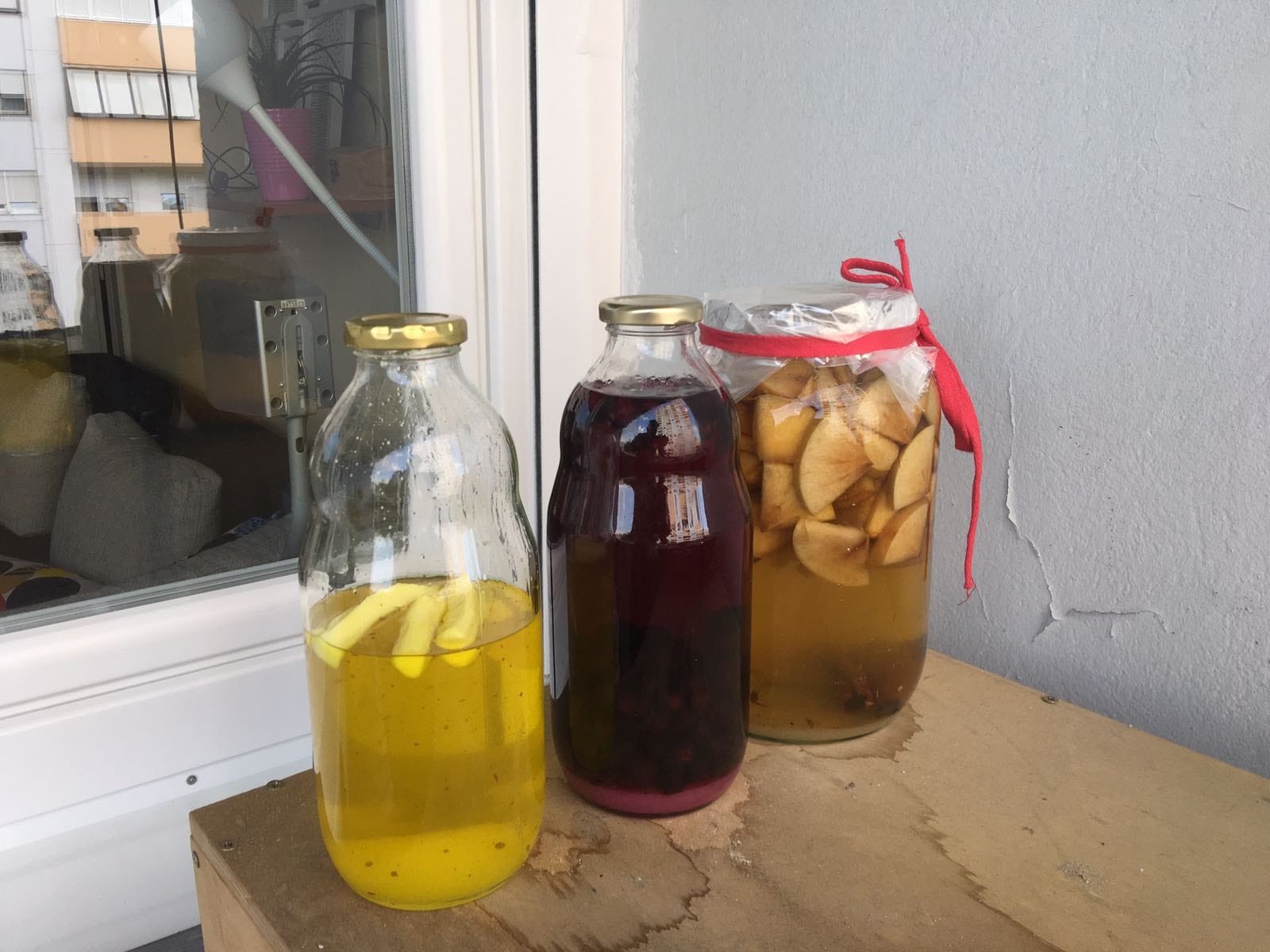
What to do and not do when brewing Rakija
The fruit we use to make this variation of Rakija from is plum, or “šljiva” in Croatian. Hence the name “šljivovica”. To create this divine nectar, the chosen fruit needs to undergo fermentation and distillation. And that’s where the magic happens. In the case of “šljivovica”, if you distill the fermented plum too early, the consequences can be serious, because if the sugar in the plum isn’t heated enough, the quantity and quality will suffer. On the other hand, if distilled too late, the amount of alcohol will be much lower and as I mentioned before, anything under 20 % is not acceptable, and is not designated as a Rakija. So the trick is to distill the fermented fruit latest two to three weeks after fermentation. Or preferably do it around the 11th day to try to achieve the perfect ratio required for top quality Rakija.
Varieties of Rakija
Other than the traditional variety “šljivovica”, which is typical for the northern part of Croatia, there are many more Rakija varieties, surely one that suits every personal taste. It’s true that Croats can make a Rakija out of everything, so let’s look at the different varieties cultivated by many cheerful Croats.
Travarica
Travarica is a classic, and specific to the southern part of Croatia. Its name is derived from the name “grass” which means “trava”, but refers to a range of different weeds or herbs. Therefore, this particular variety of Rakija has a lot of sub-varieties, as many as there are different medicinal herbs and villages in Croatia. Some people call it ”The Doctor”, because, like with “šljivovica”, it has distinct healing properties. Often this Rakija is based on mint, lavender, rosemary, sage, etc. That is, if you suffer from back pain, nothing will come as close as a massage as some Travarica. The smell is interesting to say the least, but the relief will be worth it.
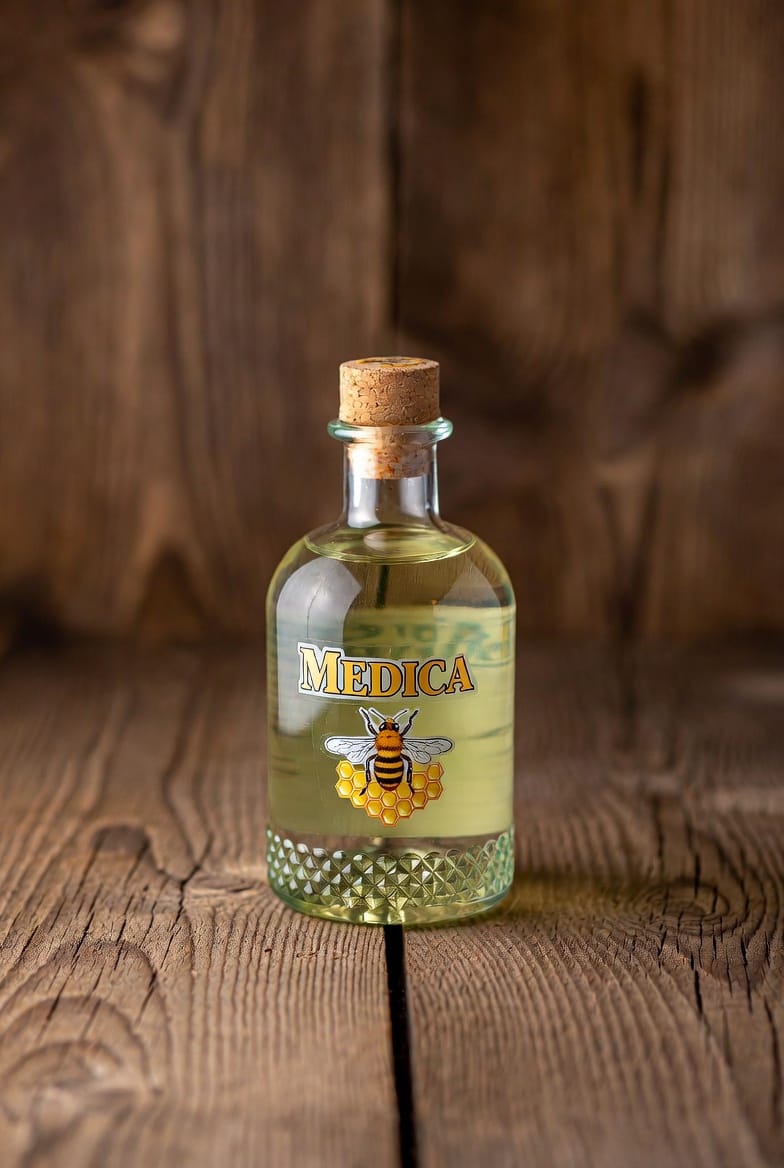
Medica
Medica is one of the most popular varieties in Croatia. It is most widespread in Istria, but quite known throughout the country, as it spread quickly due to its sweet taste. This Rakija is made from honey and spiced with propolis. Sometimes it is mistakenly referred to as “Medovina”, but that is wine with honey added, which is a completely different drink.
Medica is a devil in disguise. Its sweet taste goes down smoothly, and once you get going, you can’t really stop again until it’s too late. It has a certain jetlag effect, as it can kick you in the ass long after you’ve drunk your last. It’s probably the closest a Rakija comes to liqueur because of its sweetness, but is still far from being a liqueur. If you come near a Medica, approach with caution, drink it thoughtfully and make sure it’s from Istria, that’s where the best quality comes from.
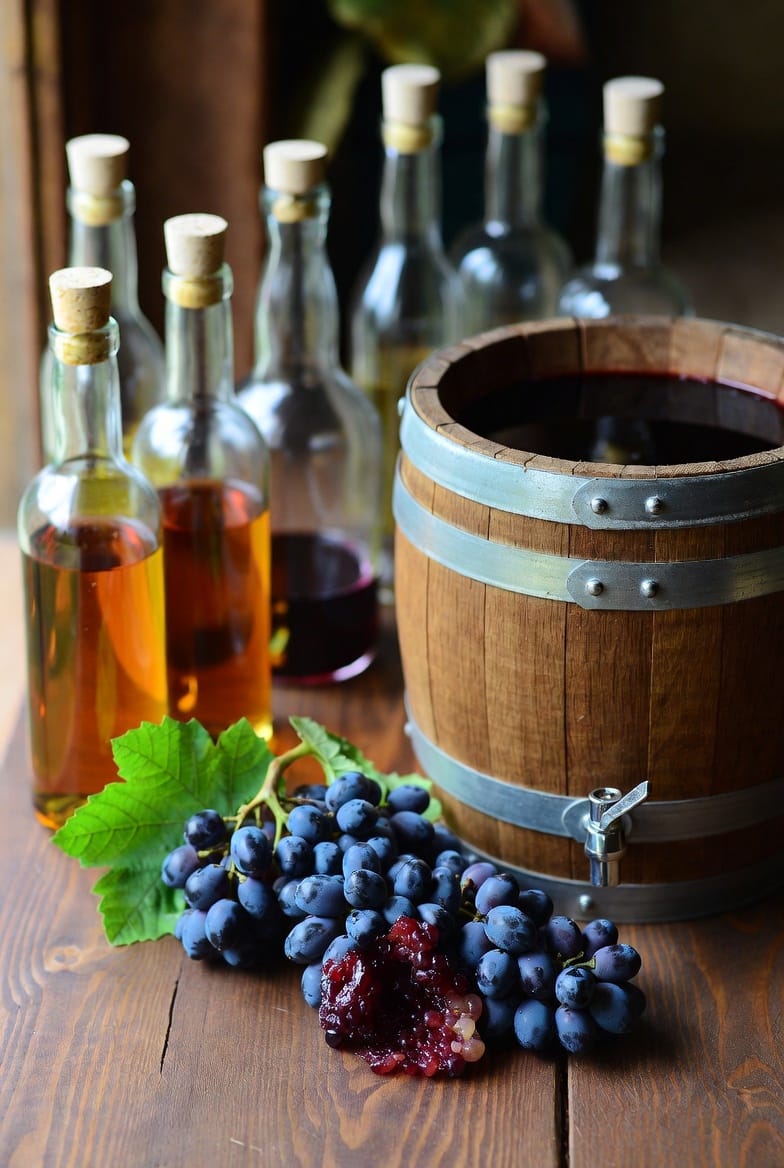
Loza
A really good Loza is hard to find, as made with various herbs, and the ratio of herbs to alcohol can be a bit tricky to hit, as it has to be spot on for it to become good. The industrial variety (yes, there is that kind too) is recommended if you suffer from severe toothache, especially if inflammation is involved. Nothing, not even a painkiller can soothe your tooth more effectively than a Loza.
A true connoisseur will probably tell you that you can find ”good” homemade Loza everywhere, and he’s not lying, but if you’re a beginner at Rakija, it’s best to stay away from it until you master the others. Together with “Komovica”, Loza has a repulsive taste and smell, and it’s the type of drink that isn’t exactly enjoyed. Basically, if you’re really hardcore, and Absinthe is like juice to you, then take a Loza and ”knock yourself out”.
Komovica
It’s hard to recommend this form of Rakija, as it’s basically exactly the same as Loza only five times worse. It’s actually made from the leftovers that were used to make Loza. And by heating the leftovers even more than when you made Loza, you get Komovica. A blend of Rakija that is not intended to be served neat, but mixed with many other herbs to give it that extra kick. I’d bet it stemmed from the old Croatian proverb: “You must never throw anything away, no matter how bad it is.” This rakija is most common in the continental part of Croatia, such as in Slavonia where the average Rakija drinker can no longer even see the difference between Loza and Komovica. It’s impossible to see and taste the difference when you’ve been drinking it all year round, for every possible occasion. For more information, feel free to contact the people in Slavonia, they surely have further information about Komovica, Loza’s evil sister.
Viljamovka
Typical for the northeastern part of Croatia, this is one of the most respected varieties of Rakija in the country. Its basic ingredient is a pear, and should not be confused with liqueur made from pears, which is bright red and often consumed with a touch of milk. Viljamovka is one of those Rakijas that are made from pure varieties of fruit that are rich in sugar and acids. It goes without saying that Viljamovka is never mixed with anything, it is meant to be drunk in its purest form because of its very specific fruity taste.
Mastika
Although not traditionally produced in Croatia, this Macedonian type of Rakija has built a name for itself over the many years here in Croatia. The industrial rakija has no medicinal value at all. But a homemade Mastika has a smell as intense as a strong Sambuca on a really good day. Like Sambuca, it is made from anise, a plant known to be beneficial for the respiratory tract and stomach problems. But anise gives it a clear menthol-like taste, which some may find repulsive.
With the exception of a few small differences, the Macedonian Mastika is basically the same as the Greek “ouzo” or Turkish “raki” – all three represent drinks that knock you out. Unlike other rakijas which are often poured into 0.03 l shot glasses, Mastika is poured into glasses as high as 1 dcl, but then mixed with water, which gives a milky consistency and an equally aromatic taste.
Orahovica
This rakija is also on the verge of being considered a liqueur. It is made from walnuts or “orah” as Croats call it. Not rich in alcohol, but very rich in taste. Walnuts are relevant and effective in a number of different cases. A walnut tincture strengthens the hair root, its oil is used to darken the skin while you sunbathe and the fruit itself is excellent for gastritis and fats found in the blood system.
Because of the above properties, Orahovica is considered a ”miracle worker”. It has a darker brown color, the intensity of which depends on how long the walnut is kept in a Rakija, and the taste is a combination of sweet and sour.
Biska
For most of you, the name represents a plant far more known under the name “Mistletoe” or “imela” in Croatian. Its fruits are poisonous, while stems and leaves contain medicinal properties. In the old days it served as a cure for epilepsy, blood pressure regulation, hormonal disease and heart problems.
The “headquarters” for homemade Biska is in Istria, in a town called Vrh, whose inhabitants allegedly have their own secret recipe and quite often they carefully mix mistletoe with three other types of herbs. The people who live in Vrh really have a special recipe for Biska. But that doesn’t mean that Biska is only made in the town of Vrh, it just means that they make the best Biska you can find.
Višnjevac
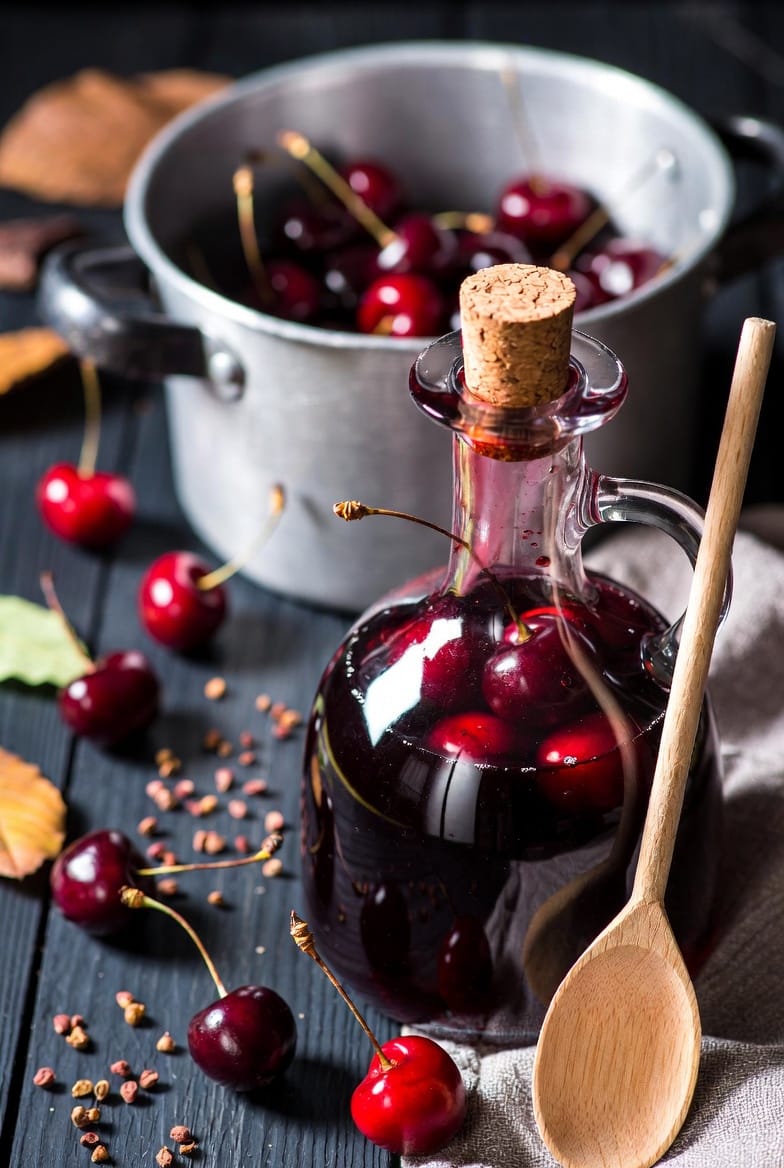
This Rakija variety is made from sour cherries (“višnje”). The cherries are cleaned and put in a Loza or Komovica to stay there and ferment. This process results in a sweet dark red liquid that preserves both the strong taste and a smooth flow of one of the finest Rakijas your taste buds can have the pleasure of tasting. This is an easy Rakija to manipulate, as you can carefully choose to make it really strong or more like cherry juice with a touch of alcohol.
You don’t need a house, a backyard, a barrel or anything like that to produce this rakija. The cherries can ferment on the balcony of your apartment. It is only necessary to get the conditions right. But an old recipe says that if you add some rum to the mixture, the taste suddenly reaches new heights.
Other Varieties
There are many other varieties of Rakija being brewed while I write this article. The most promising are Olive Rakija, Asparagus Rakija, nettle Rakija and sunflower Rakija. All of these are being trial produced in Istria and the best Rakijas really come from there. During the fall, when all the necessary work has been done before winter, people who live in the countryside love to experiment with all possible herbs, fruits and ingredients, which then results in several annual Rakija surprises. Now and then I hear about a new type of Rakija brewed in some other parts of Croatia. And yet there is no competition, only secrets surrounding the drink itself.
For example, when you come to Zagreb, the capital of Croatia there are many places where you can get a Rakija but there are only a few places that serve the real homemade Rakija. In Zagreb, one of the best places to get these drinks is the place Cica, a very small bar in Tkalčićeva street in the heart of Zagreb, which is just a few meters from Ban Jelačić square. The bar can take up to 20 or 30 people inside, but most of it happens outside anyway. The place is packed almost every day, especially when the sun goes down. I’ve seen lots of tourists who have found the bar by chance, they’ve then grabbed a Rakija even though they’ve never heard what it is. Their eyes widen when they taste the drink for the first time and it’s only a matter of time before they order an extra bottle to finish the evening with a kick. What they don’t know is that the kick comes a bit delayed, so leaving the bar always turns out to be a bit of a mission for non-locals. The most famous Rakija you should try in Cica is either the homemade one from rosebuds or the other made from chestnuts. These are really the top of the pops. And if you ask the owner where he gets them from, he won’t share that information even if his life depended on it.
In Istria, you can basically not avoid tasting rakija, because no matter where you go, you will surely get the real thing. But try to avoid fancy restaurants, as they are the last to have high quality Rakija and they usually mix everything with water. My advice would be to check the local inns/taverns in Istria, because that’s where the true Rakija is served. Since Istria is my home, I’m there often visiting, and the last time I was there I visited an inn that had about 20 different varieties of Rakija to offer.

Party With Rakija
Originally, Rakija was most often used as a confirmation that something resembling a social event had been successfully completed. For example, if you got married, you had to make a toast with Rakija to confirm that it actually happened, and that it wasn’t just someone’s fantasy. Or when you buy a house or an apartment, right after signing the purchase agreement, you seal the deal with a Rakija. When someone’s child was baptized, it is celebrated with large quantities of this passionate drink.
Soon it became clear that you really don’t need a special occasion to go out with your best friend, Rakija. All you need is a recipe or a supplier, the rest are excuses, and thank God there are plenty of excuses. The next thing you know, it has become a welcome drink, mmm, a great opportunity for a little Rakija, right before lunch, dinner, or … brunch? Then winter came, and you had to go out and fetch wood for the stove. Thank God, I have some Rakija to warm me up in the cold. Headache? Damn, how glad I am that I have some Rakija. A worldwide epidemic, you say? I’d better go out and bathe in Rakija. Anyway, you get the point?, It’s as common as sugar, and every household has it.
NOTE: Thanks to Moreno for this inspiring story about Rakija
NOTE2: Images made with Grok