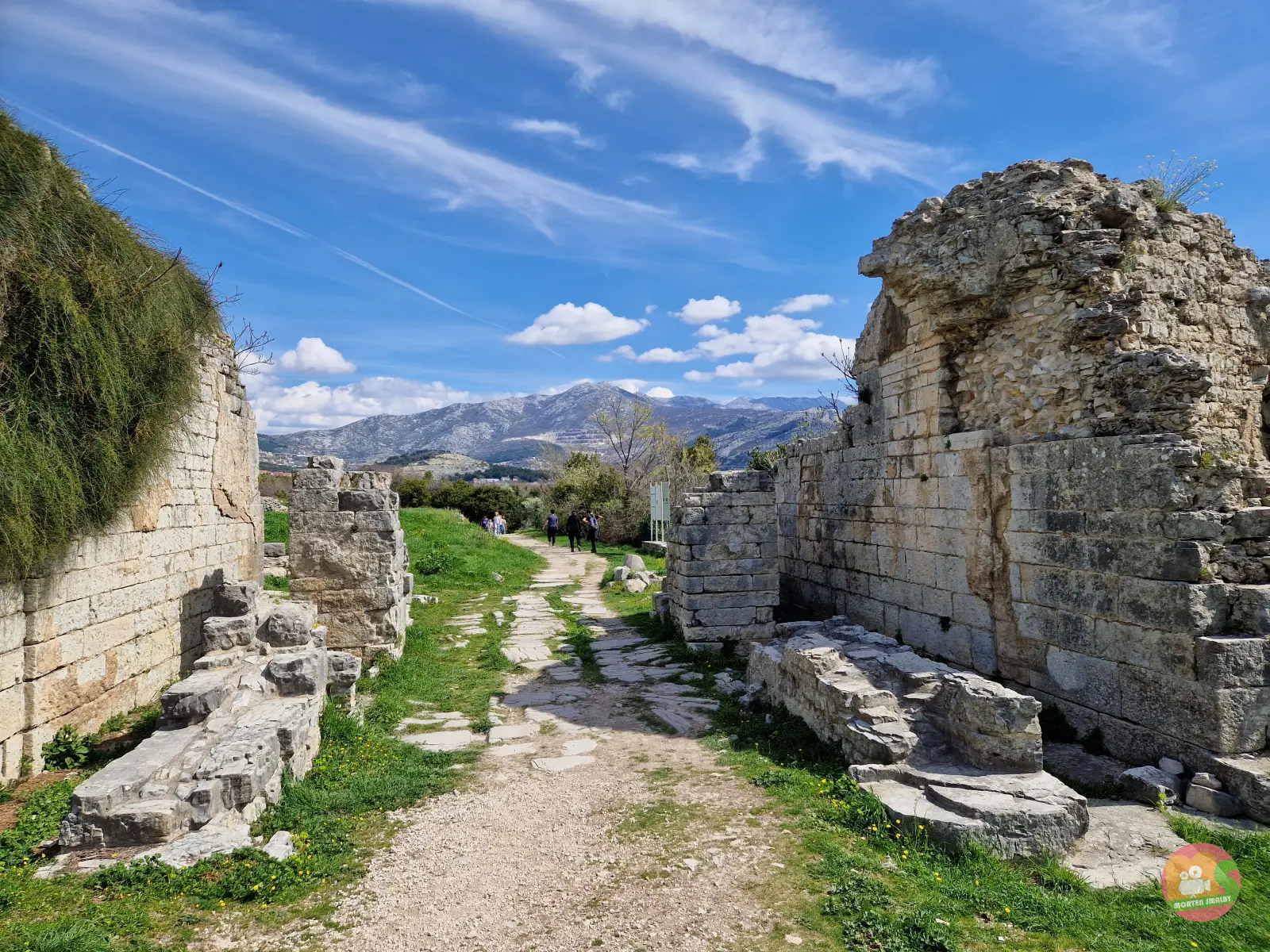
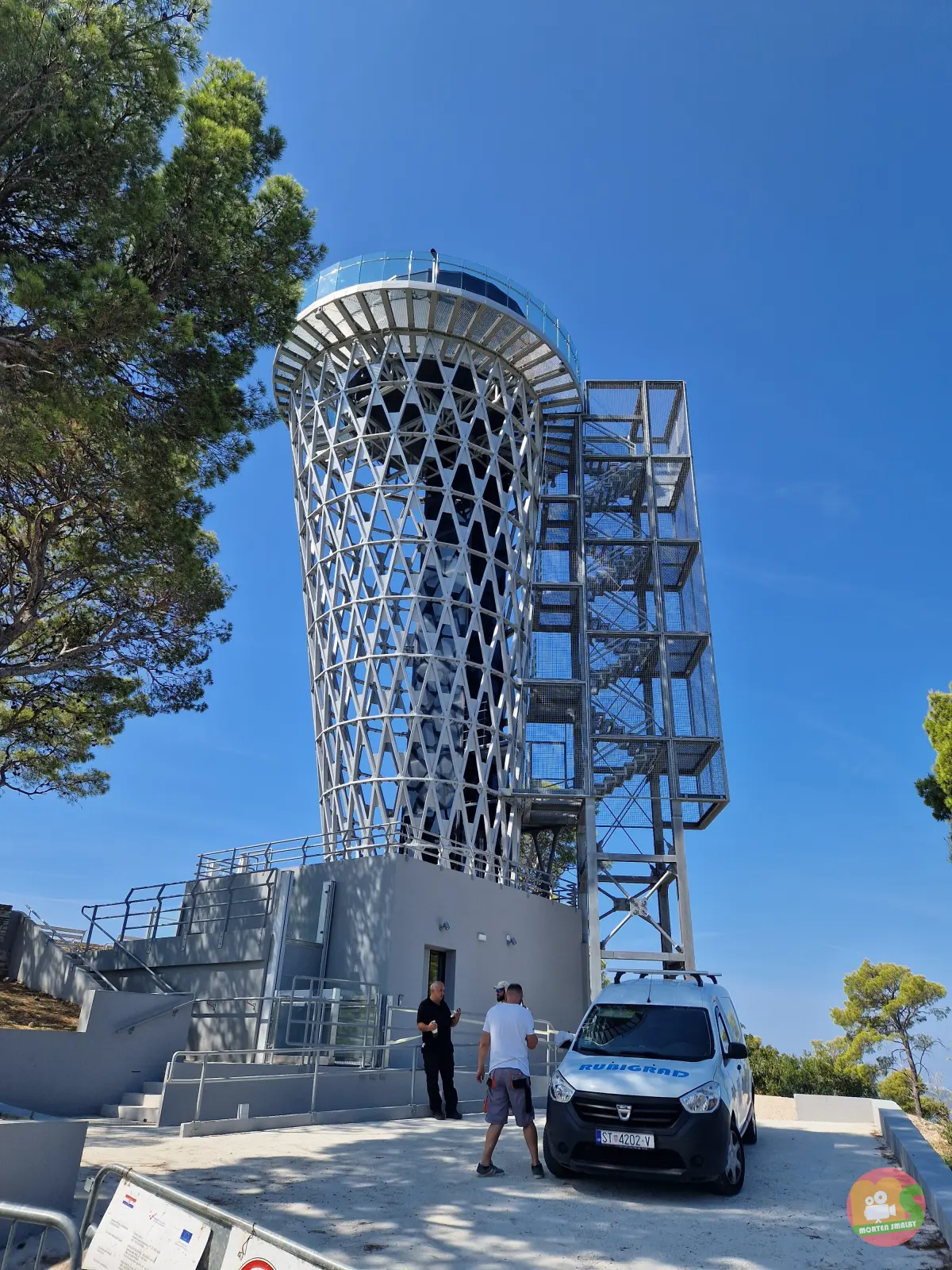
My first encounter with Split was in October 2003,
In spring 2004, I opened my first company here. At that time, I did not know how much I would fall in love with the place, and how much the place would change me!
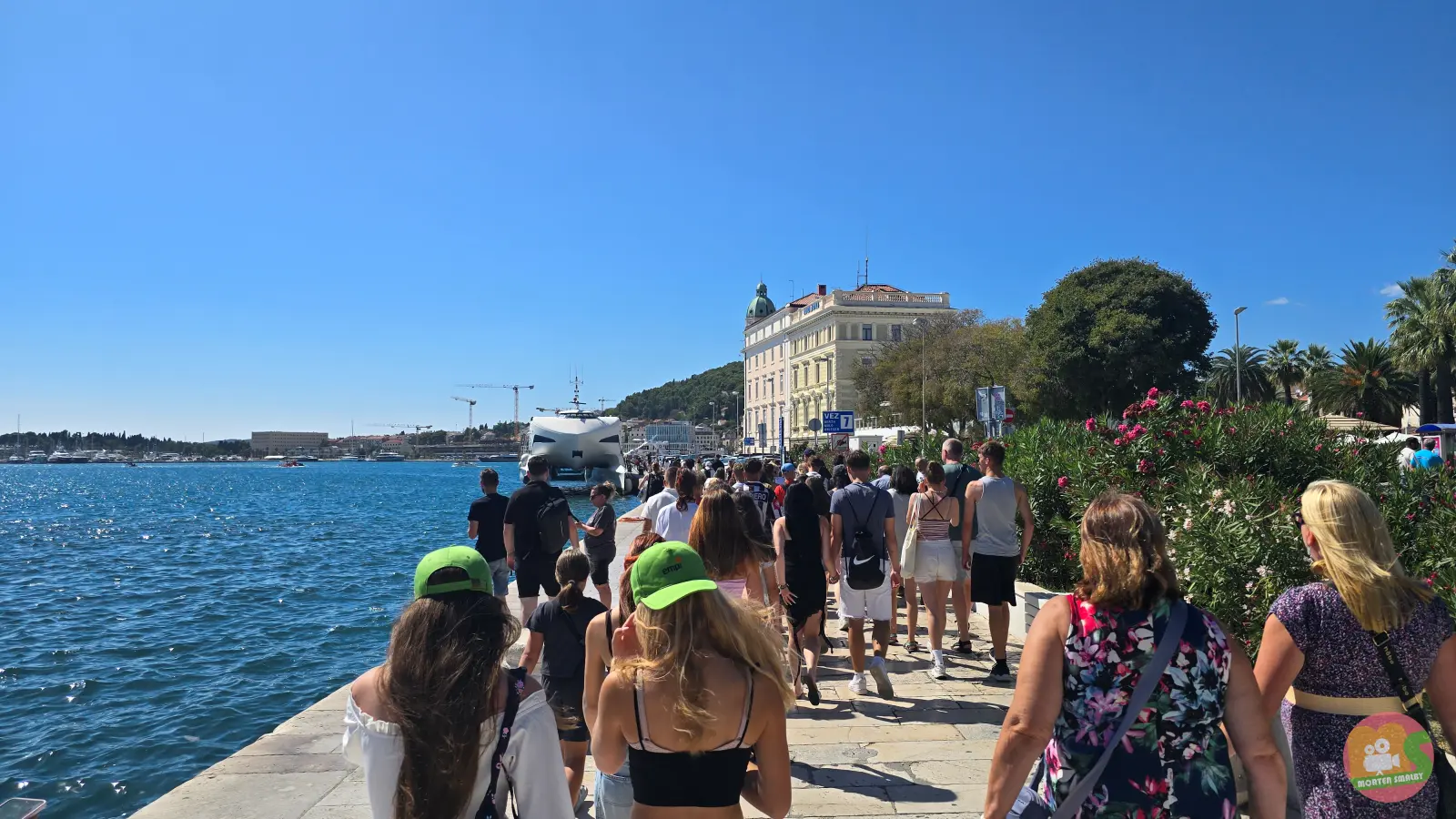
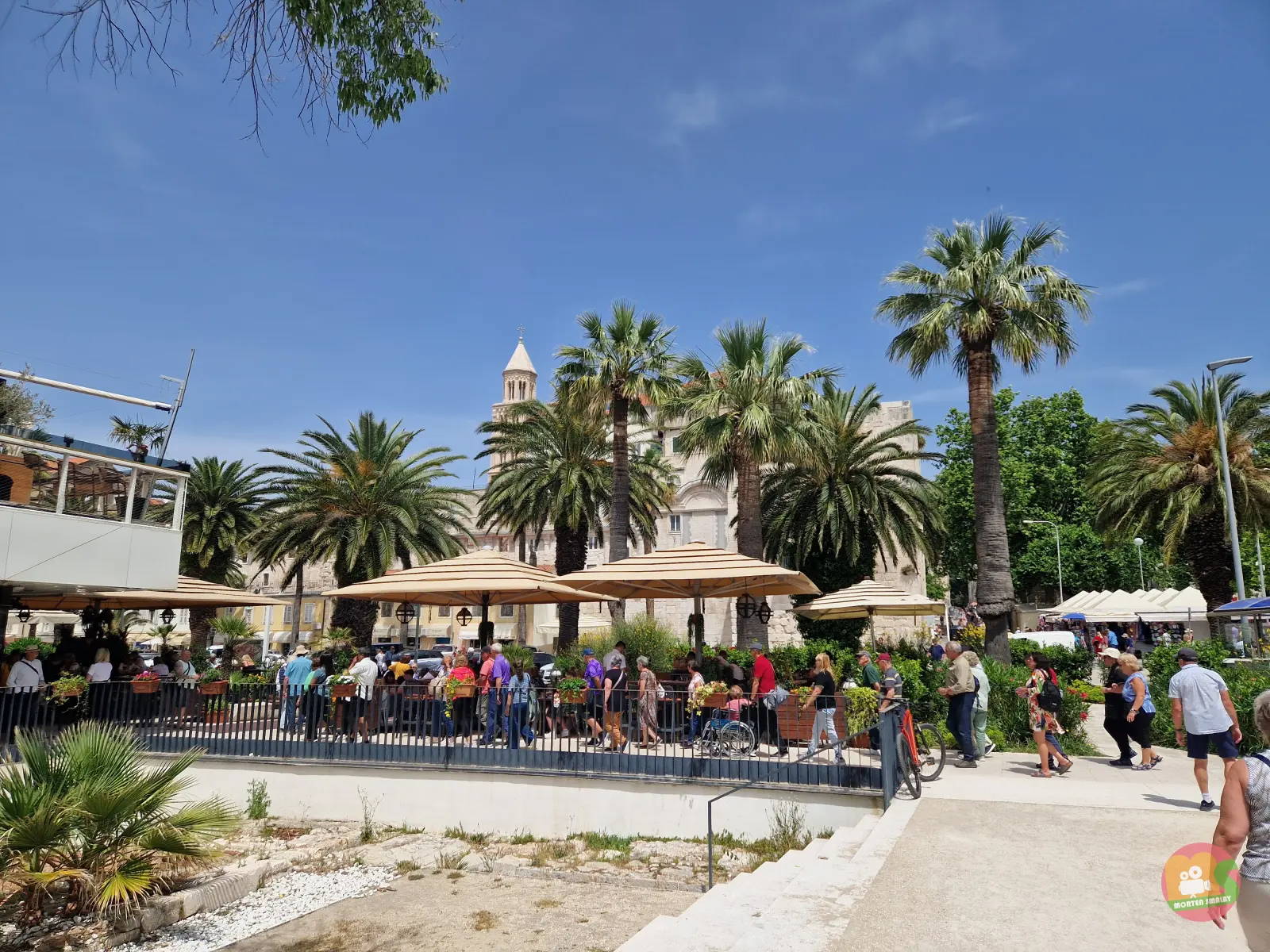
I still recall one of my first meetings in Croatia. The meeting was scheduled to take place on the Riva on a sunny March Wednesday around noon. When I arrived at the Riva, I was wondering how it could be so packed with people on a working day 🤔
Years later, I came to understand and truly appreciate how things work in Croatia—especially in sunny Dalmatia.
🎥 My Video from Split
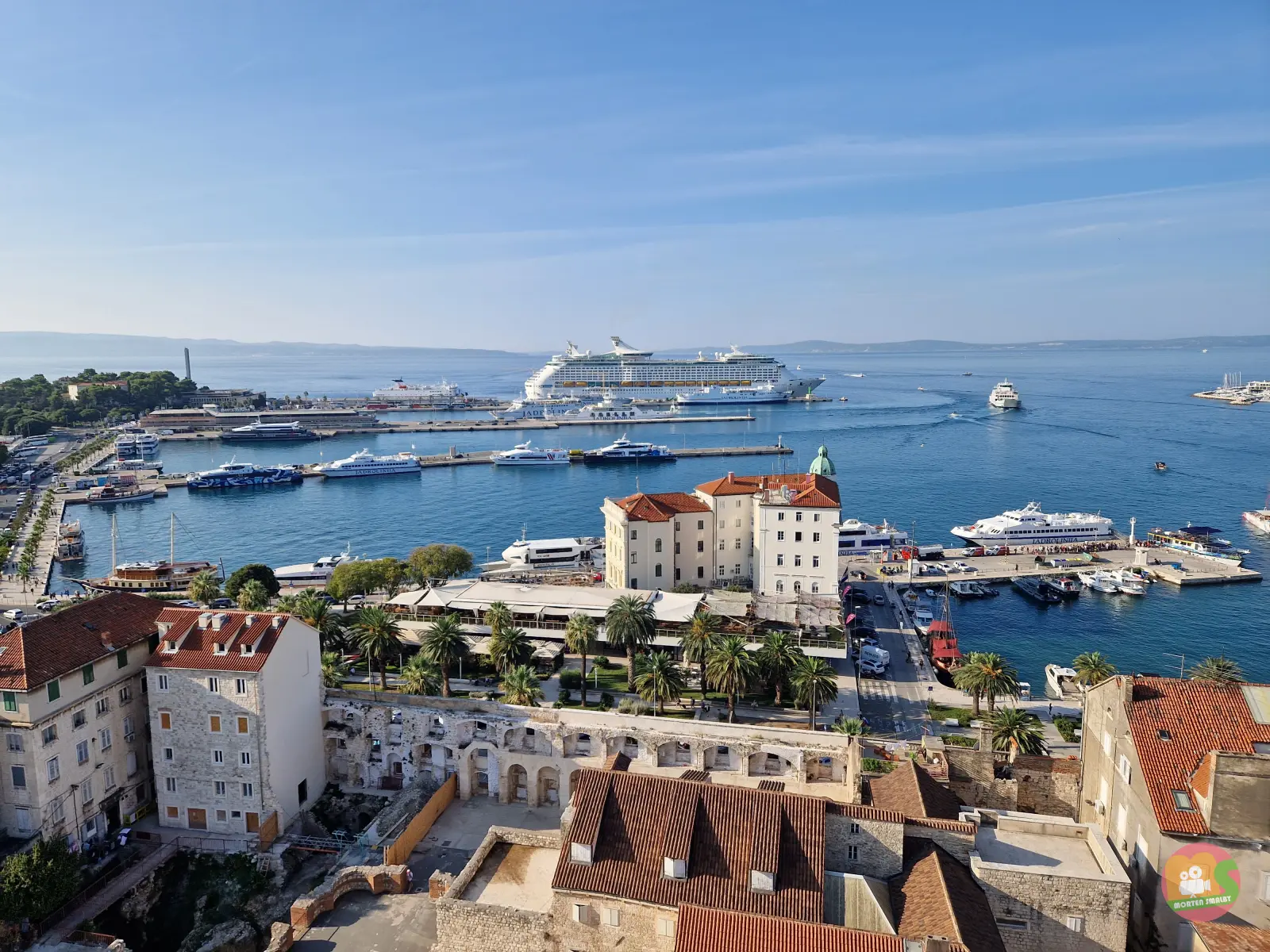
I’ve made several videos about Split, including ones on its beaches, Diocletian’s Palace, the ferry port, and more. In the video below, I’ll take you on a walking tour through the city.
In this article, I will give my thoughts and recommendations on Split from the perspective of an expat living in Split for more than 20 years.
Living in vs visiting Split
Split is expensive—it’s something you hear more and more often. Well, is it true?
Yes and no!
There is no doubt that Split (Croatia) has become more similar in prices to other European countries during the period I have lived here. But if you are a bit mindful, you can actually live here / visit Split for a reasonable amount.
Below, I have listed my thoughts/experience in terms of costs.
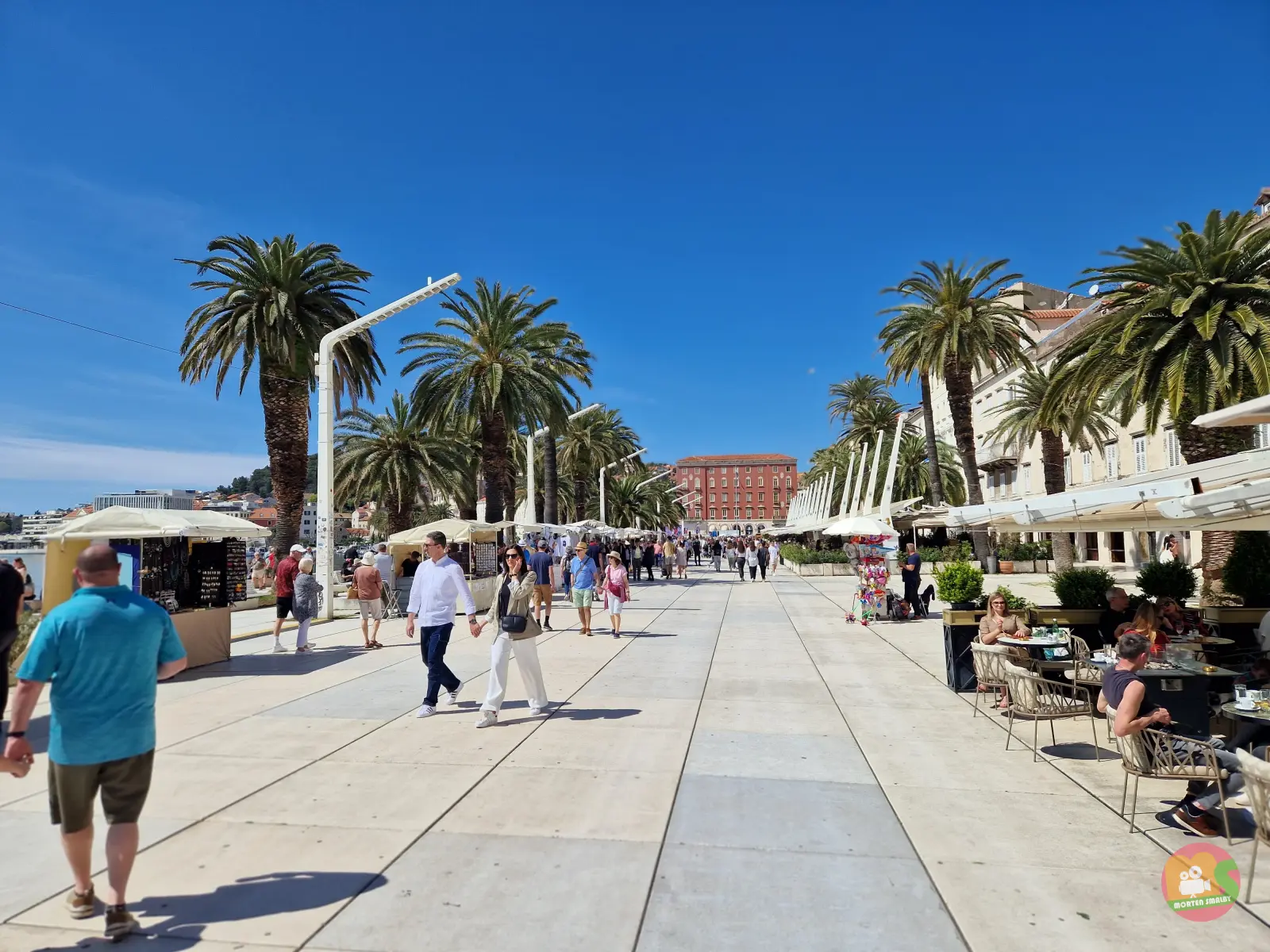
🏠 Accommodation
The number one budget item when traveling or living somewhere is usually accommodation. Real estate prices in Split have skyrocketed during the period I’ve lived here, which, of course, affects rental and short-term rental prices (so the same as in many other European countries)!
Visiting
The most popular city parts for tourists are Grad (Old Town), Varoš, Bačvice, Meje, Lučac-Manuš, and Žnjan. Obviously, they are also where you find the most expensive accommodation, so moving away from these can save you some money.
Take a look at the neighbourhoods Gripe, Trstenik, Bol, Plokite, Lokve, and Mertojak; they are up to 3 km from the center, but usually quite a bit cheaper.
There are city parts further away from the center, which would make staying in Split even cheaper, and you could also consider staying in Stobreč, Solin, or Kaštela, which are all connected to Split with frequent buses.
NOTE: Be aware that when you move away from the center, many apartments are located in residential buildings, where late evening noise is not welcome.
Living
If you consider living in Split, prepare yourself for the following:
- Long-term rental in most cases means from the 1st of October to the 1st of June. Finding an apartment available the whole year is a challenge—not only for expats / digital nomads, but even more so for locals on an average Croatian salary!
- The way tenant rights are handled might be very different from what you are used to in your home country.
- As well as there are good and bad tenants, there are also good and bad landlords; you are in a lottery!
Living in Split in the winter is very different from the summer, which might surprise you.
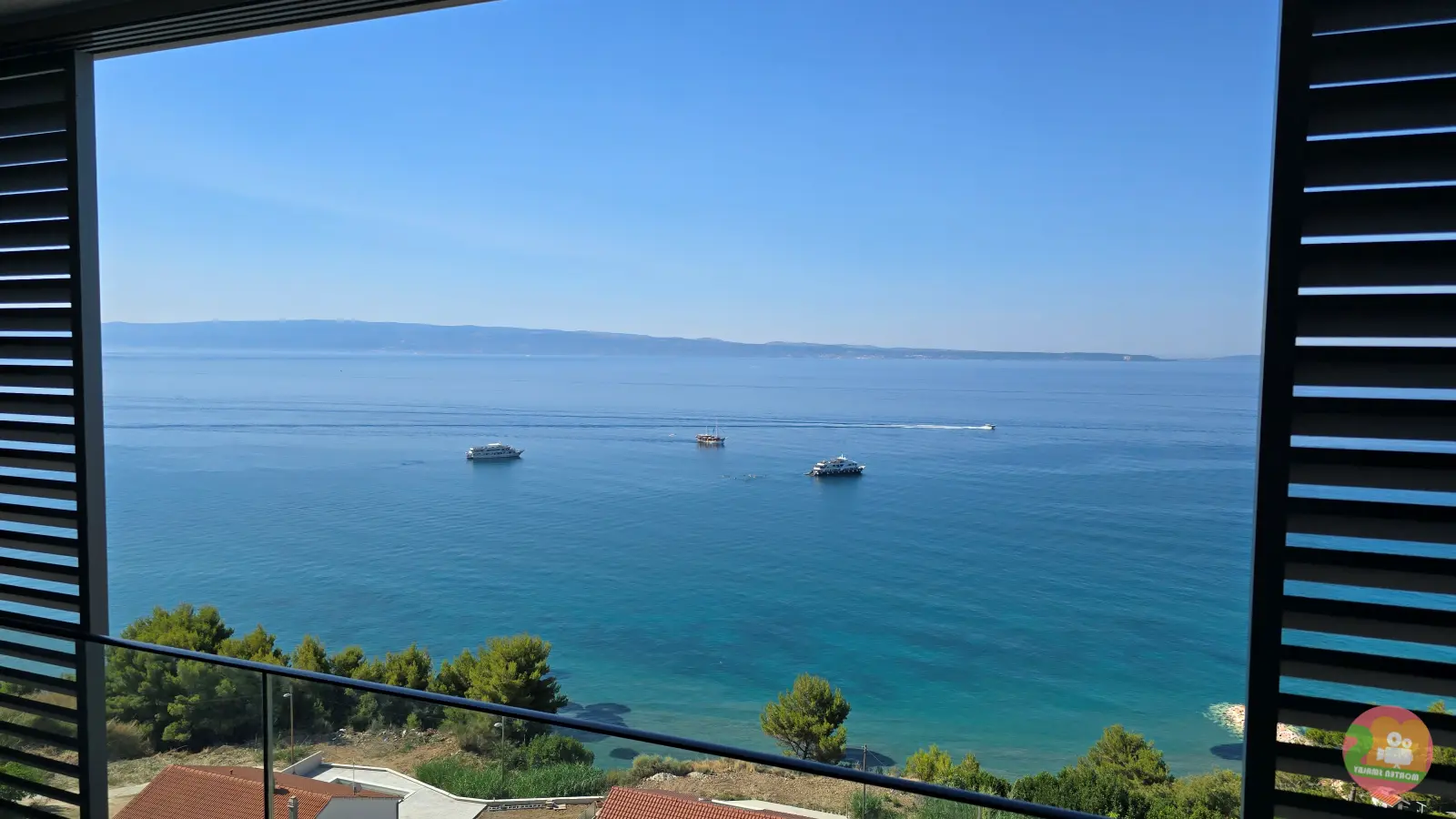
🍽 Eating & Drinking Out
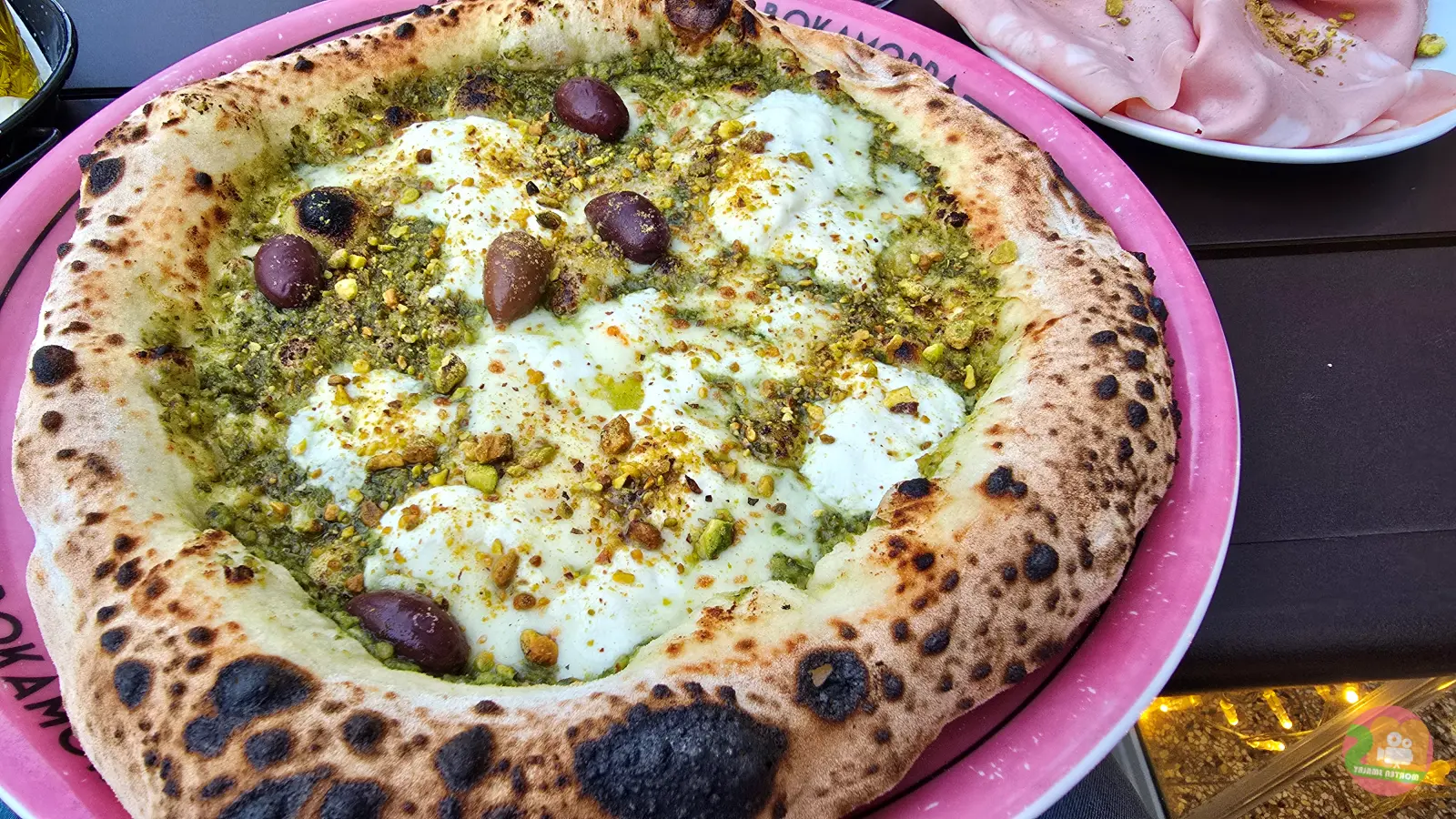
Eating out in Split does not have to be expensive. Of course, if you pick the best locations in the old town or at the Riva, prices are going to be at the high end, but you can get a meal for €15-20; the expensive part is the drinks.
If you move a bit from Old Town, you can find plenty of fast-food places, where you can have a decent meal for €10, like at Kantun Paulina, which I showed you in the video.
If I am eating out in Split, I usually do it in the suburbs, where I can get a decent meal for €15-20 and have reasonable drink prices. A couple of times a year, I spend way more on my meal when I visit my favorite restaurant, Chops Grill, to enjoy a 10/10 ribeye steak.
Having drinks in the old town area, I actually think, is what has increased the most in price; finding a cocktail for less than €10 is hard, and also other drinks have gotten really pricey.
Where I go out for drinks, cocktails are around €5, and beer is €3..
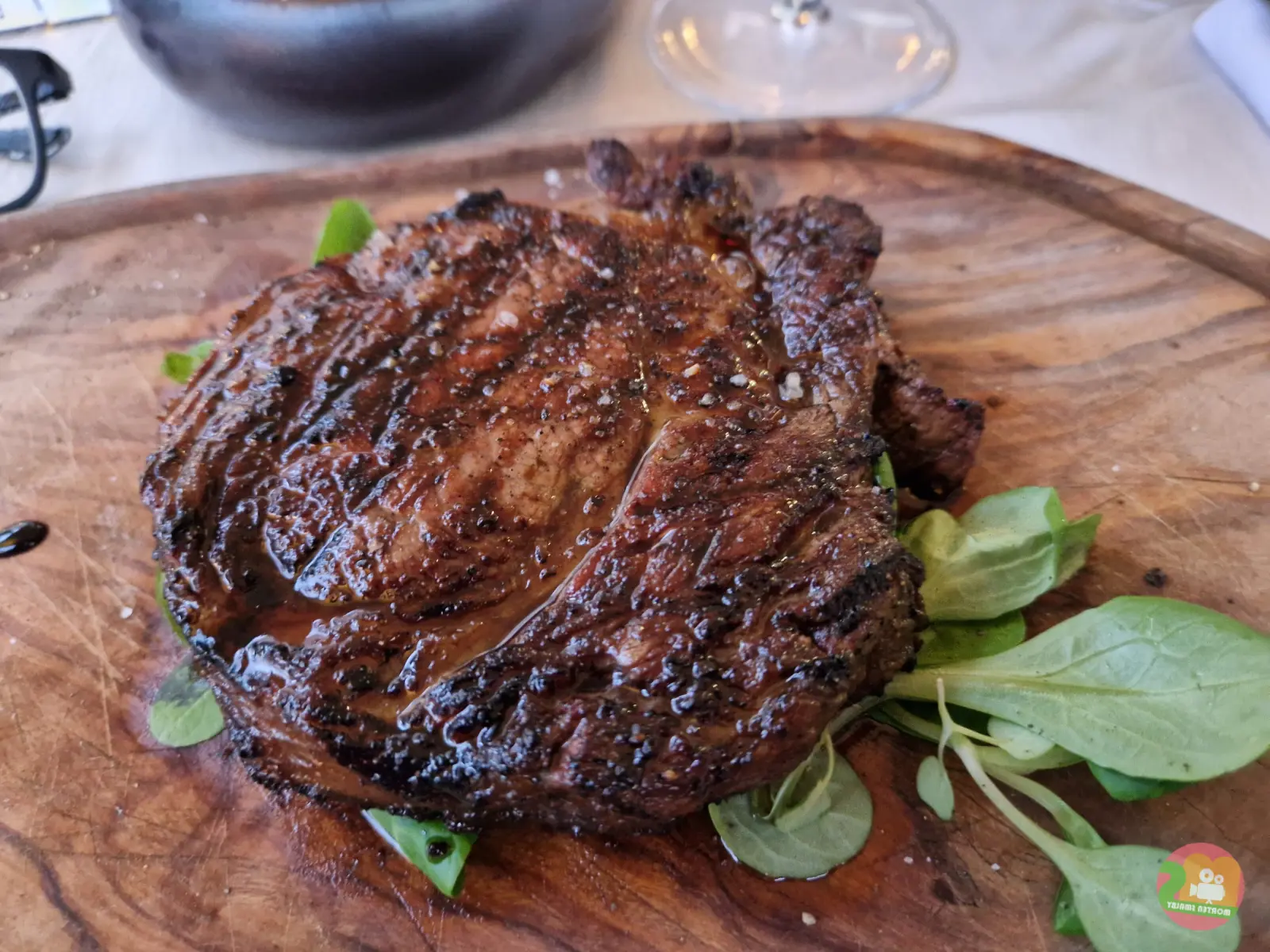
If you are just out to spend a cozy evening out, with reasonable food and drink prices, check out restaurants a bit further away from the old town.
When we first moved to Split, we could go out for a family meal for around 250 Kuna (€32)—that covered two adults and two small kids. These days, the bill for four adults is closer to €100. It’s definitely a steep increase, but to be fair, the quality of the food and the variety of restaurants have reached a completely different level. Dining out in Split has become a whole new experience.
Note: In Split, you have 4 food delivery apps available: Glovo, Wolt, Bolt, and Dobartek, the latter made by a local team. If you want to try out some local dishes, that is the app to go for.
🛒 Grocery Shopping
In Split, there are plenty of grocery stores—every neighbourhood has at least one small supermarket where you can find all the necessities.
When I compare the grocery prices in international shops like Interspar, I would estimate Split / Croatia is about 30% more expensive than Germany and 20% less expensive than Denmark.
Some might find grocery prices very expensive here when you shop in the small supermarket, which has higher prices than the larger supermarkets. On the Islands, prices are even higher. When I shop for groceries in Hvar town, it is 20% more expensive than in Split.
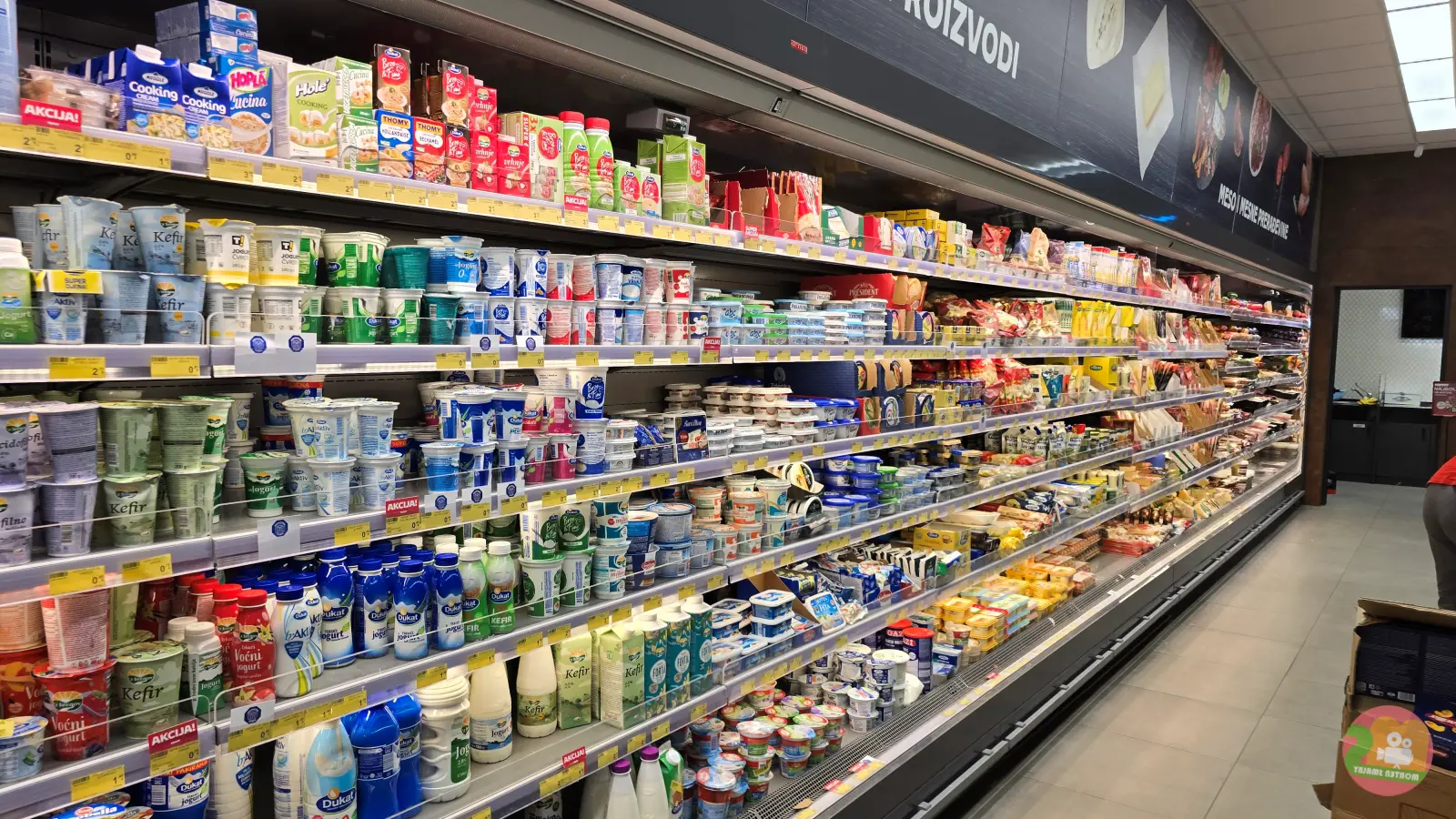
If you are on a budget, visit the larger supermarkets. We have several Lidl shops, 2 very large Kaufland supermarkets, 2 large Plodine supermarkets, one very large Konzum supermarket, 2 large Interspar supermarkets, and several large Tommy supermarkets, which all have reasonable prices. The thing with these supermarkets is that none of them is directly in the center.
BTW: Mall of Split, the largest shopping mall in town, has free buses running from the center, so something to consider.
Here is a map with the larger supermarkets and the malls in Split.
NOTE: On Glovo and Wolt food delivery apps, you can also order groceries.
🚌 Transportation
Getting around in Split is easy and cheap.
Promet Split operates city buses in Split and regional buses within a radius of approximately 30 km from Split. Buses run frequently and are in very good condition.
Tickets for the city and regional buses are very cheap; the ticket system is zone- and time-based. A ticket for the Split zone costs €2 if you buy it from the driver. Even better, download the Promet Split App – Android or IOS, where you can buy the ticket for only €1.
Here are some things you should know about the city and regional buses in Split.
- As mentioned, the ticket system is zone- and time-based. The ticket for the Split zone is valid for 60 minutes, during which you can travel back and forth, change bus lines, etc., within the 60-minute time limit.
- If you buy a ticket for more zones, the time limit increases.
- Tickets need to be validated (activated) on the bus. You can check out my Split Shopping video, where I show how this is done.
The Promet Split buses also drive to the airport; as I showed in my Split airport to Split video, you can travel with Promet Split from the airport to the center for as little as €1.50—unbeatable!
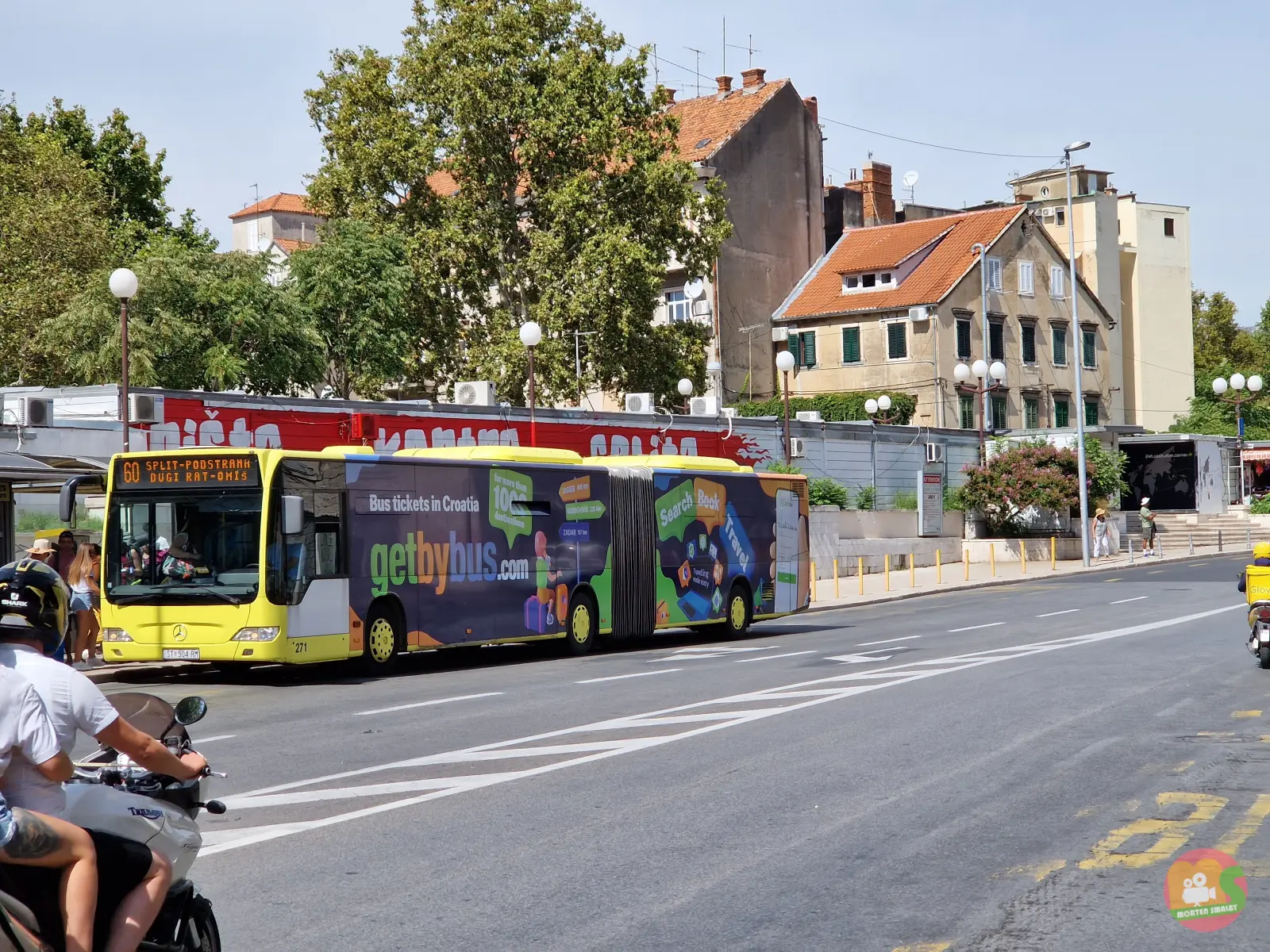
Promet Split has GPS tracking of their buses; unfortunately, you cannot see the tracking in the app, but only on their website.
As an alternative to the buses in Split, you have 3 taxi app services to choose between: Wizi, Bolt, and Uber. If you are not familiar with these types of apps, here is what you should know:
- For easy payment, add your credit card to the app, and it will automatically charge you for the fare.
- The apps should show you the prices of the trip before booking; the final price might be slightly different due to traffic.
- Prices in the app depend on supply and demand. For example, I live 5 km from the center of Split; in non-busy periods, I pay €7-8 for a trip to the center, in busy periods, the price can be double or more!
- You can pre-order trips in the app, e.g., for the next day.
- The apps often give you discounts if you refer another person; if you are more people, you benefit from that. 🤔
- Prices can vary in the apps, so I recommend installing more of them.
In addition to the two above options, you of course also have regular taxis, but I usually never use those.
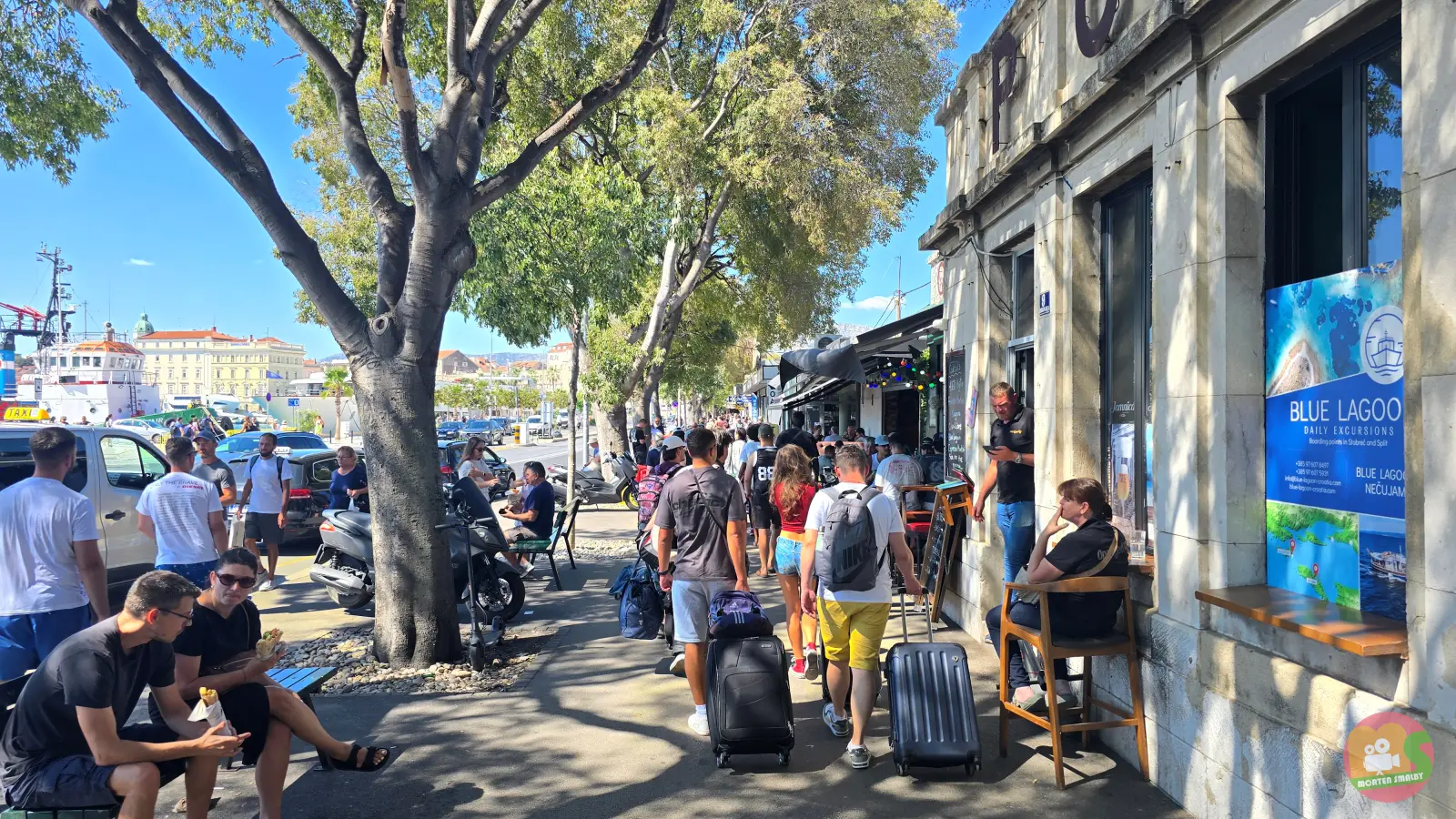
📍 Things to See & Do
Split offers a lot of experiences and stuff to see; some are free, others are paid.
Here are some of the free things I recommend in Split and the surrounding area.
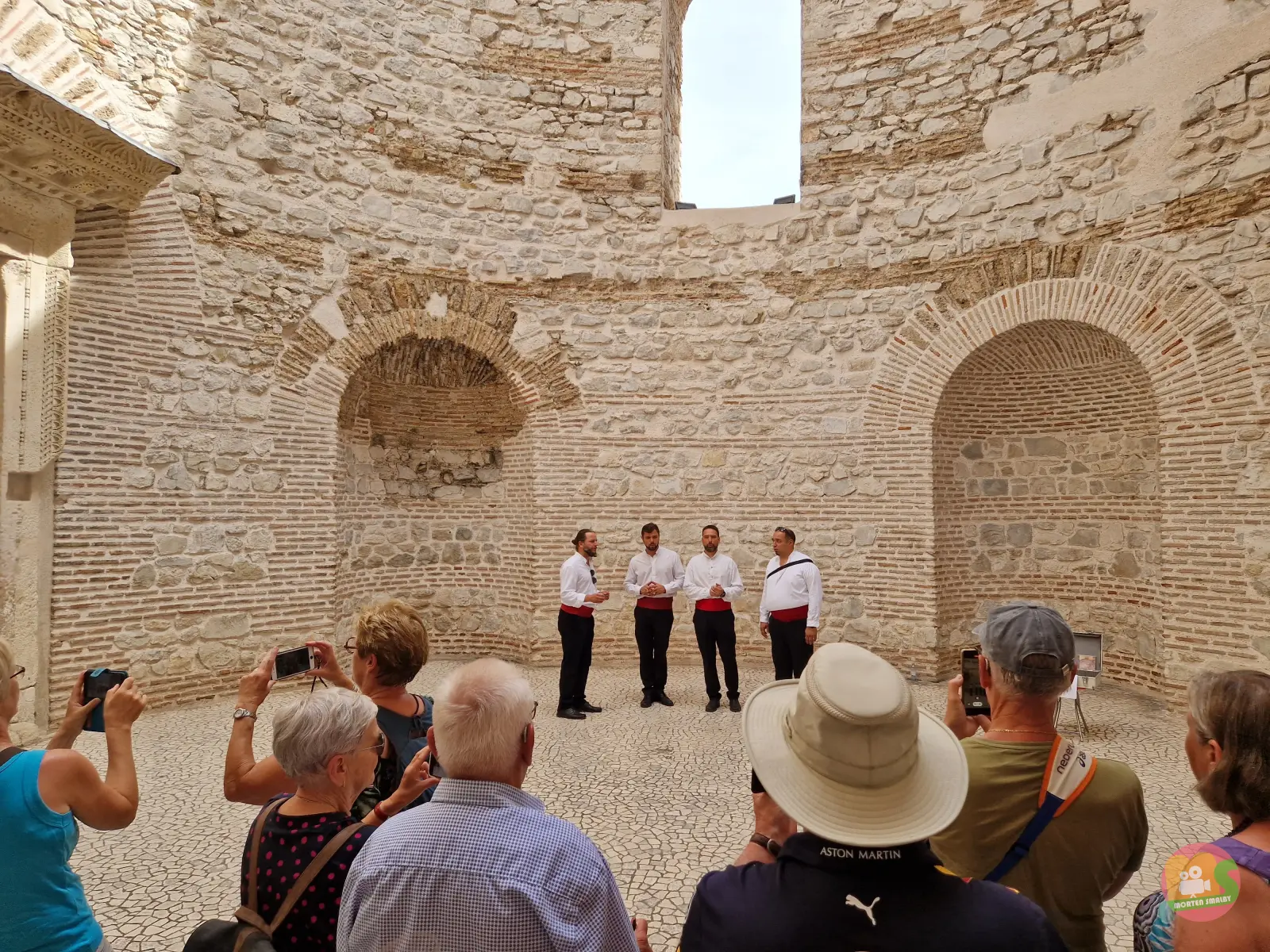
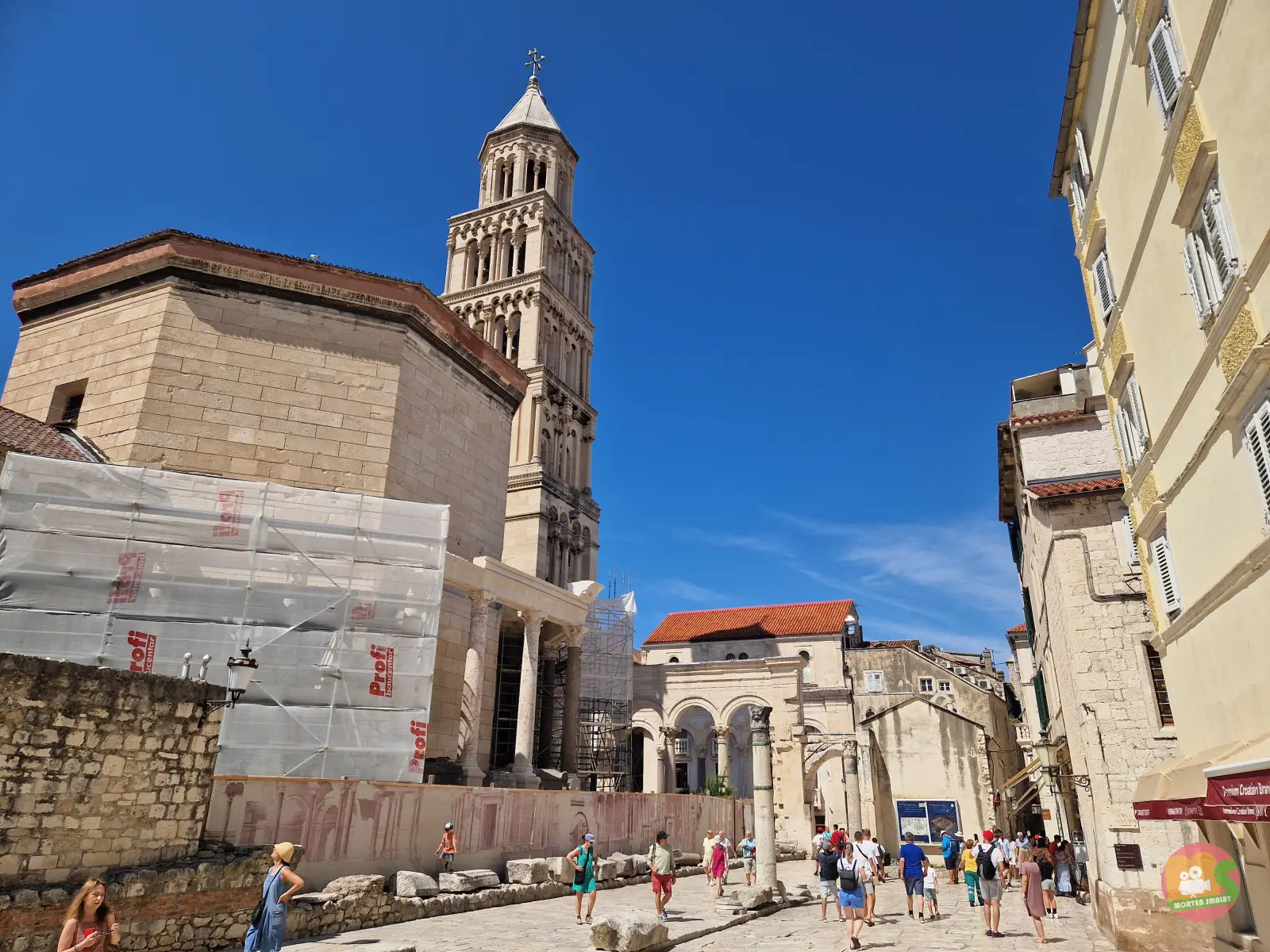
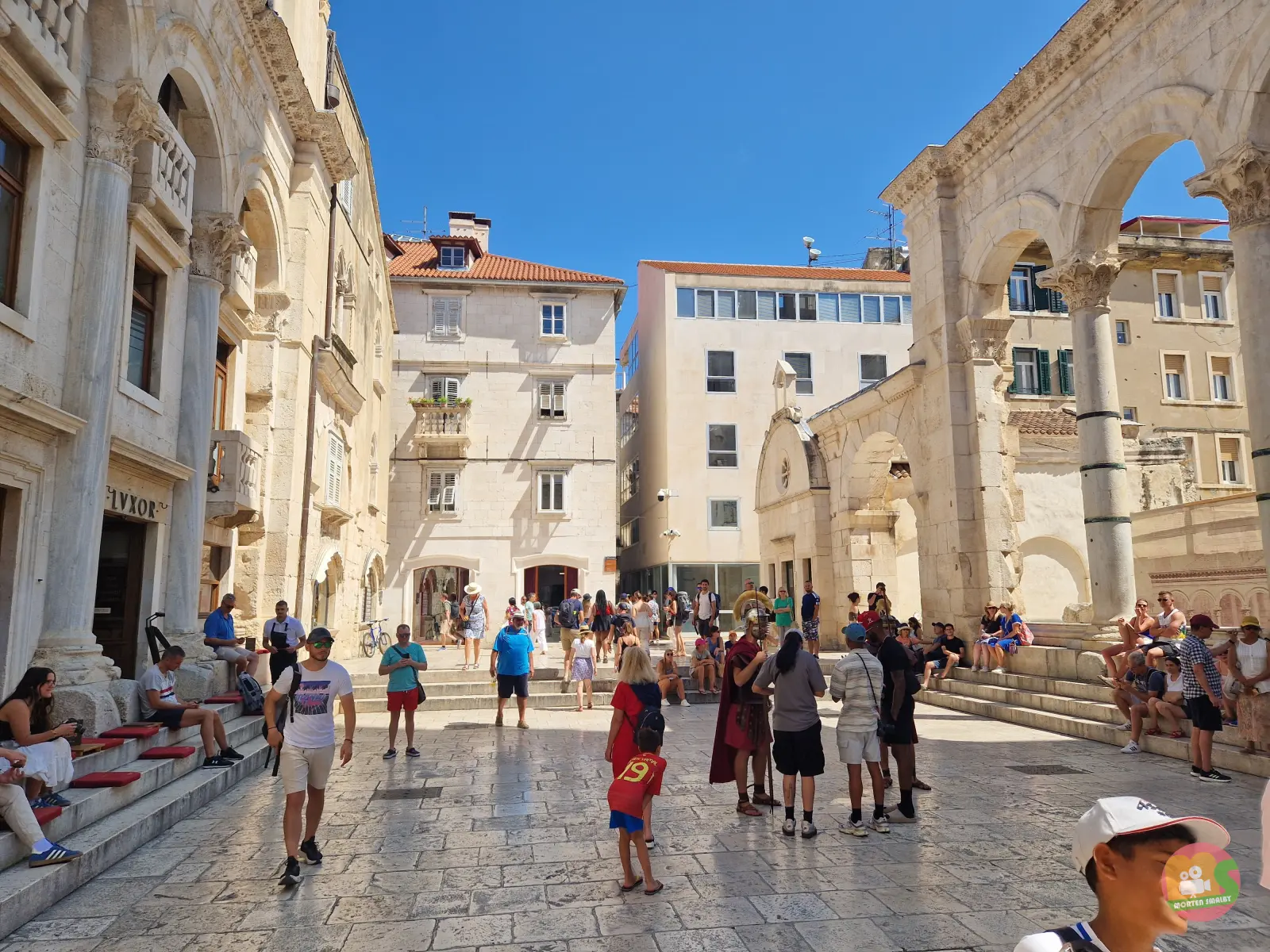
- A visit to the Diocletian Palace is an absolute top priority.
- A visit to the forest park Marjan; climb the Observation deck, visit the Telegrin viewing platform. Have coffee at Vidilica coffee bar overlooking Split and the port.
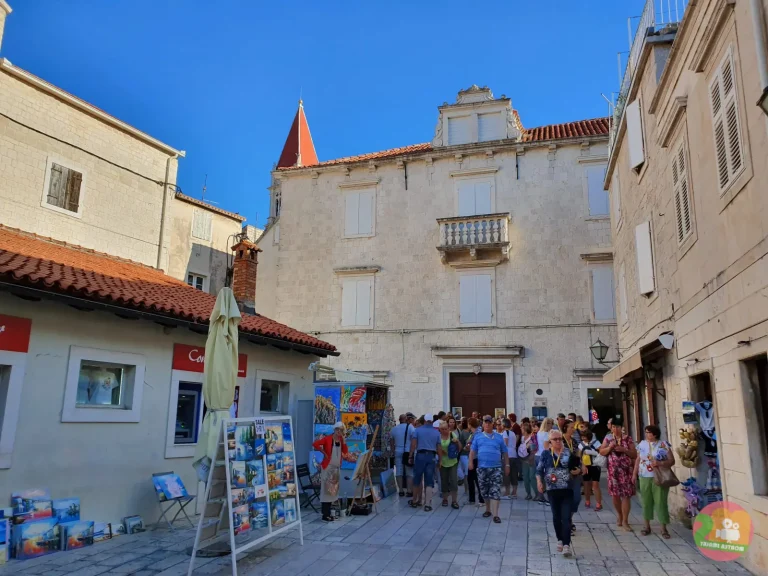
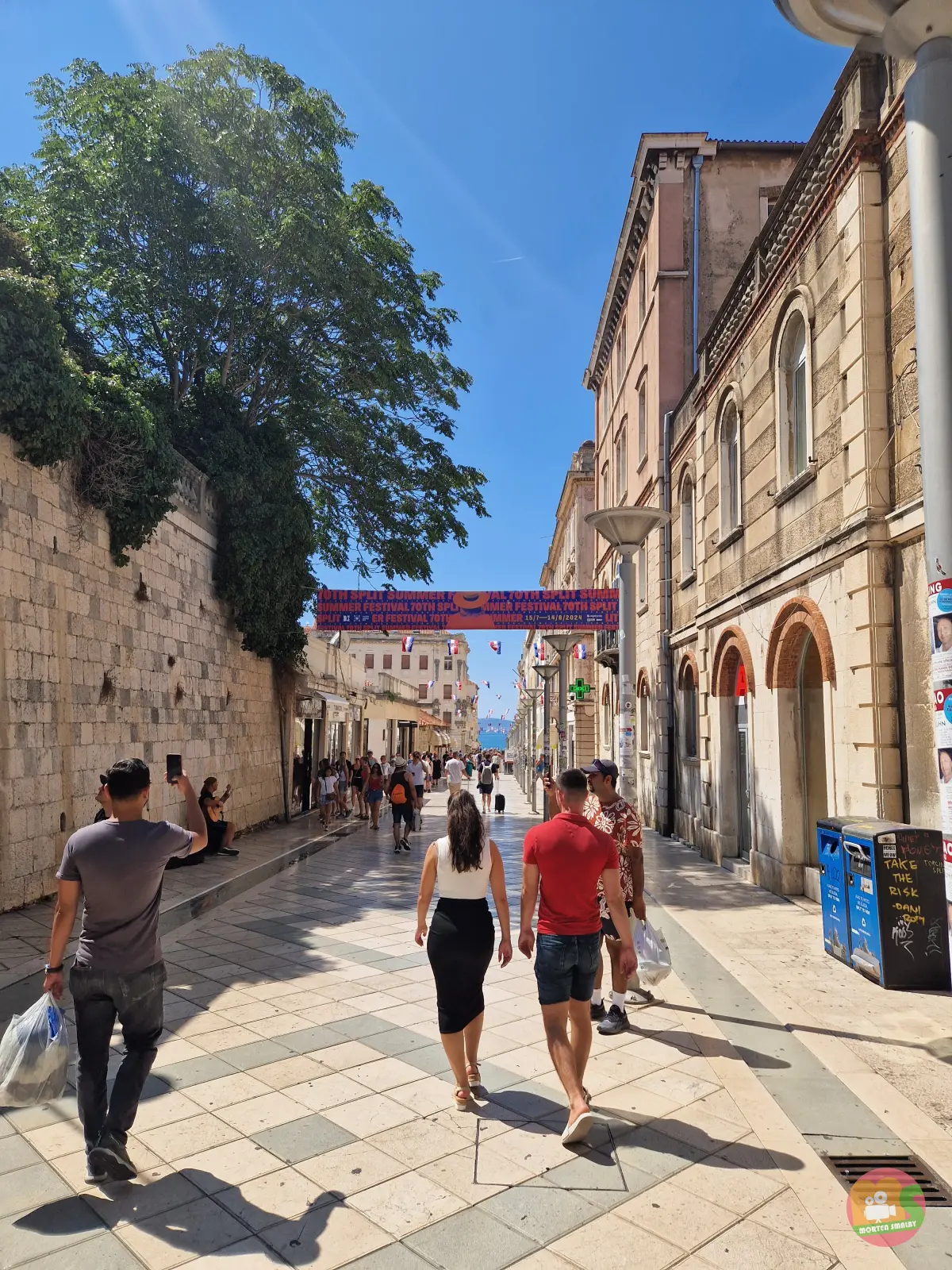
- Explore the old town in Split.
- If you like walking in nature, I can recommend:
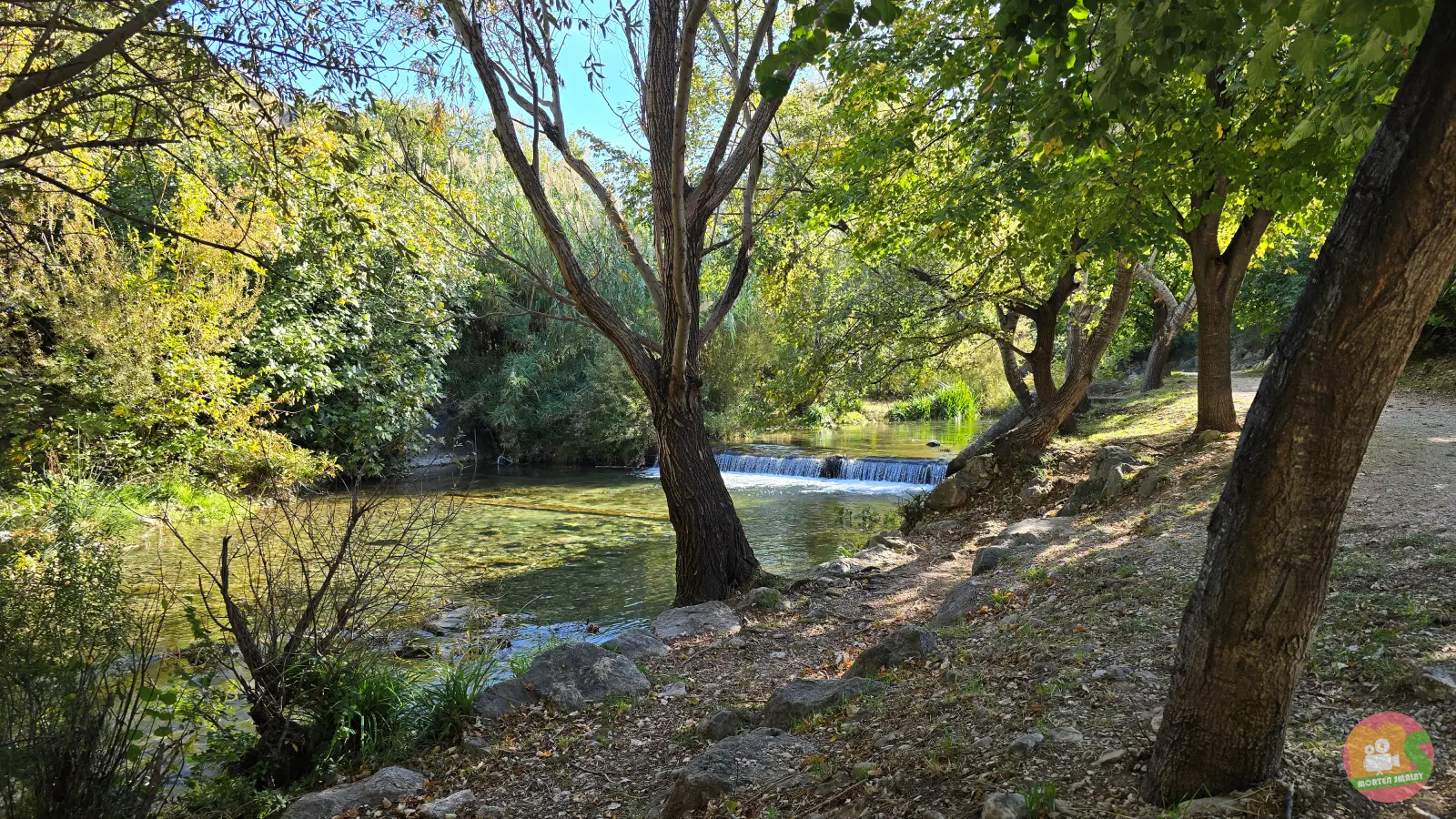
- A walk along the Žrnovnica River; starting from the estuary in Stobreč.
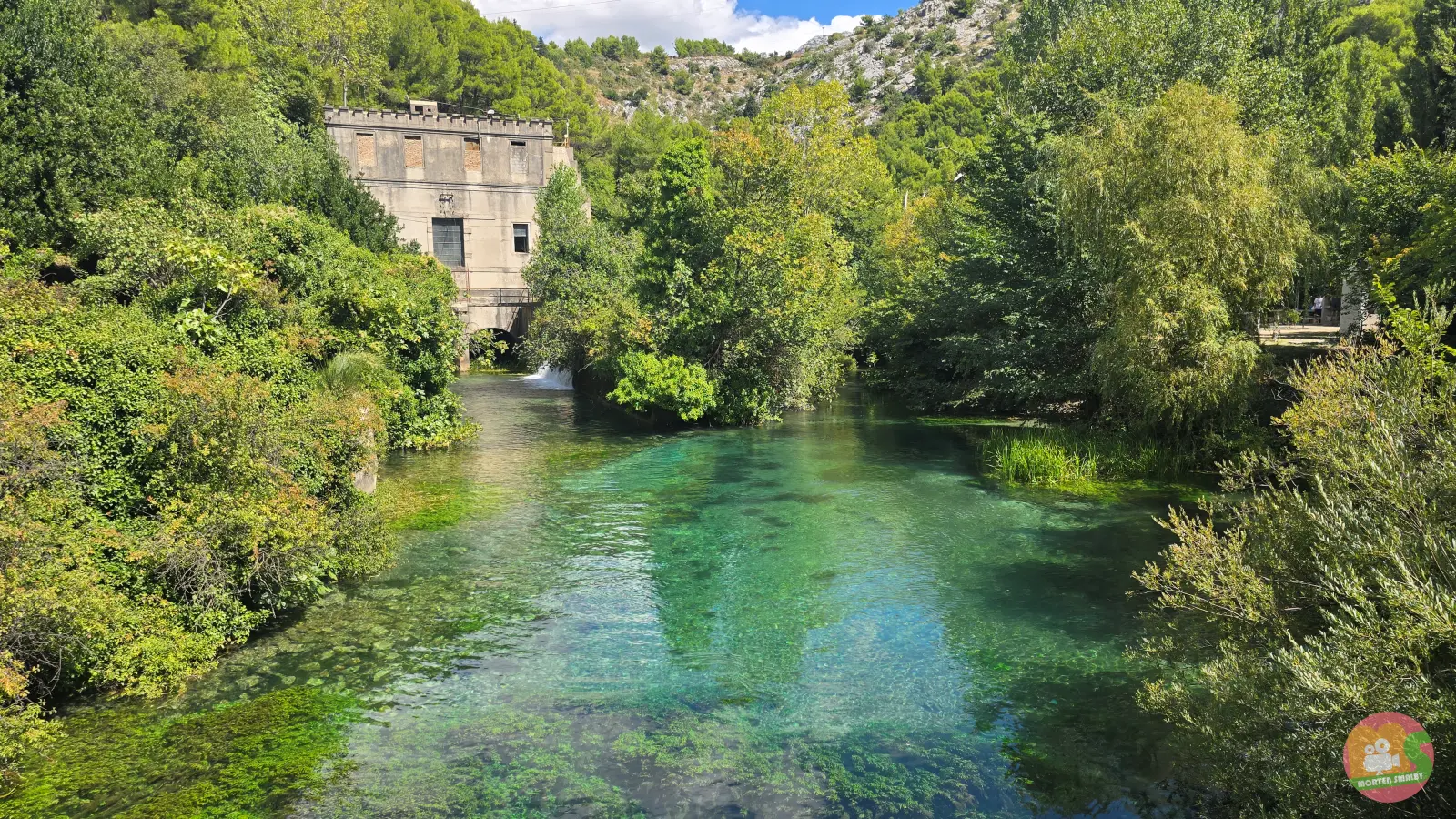
- A walk along the Jadro River starts from the Jadro excursion site in Solin.
- A walk along the coastline in Kaštela.
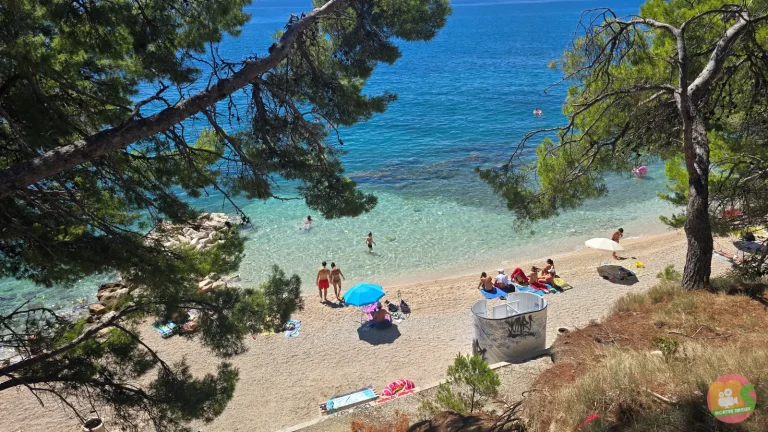
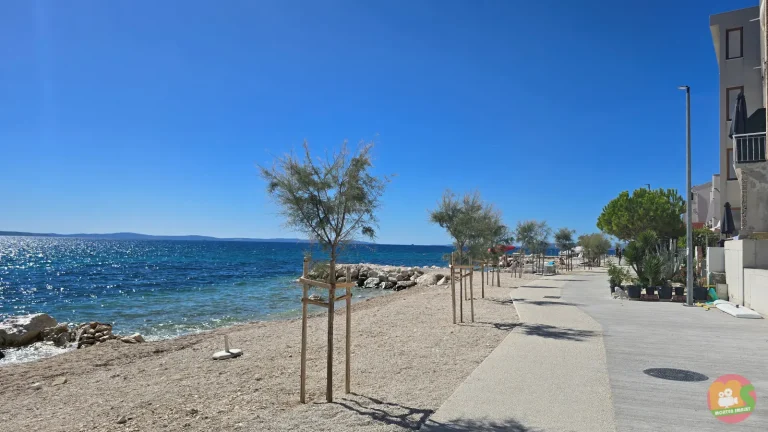
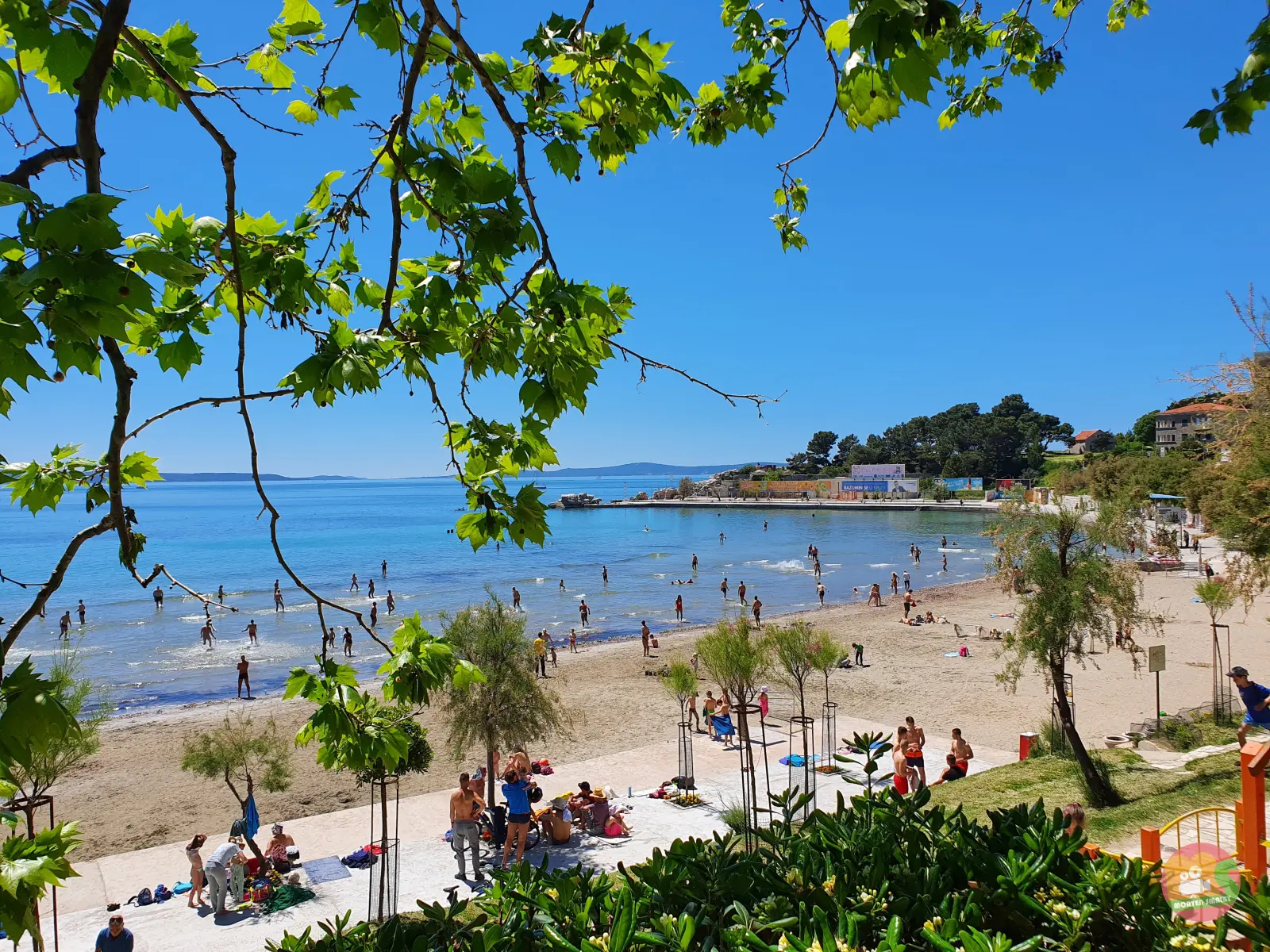
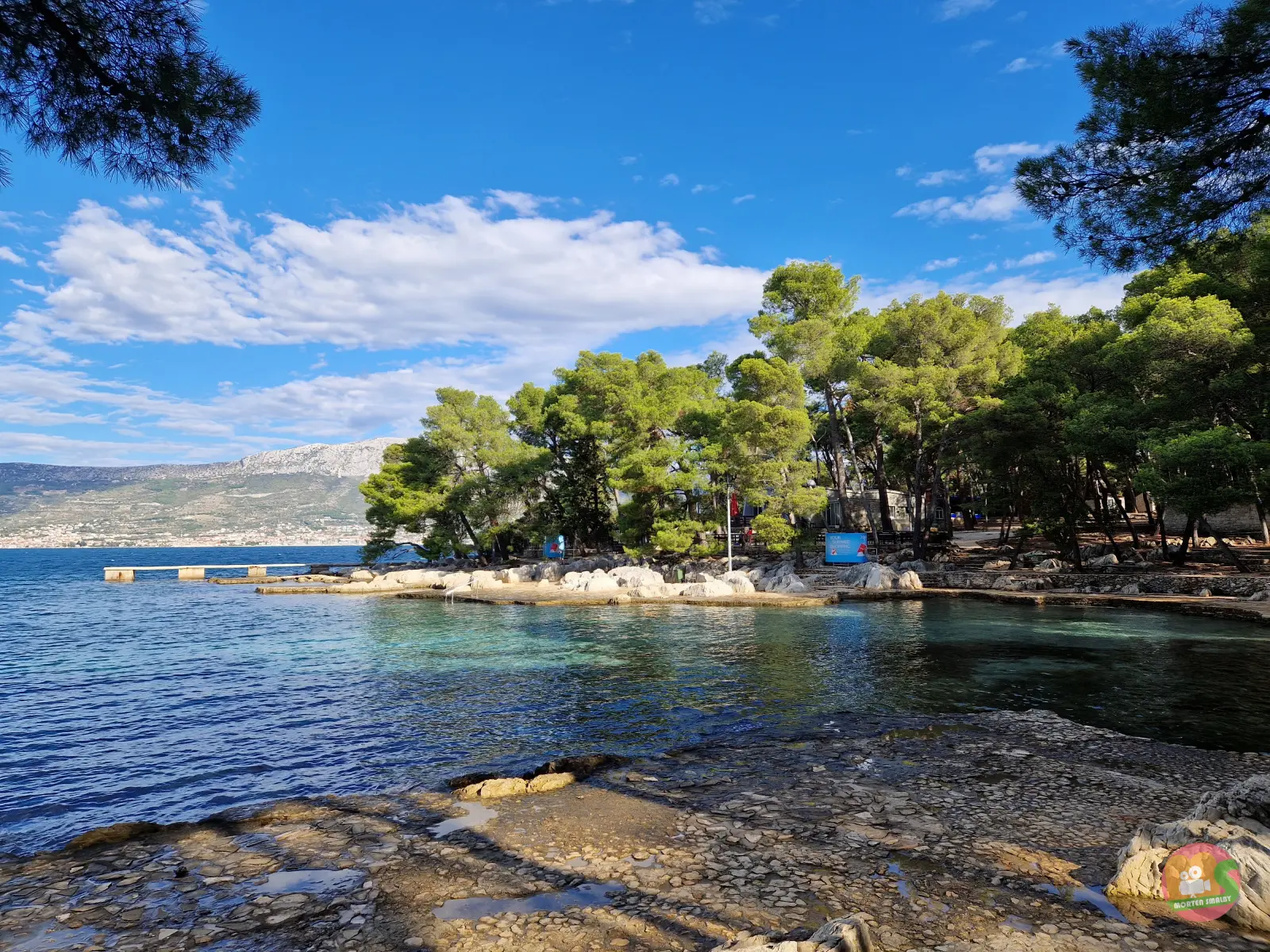
Spend a day on one of the many nice beaches we have in Split; you have more than 10 to choose from.
Sights to see with a fee, I would recommend:
- The Palace basement.
- The bell tower of the Sveti Duje Cathedral.
- Salona Ruins.
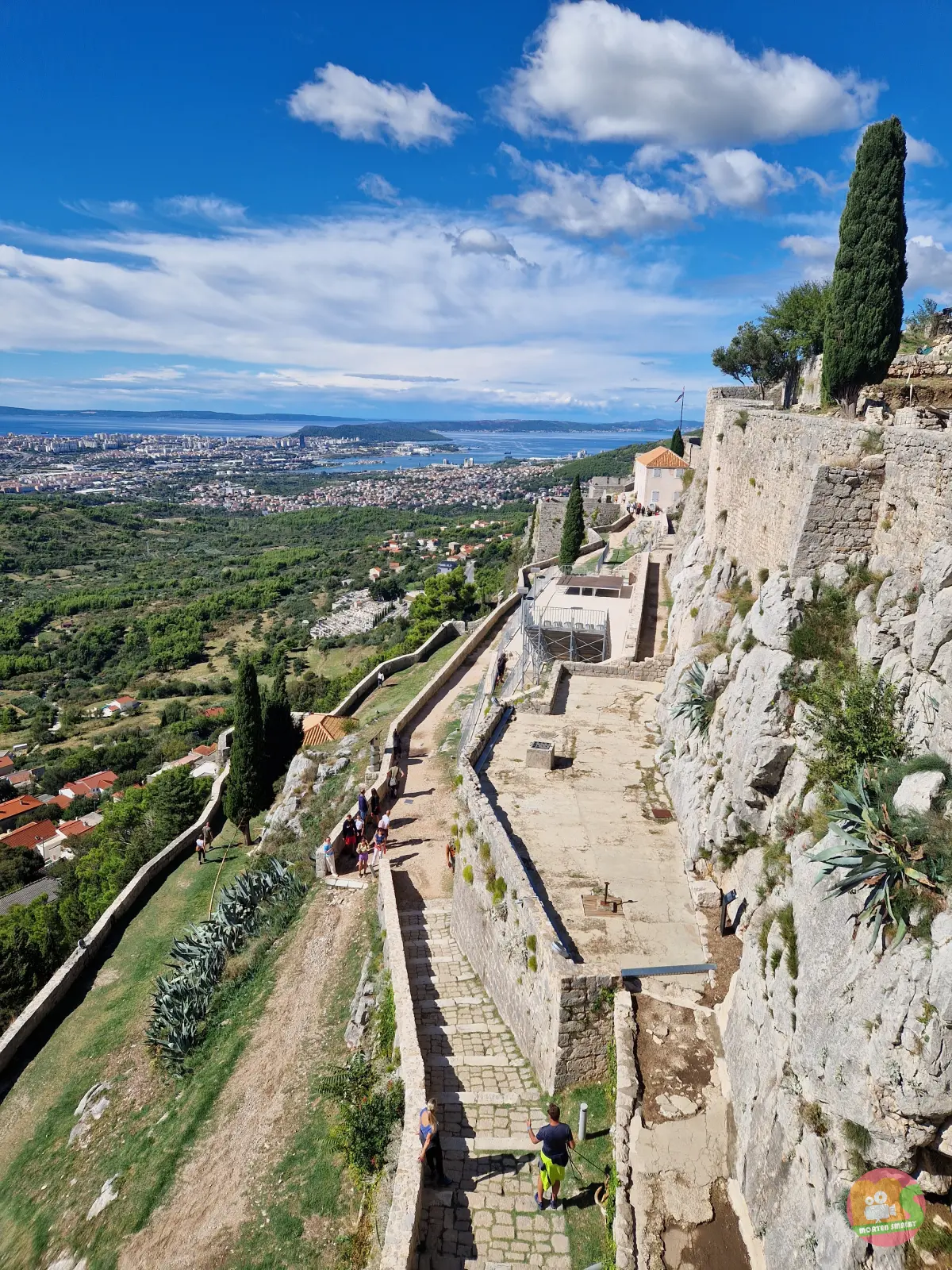
- Klis Fortress.
Activities/day trips I would recommend:
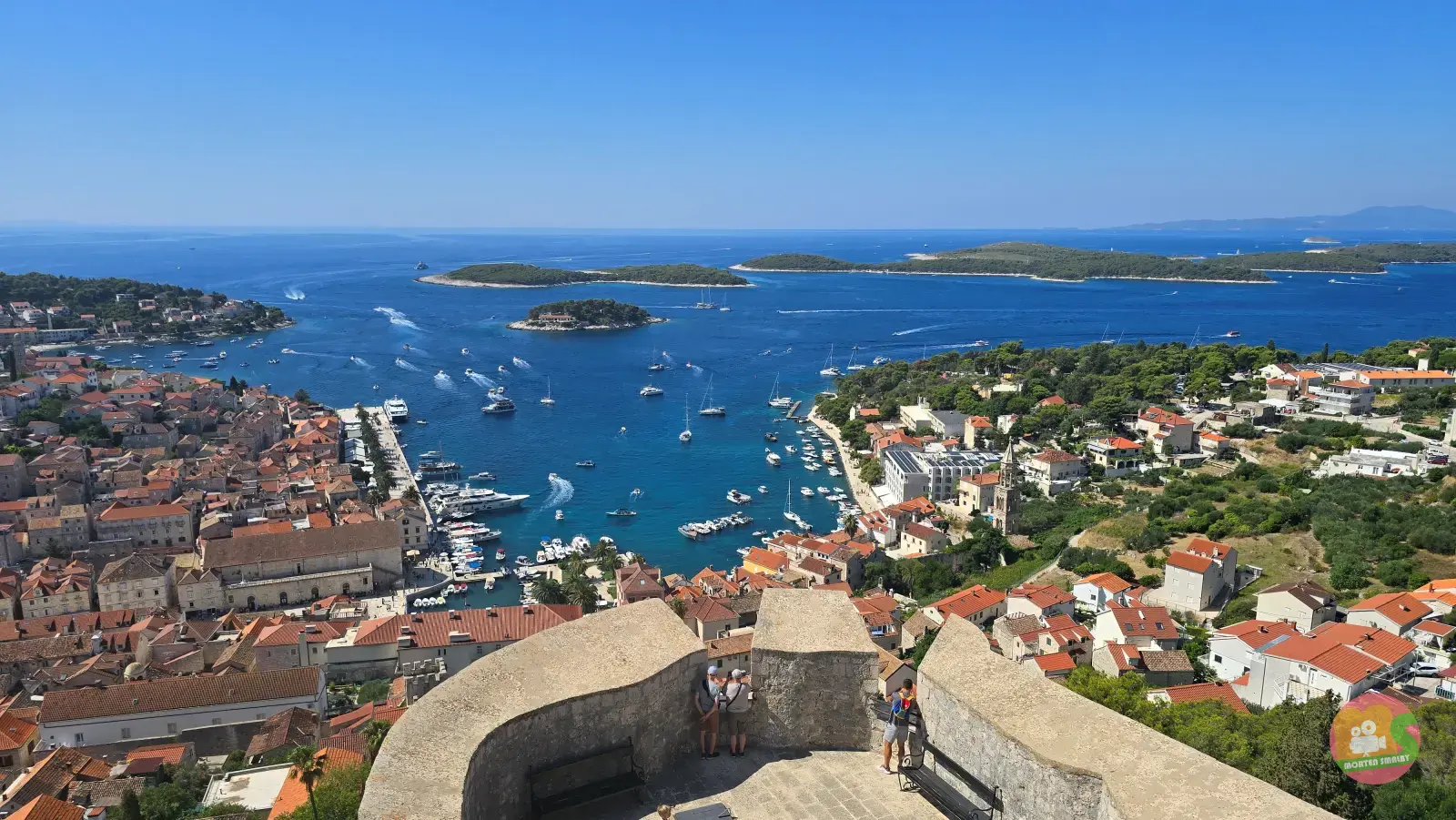
- Visit the Town of Hvar on a self-arranged day trip; alternatively, consider an organized blue cave and Hvar day trip.
- Rafting on the Cetina River in Omiš—suits all ages; after rafting, have lunch at Radmanove Mlinice.
- Visit Krka National Park; you can go by bus or join an organized trip.
- Join an organized trip to Kravice Waterfalls and Mostar in BiH.
- Take the Bura line to Trogir and have a stroll in the UNESCO-listed old town island. Travel back by bus.
- If you have teenagers, consider driving go-karts at Luda Baba—really fun!
There are, of course, many more options in the area of Split, so no matter your preference, you will for sure find suitable things to do.
FAQ Split
When is the ideal time of year to travel to Split?
May–June or September–October: Pleasant temperatures (20–28°C / 68–82°F), lighter crowds, and more affordable rates.
July–August: High season and temperatures (30°C+ / 86°F+), crowded beaches, and accommodation prices up 30–50%.
How many days should I spend in Split?
As a minimum, you should spend 2 full days in Split
Is Split expensive compared to other Croatian cities?
Split is more expensive than smaller coastal towns and the same price level as Dubrovnik and Zadar
Is it safe to visit Split?
Yes, Split is very Safe. Incidents involving tourists being harmed are scarce
Is Diocletian’s Palace worth visiting?
Yes, Diocletian’s Palace is something very unique and a must-see when visiting Split
What are the best day trips from Split?
The most popular daytrips from Split are to Hvar, Trogir, or the Krka National Park
Where are the best beaches near Split?
Split has many beaches, in fact, more than 10, including rocky, pebble, and sandy beaches. Beaches are within 3 km of the center of town; the closest beach to the center is Bacvice.
Which area of Split is best to stay in?
The most popular city parts are Grad (Old Town), Varoš, Bačvice, Meje, Lučac-Manuš, and Žnjan.
Are there any ferries from Split?
Yes, from the Split port, there are ferries to more than 20 destinations, the most popular being Hvar town, Bol, and Supetar.